Why Choose Sustainable Clothing Manufacturers for Your Business?
In recent years, the fashion industry has faced intense scrutiny over its environmental impact. The rise of ecological awareness has led many businesses to reconsider their sourcing practices. Sustainable Clothing Manufacturers are now at the forefront of this transformative movement. These manufacturers not only focus on eco-friendly materials but also prioritize ethical labor practices. By collaborating with them, businesses can enhance their credibility and resonate with conscious consumers.
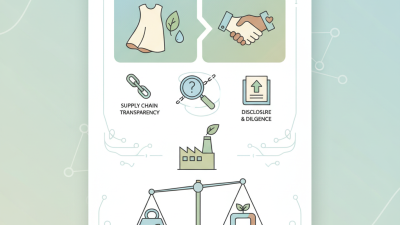
Choosing the right manufacturing partner can be a daunting task. The challenge lies in identifying truly sustainable practices versus greenwashing. Relying on Sustainable Clothing Manufacturers offers a way to navigate this complex landscape. These manufacturers are committed to transparency, ensuring every aspect of production aligns with sustainability standards. Their dedication helps businesses reduce their carbon footprint and contributes to a more sustainable future.
However, this path is not without its challenges. Sourcing sustainable materials can sometimes lead to higher costs. There may be limitations on product variety or availability as well. Nonetheless, the long-term benefits outweigh these short-term hurdles. Investing in sustainability not only meets consumer demand but also fosters innovation within the industry. Exploring partnerships with reliable Sustainable Clothing Manufacturers can drive meaningful change in business practices.

Benefits of Sustainable Clothing for Your Business
The rise of sustainable clothing has transformed the fashion industry. Many businesses are now recognizing the potential benefits of sourcing from sustainable clothing manufacturers. According to a McKinsey report, 67% of consumers are concerned about the environmental impact of their purchases. Moreover, 60% of shoppers are willing to pay more for sustainable products. This presents a unique opportunity for businesses to cater to a growing market segment while enhancing their brand's image.
In addition to consumer appeal, sustainable clothing manufacturers often use eco-friendly materials and ethical production practices. A 2021 Textile Exchange report indicates that organic cotton has seen a 15% increase in demand over the past year. This aligns with the shift towards transparency in the industry. Brands adopting such practices can enhance their credibility and build customer trust. However, it's essential to note that not all sustainable options are created equal. Companies must carefully evaluate their supply chains to avoid greenwashing, which can lead to reputational risks.
Sustainable clothing can also drive operational efficiencies. Many manufacturers focus on waste reduction, which positively impacts profitability. However, sourcing sustainable materials can sometimes lead to higher initial costs. This requires careful financial planning. Investing in sustainable practices is not just about immediate returns but fostering long-term benefits that resonate with conscious consumers. Balancing sustainability with cost-effectiveness remains a challenge in today’s competitive landscape.
Understanding Sustainable Clothing Manufacturing Processes
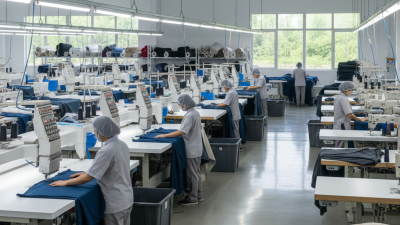
Sustainable clothing manufacturing involves processes that prioritize environmental impact and social responsibility. One key aspect is the use of eco-friendly materials. According to a report from the Global Sustainable Textile Coalition, organic cotton reduces water usage by up to 91% compared to conventional cotton. This shift not only conserves vital resources but also supports healthier ecosystems.
Additionally, manufacturers are adopting energy-efficient practices. The Sustainable Apparel Coalition found that brands could reduce their carbon footprint by as much as 30% with energy-saving technologies. This can involve upgrading machinery and optimizing production methods. However, not all manufacturers are equipped to implement these changes. Some remain in traditional practices due to cost constraints, leading to questions about genuine sustainability efforts.
Labor practices are also a vital part of sustainable manufacturing. Ethical treatment of workers ensures safer and fairer working conditions. Many companies still struggle with transparency in their supply chains. A 2021 report from Fashion Revolution revealed that only 44% of fashion brands disclose their suppliers. This lack of transparency can undermine the perceived efforts toward sustainability. Overall, while the industry has made strides, there remains much room for improvement in practices.
Key Factors to Consider When Choosing Sustainable Manufacturers
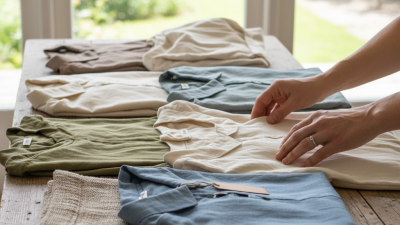
Choosing sustainable clothing manufacturers is crucial for a responsible business model. Key factors play an essential role in this decision-making process. One important aspect is the materials used. Check if the manufacturer sources organic cotton, recycled fibers, or other sustainable materials. This ensures your products have a lower environmental impact.
Another factor is labor practices. Investigate whether the manufacturer provides fair wages and safe working conditions. Ethical labor practices not only improve employee morale but also enhance your brand's reputation. Transparency in supply chains fosters trust. Look for manufacturers who openly share their practices and certifications.
Quality control is another consideration. Sustainable materials can behave differently than conventional ones. Ensure the manufacturer has a strong quality assurance process in place. Seek feedback from existing clients to gauge their experiences. Take time to reflect on your options. A thoughtful approach will lead to long-term benefits for your business and the environment.
Key Factors to Consider When Choosing Sustainable Clothing Manufacturers
| Factor |
Description |
Importance |
| Eco-friendly materials |
Use of organic, recycled, or renewable materials that reduce environmental impact. |
High |
| Ethical labor practices |
Ensuring fair wages, safe working conditions, and respect for workers' rights. |
High |
| Certifications |
Verified certifications such as GOTS, Fair Trade, and OEKO-TEX underline a manufacturer's sustainability efforts. |
Medium |
| Waste reduction initiatives |
Practices that minimize waste during production, including recycling and efficient resource use. |
High |
| Transparency |
Openness about sourcing, manufacturing processes, and supply chain practices. |
High |
| Product durability |
Focus on the lifespan of products to reduce consumption and waste. |
Medium |
Economic Advantages of Partnering with Eco-Friendly Brands
Sustainable clothing manufacturers offer significant economic advantages for businesses. Partnering with eco-friendly brands can enhance your brand's reputation. Consumers are increasingly drawn to companies that prioritize environmental responsibility. This shift in consumer behavior leads to higher sales and customer loyalty.
A focus on sustainable practices can also reduce costs in the long run. For instance, using organic materials may have lower water and energy requirements. This reduction in resource consumption can lead to substantial savings over time. Additionally, many sustainable brands offer innovative solutions that can streamline production efficiency.
Tips: Consider investing in training for your team on sustainable practices. This knowledge can improve product quality and efficiency. Evaluate the supply chain for areas that need improvement. Transparency is key; customers appreciate knowing their products are ethically made. Emphasizing sustainability may not be easy, but it can yield significant returns. Your commitment to eco-friendly practices sets a powerful precedent in today’s market.
Building Consumer Trust Through Sustainable Practices
Consumers increasingly seek brands that prioritize sustainability. A recent survey by Nielsen revealed that 66% of global consumers are willing to pay more for sustainable products. This growing trend highlights the importance of building trust through sustainable practices. Companies that focus on ethical manufacturing can enhance their brand image effectively.
Sustainable clothing manufacturers often employ eco-friendly materials and transparent practices. This accountability resonates with environmentally-conscious shoppers. According to a report by McKinsey, 75% of younger consumers consider sustainability when making purchases. Thus, businesses that partner with these manufacturers can tap into a loyal customer base. However, it is essential to acknowledge that the journey towards sustainability is not perfect. Brands may face challenges in ensuring supply chain transparency or dealing with higher production costs.
As authenticity remains key, businesses must communicate their sustainable efforts clearly. Customers value genuine stories about how products are made. A study found that 78% of consumers prefer brands that share their sustainability journey. By incorporating sustainable practices, companies can foster consumer trust and loyalty. Yet, the challenges that accompany this transition highlight an ongoing need for innovation and improvement.