Must Know Tips for Finding High Quality Clothing Manufacturers?
Finding high quality clothing manufacturers is a critical step for any fashion business. The right manufacturer can make or break your brand. With so many options available, it’s essential to know how to identify those that prioritize quality and craftsmanship.
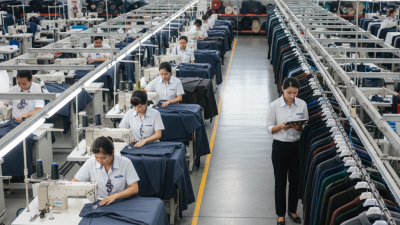
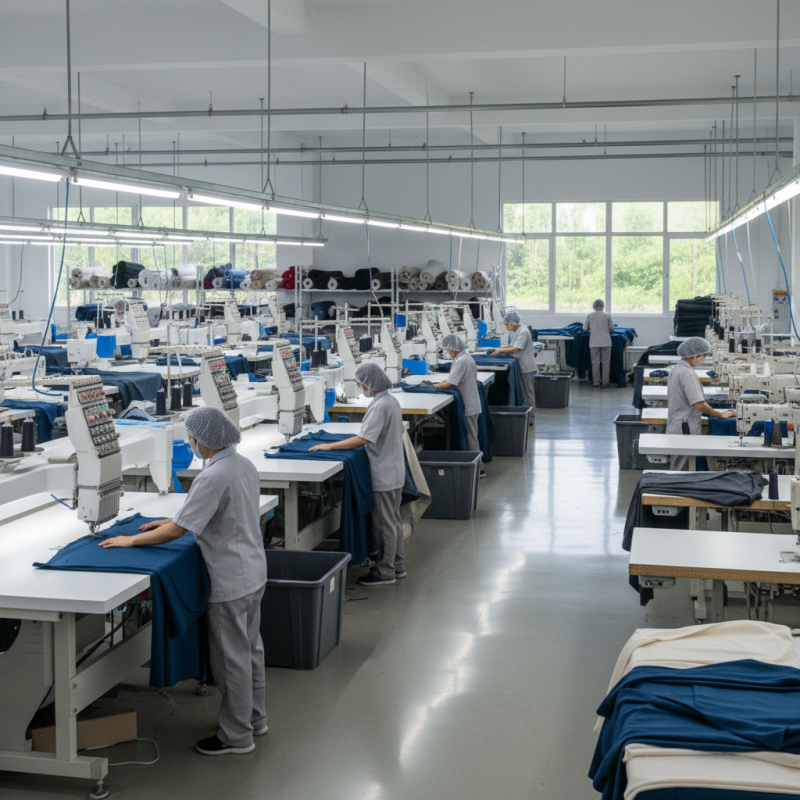
Begin by researching potential manufacturers thoroughly. Look for reviews and testimonials from other businesses. Past performance can reveal much about their reliability. Visiting production facilities, if possible, provides valuable insights into their operations. Focus on aspects such as equipment, workforce skills, and attention to detail.
Remember that high quality clothing manufacturers are not just about low prices. They may require a higher investment, but the benefits often outweigh the costs. Poor quality products can damage your brand’s reputation. Be ready to ask tough questions and reflect on your standards. Balancing cost with quality is a constant challenge, but it’s vital for lasting success.
Understanding Your Clothing Manufacturing Needs
When understanding your clothing manufacturing needs, begin by defining your target market. Identify the styles and demographics that resonate with your audience. Dive deep into current fashion trends and consumer preferences. This knowledge will guide your manufacturer selection process.
Next, consider the materials and production methods. Different fabrics require specific manufacturing expertise. For instance, organic cotton may need a different approach than synthetic blends. Determine the quantity you need; some manufacturers specialize in small batches, while others excel in large-scale production. Be transparent about your expectations regarding quality and delivery timelines.
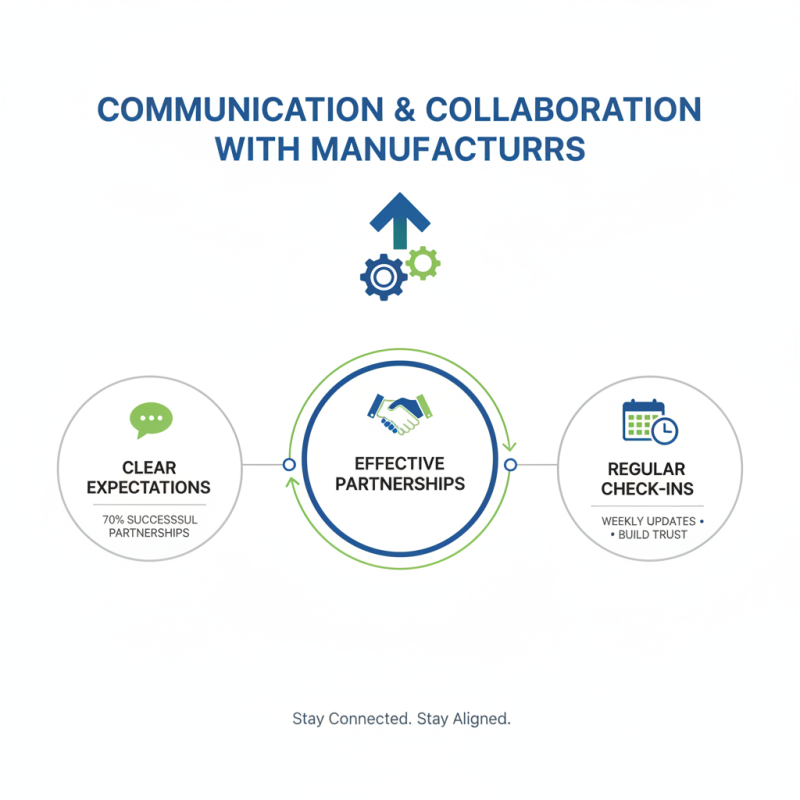
Keep in mind that communication is crucial. Finding the right manufacturer is not just about price. Build a strong relationship through open dialogue. A reliable manufacturer should understand your vision and concerns. Yet, be ready for challenges. Manufacturing logistics can be unpredictable. It’s essential to stay flexible and adaptable. Reflect on your experiences to refine your approach and improve future collaborations.
Researching Potential Clothing Manufacturers
When researching potential clothing manufacturers, it's essential to gather accurate and insightful information. Start by identifying your specific needs. This includes fabric types, production volume, and design complexity. Visiting manufacturers when possible gives you a firsthand look at their operations. This can help you judge quality and capability.
Look for manufacturers with a strong track record. Examine reviews and feedback from previous clients. Having an open dialogue is crucial. Ask detailed questions about their processes and quality control measures. A responsive manufacturer shows commitment to their partners. It’s helpful to request samples. This ensures the product meets your standards before placing larger orders.
Don’t overlook smaller manufacturers. They might offer personalized services that larger companies can’t. Ensure you understand the minimum order requirements, as these can vary widely. Reflect on your own expectations and be clear about your quality standards. This self-awareness helps in forming reliable partnerships.
Must Know Tips for Finding High Quality Clothing Manufacturers
This bar chart illustrates the importance of various factors when searching for high-quality clothing manufacturers. Each factor is rated on a scale from 1 to 10, indicating its significance in the selection process.
Evaluating Quality Standards and Certifications
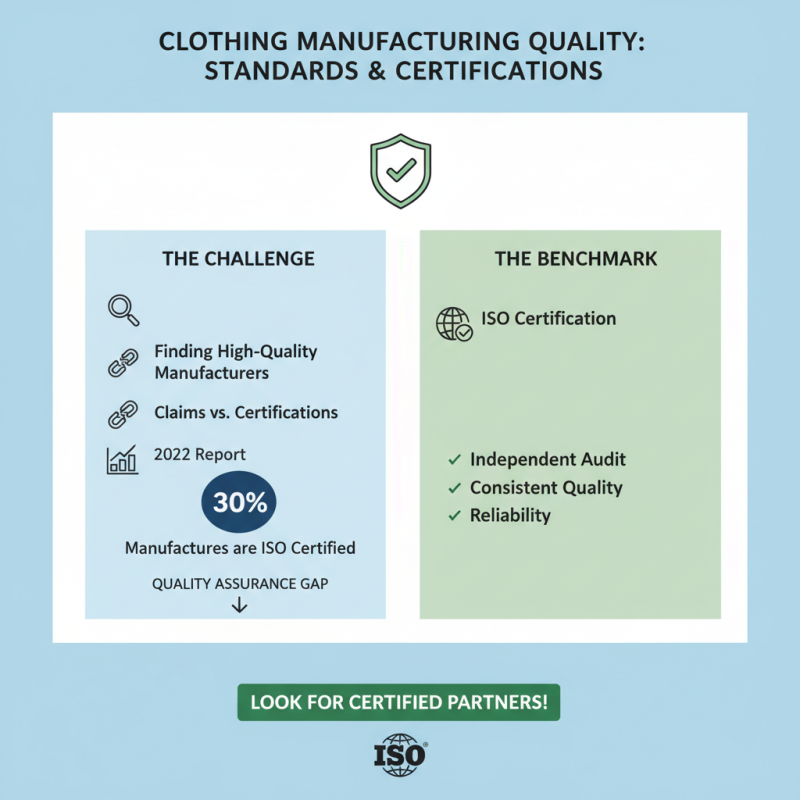
When searching for high-quality clothing manufacturers, evaluating their quality standards is crucial. Many manufacturers claim to adhere to industry standards, but not all can back it up with certifications. Organizations like ISO (International Organization for Standardization) provide a valuable benchmark. According to a 2022 report, only 30% of surveyed manufacturers held ISO certifications. This indicates a gap in quality assurance that potential partners should consider.
Certifications reflect a manufacturer's commitment to quality. The Global Organic Textile Standard (GOTS) is another recognized certification for sustainable practices. With increasing consumer demand for sustainability, partnerships with GOTS-certified manufacturers could enhance brand image. Data shows that 66% of consumers prefer sustainable brands. However, the process to obtain certifications can be complex. Manufacturers may experience delays or costs that impact their ability to remain competitive.
It’s essential to visit the production facilities to assess quality firsthand. Photos and documents can be misleading. Engaging with factory employees provides deeper insights into working conditions and manufacturing practices. Establishing clear quality expectations upfront can mitigate risks. Remember, transparency is vital. Ensure your manufacturers provide reports on quality checks and any issues resolved. These factors can guide you in selecting a reliable partner while navigating the complexities of the industry.
Assessing Cost and Production Timeline Factors
When assessing cost and production timelines with potential clothing manufacturers, clarity is crucial. A 2022 report by the Textile World showed that production time can vary significantly. Some manufacturers need just two weeks, while others may take up to 12 weeks. This variability can impact inventory planning significantly.
Cost factors are equally important. According to a survey from the Apparel Industry Association, 58% of brands noted that hidden fees from manufacturers could inflate costs by up to 20%. This often occurs with unexpected expenses during shipping or production adjustments. It’s vital to obtain a detailed breakdown of costs upfront.
Negotiating timeline expectations is a delicate balance. Many manufacturers promise quick turnaround times. Yet, in practice, delays arise due to material shortages or labor issues. A factory’s production capacity may be misrepresented, leading brands to reassess their timelines frequently. Establish open communication and consider a trial order before committing fully.