10 Essential Tips to Design Your Own Clothing Line Successfuly
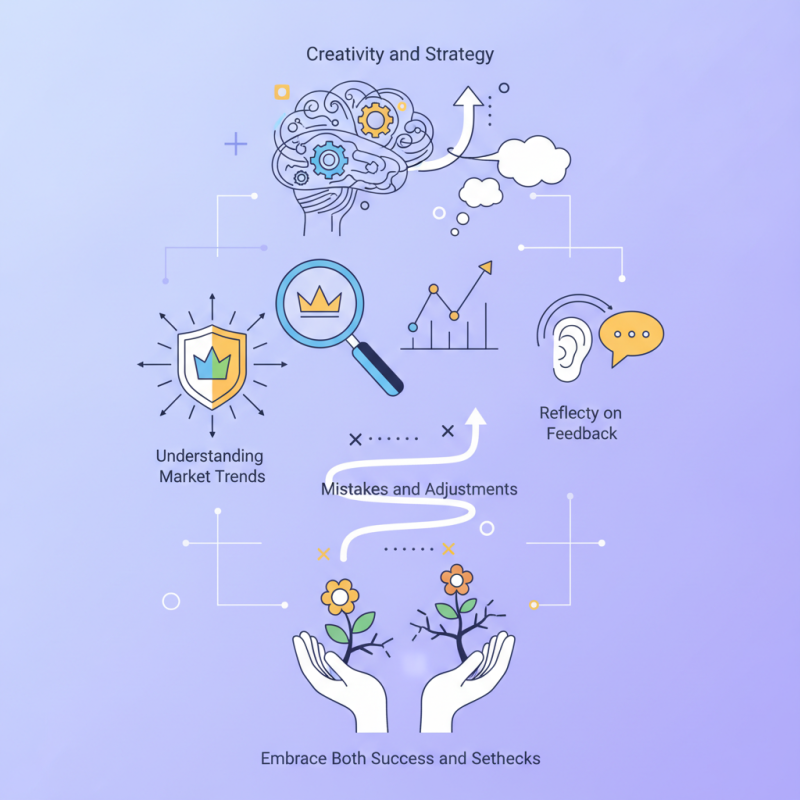
Designing your own clothing line can be an exciting yet challenging journey. Expert designer Emily Chen, known for her innovative approach, emphasizes, "Creativity and strategy must go hand in hand." This advice is crucial in the highly competitive fashion industry.
To successfully navigate this landscape, aspiring designers need to blend passion with practical skills. Understanding the market trends is essential. Many newcomers often overlook the importance of branding. A strong brand identity can differentiate your line from the myriad of options available.
Mistakes are part of the process. Designers may find that their initial ideas don’t resonate as expected. This realization can lead to important adjustments. Reflecting on feedback can guide creativity and innovation. In essence, to truly thrive in the "Design Your Own Clothing Line" space, one must embrace both success and setbacks.
Creating a Clear Vision for Your Clothing Line
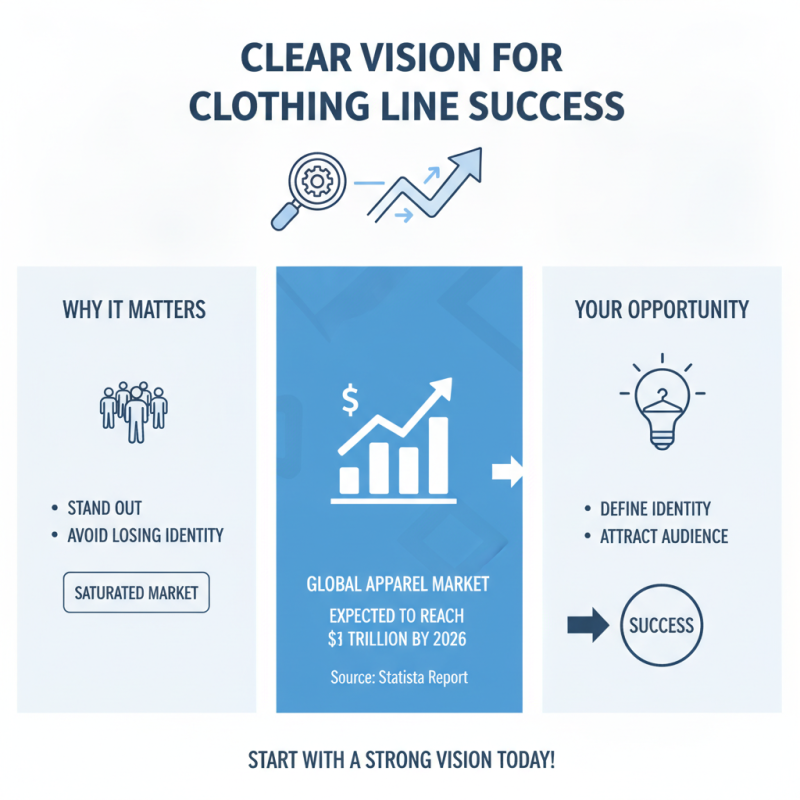
Creating a clear vision for your clothing line is crucial for its success. A well-defined vision helps you stand out in a saturated market. According to a report by Statista, the global apparel market is expected to reach $2 trillion by 2026. This potential indicates both opportunity and competition. Without a strong vision, it's easy to lose your identity and target audience.
Start by identifying your niche. Who are your customers? What gaps exist in the current market? These questions guide your decisions. For instance, focusing on sustainable fashion can attract eco-conscious shoppers. Research suggests that 67% of consumers prefer brands that are environmentally friendly.
Another tip is to remain flexible. Your initial vision might evolve based on trends or customer feedback. This adaptability can improve your designs and business model. Track sales and reviews consistently; they provide insights into your audience's preferences. Remember, a successful clothing line is not just about creativity. It's about meeting real needs while maintaining your unique identity.
Identifying Your Target Audience and Market Trends
Understanding your target audience is critical when designing a clothing line. Start by creating detailed buyer personas. Consider age, gender, lifestyle, and income level. What do they wear? What influencers do they follow? These insights shape your designs. Collect data through surveys, social media interactions, and market research.
Market trends also play a significant role in your design process. Stay updated on fashion weeks and trade shows. Notice what colors, fabrics, and styles dominate the season. However, don't follow trends blindly. Interpret them through your unique lens. Experimenting is essential, but reflect on whether it aligns with your brand identity.
Navigating between audience preferences and market trends can be challenging. It's a balance of staying true to your vision while being adaptable. Monitor feedback continuously to refine your approach. Remember, not every design will resonate with your audience. Embrace this uncertainty for growth and innovation.
Developing Unique Designs and Brand Identity
Creating a unique clothing line starts with a strong brand identity. According to a report by Statista, 88% of consumers prioritize brand recognition when choosing products. A well-defined identity makes a significant difference. Consider how your designs speak to your target audience's values and lifestyle. Develop visuals that resonate and create a memorable experience.
Focus on building a narrative around your clothing. Craft a story that relates to your designs, values, and mission. Research shows that brands with a compelling story can increase customer loyalty by up to 30%. This connection helps consumers feel emotionally invested. However, remember that clarity is key. An over-complicated narrative might confuse potential customers.
Designing unique pieces is crucial, but it’s not just about being different. Quality matters. A 2023 study revealed that 70% of consumers are willing to pay more for sustainable and ethically made garments. Reflect on how your designs can meet this expectation. Balancing creativity with quality can be challenging, but it’s essential for long-term success. Emphasize authenticity while allowing room for growth.
Sales Growth of a Clothing Line Over 6 Months
Building an Effective Business Plan and Budget
Creating a successful clothing line requires a solid business plan and a realistic budget. Start by defining your target market. Are you designing activewear, streetwear, or formal attire? Understanding your audience influences every decision. Research trends and preferences to ensure your designs resonate with potential customers.
Next, outline your financial projections. Calculate initial costs, including materials and labor. Remember to account for unexpected expenses. Setting aside a buffer can protect you from unforeseen challenges. Find reliable suppliers for fabric and manufacturing. Relationships with vendors can make or break your budget. Don't overlook marketing expenses, as they are crucial for visibility.
Contemplate your pricing strategy. Are you positioning your line as luxury or budget-friendly? This decision affects your materials, marketing, and sales. Adjusting your plan may be necessary as you gather feedback. Keep refining as you learn what works and what doesn't. Embrace mistakes as learning opportunities. Be open to change while staying true to your vision.
10 Essential Tips to Design Your Own Clothing Line Successfully - Building an Effective Business Plan and Budget
| Tip No. |
Tip |
Description |
Estimated Costs ($) |
| 1 |
Market Research |
Understand your target audience and trends. |
500 |
| 2 |
Business Plan |
Create a detailed business plan outlining goals. |
300 |
| 3 |
Budgeting |
Allocate funds for production, marketing, and more. |
1000 |
| 4 |
Design Identity |
Develop a unique design aesthetic for your brand. |
800 |
| 5 |
Sourcing Materials |
Find reliable suppliers for quality materials. |
1500 |
| 6 |
Production Planning |
Outline production steps and timelines. |
2000 |
| 7 |
Marketing Strategy |
Develop a plan to promote your clothing line. |
1200 |
| 8 |
Online Presence |
Create a website and social media accounts. |
700 |
| 9 |
Networking |
Build connections within the fashion industry. |
300 |
| 10 |
Feedback Loop |
Gather customer feedback to improve products. |
400 |
Establishing Distribution Channels and Marketing Strategies
Establishing distribution channels and marketing strategies are crucial for your clothing line's success. Research indicates that 70% of new brands fail due to poor market penetration. Designers must choose the right platforms to reach their audience. E-commerce venues like Shopify and social media platforms serve as effective sales channels. In fact, online sales are projected to account for 30% of the global fashion market by 2025.
Effective marketing strategies can differentiate your brand. Consider influencer partnerships. A report by McKinsey shows that 30% of consumers are more likely to purchase after seeing a product on social media. Crafting a compelling story around your brand can enhance customer connection. Utilize user-generated content to foster community engagement and showcase authenticity.
However, remember not to over-rely on a single channel. Diversifying your distribution helps mitigate risks. It’s essential to analyze which methods resonate with your target demographic. Continuous testing and adaptation are key. Measure your marketing campaigns’ performance regularly. Adjust strategies to ensure they align with market trends and customer preferences. Embrace the learning curve; failure can be a stepping stone toward refinement.