Top Tips for Finding Sustainable Clothing Manufacturers?
Finding sustainable clothing manufacturers is crucial in today's fashion industry. According to a 2021 McKinsey report, transforming the clothing sector to a more sustainable model can reduce greenhouse gas emissions by 2.1 billion tons annually. This highlights the urgency for brands to partner with responsible manufacturers.
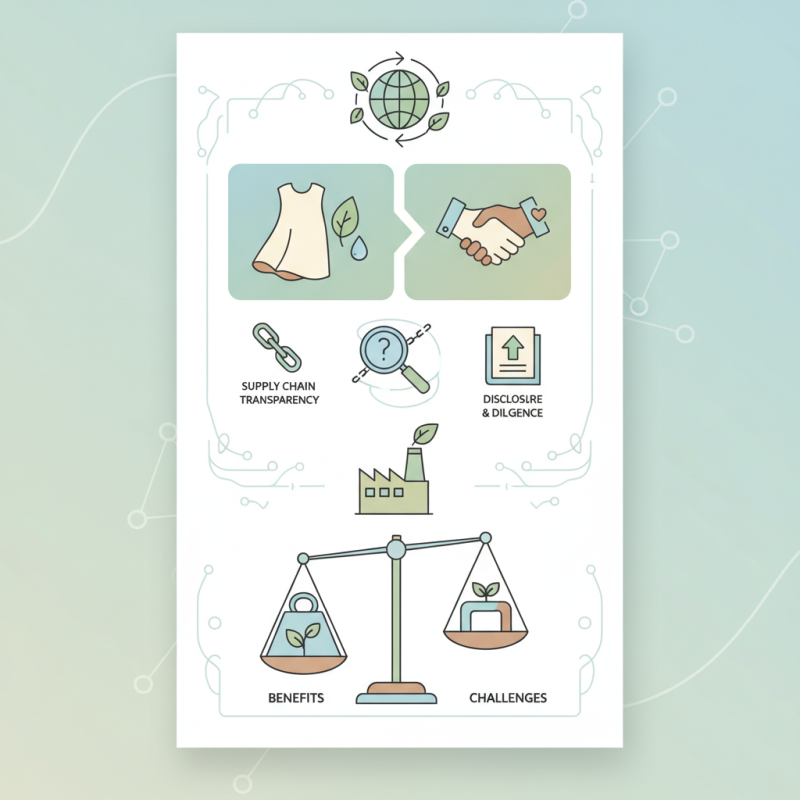
Sustainable clothing manufacturers not only prioritize eco-friendly materials, but also ethical labor practices. The 2020 Fashion Transparency Index revealed that only 40% of brands disclose their supply chain information. This lack of transparency makes it challenging for businesses to choose partners who align with sustainability goals.
Many manufacturers now offer innovative solutions, such as biodegradable fabrics or waterless dyeing methods, which can minimize environmental impact. However, the journey is not without challenges. Sourcing genuine sustainable suppliers requires diligence and sometimes, compromise. Nonetheless, the benefits of aligning with sustainable clothing manufacturers outweigh the hurdles, driving the industry towards a more responsible future.
Understanding Sustainability in the Fashion Industry
Sustainability in the fashion industry is a multifaceted challenge. The term often evokes images of eco-friendly materials and ethical labor practices. However, true sustainability goes beyond surface-level changes. It requires a deep examination of production processes, supply chains, and environmental impacts. Brands must assess their carbon footprints, waste management, and resources used. Many fail to realize how this complexity can affect their choices.
The rise of fast fashion has exacerbated these issues. Rapid production cycles lead to overconsumption and excessive waste. Many manufacturers lack transparency regarding their practices. Shoppers often find it hard to discern which brands are genuinely sustainable. This confusion underscores the importance of research and critical thinking. It’s essential to question where and how clothing is made.
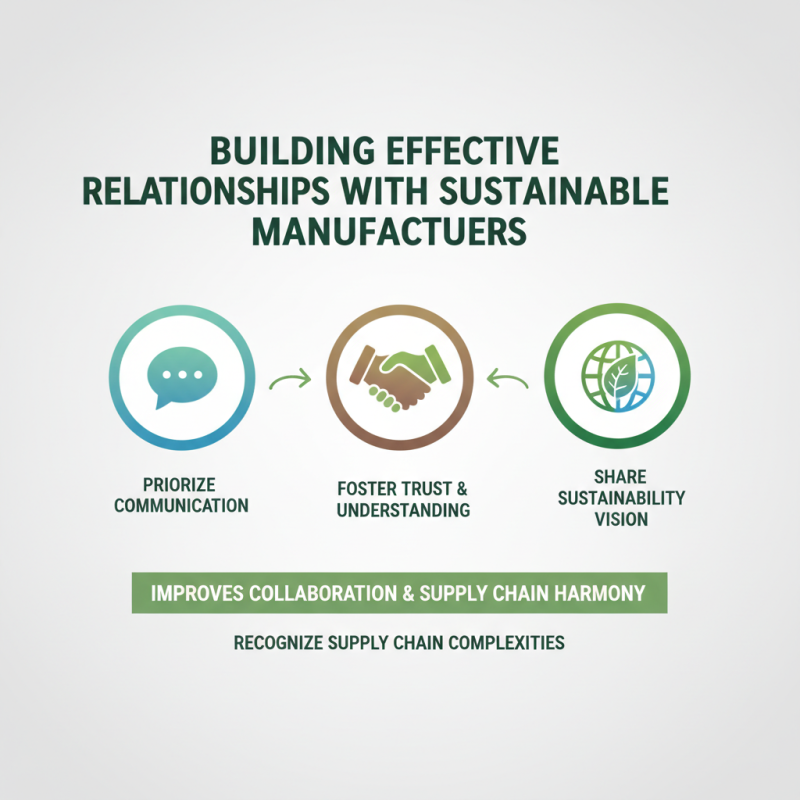
To navigate this landscape, it’s crucial to seek manufacturers who prioritize sustainability. Look for certifications that indicate ethical practices. Engage directly with producers to understand their methods. This can lead to meaningful partnerships. Yet, the quest for sustainability is ongoing. The industry must continuously adapt and improve. Acknowledging imperfections can drive meaningful change.
Top Tips for Finding Sustainable Clothing Manufacturers
Identifying Key Characteristics of Sustainable Clothing Manufacturers
When seeking sustainable clothing manufacturers, identifying key characteristics is vital. Look for transparency in their operations. A reliable manufacturer shares information about their sourcing and production processes. This openness builds trust and assures you of their sustainability practices.
Consider their materials. Sustainable manufacturers often use organic or recycled fabrics. Check for certifications that validate their eco-friendly claims. Certifications like GOTS or Oeko-Tex can provide assurance of their commitment to sustainability. Additionally, assess their energy sources. Manufacturers relying on renewable energy show a strong commitment to reducing their carbon footprint.
Visit production facilities if possible. This gives you firsthand experience of their operations. Look for signs of fair labor practices. A sustainable manufacturer values their workforce. Inspect their waste management practices. Are they minimizing waste? Reflection on these aspects can deepen your understanding of what truly defines sustainability in clothing production.
Top Tips for Finding Sustainable Clothing Manufacturers
| Characteristic |
Description |
Example Indicator |
| Eco-Friendly Materials |
Uses organic or recycled fabrics that minimize environmental impact. |
GOTS Certified Organic Cotton |
| Ethical Labor Practices |
Ensures fair wages and safe working conditions for workers. |
Fair Trade Certification |
| Low Carbon Footprint |
Manufacturing processes that reduce greenhouse gas emissions. |
Renewable Energy Usage |
| Water Conservation |
Techniques and processes that reduce water consumption. |
Waterless Dye Technologies |
| Transparency |
Open about sourcing, production processes, and labor practices. |
Traceability Systems |
| Community Engagement |
Supports local communities and initiatives related to sustainability. |
Local Sourcing Initiatives |
| Durability |
Products designed to last longer, reducing waste. |
Long Quality Warranty |
Researching Ethical Supply Chain Practices
Finding sustainable clothing manufacturers is crucial in today’s fashion landscape. Researching ethical supply chain practices is key to ensuring that your sourcing aligns with your values. The Global Fashion Agenda reports that 66% of consumers want brands to be more transparent about their supply chains. This growing demand emphasizes the need for manufacturers to adopt ethical practices.
One essential step is assessing a manufacturer's commitment to sustainability. Look for certifications like GOTS or Fair Trade. These certifications indicate adherence to sustainability standards. However, it's important to note that not all certifications are equal. Some may not hold manufacturers to strict environmental or social standards. Investigating each standard’s requirements can prevent potential greenwashing.
Engaging with industry reports, such as those from the Ethical Fashion Forum, reveals that approximately 60% of clothing manufacturers still lack transparency. This signifies an ongoing challenge in the industry. Brands must critically assess their partners. Transparency is not just about policies; it’s also about tangible actions. Ask potential partners for data, audits, and employee testimonials. This deep dive into their operations can reveal the genuine commitment to ethical practices. As the demand for sustainable clothing grows, so does the responsibility of brands to ensure they are not only aligning with consumer values but also contributing to meaningful change.
Evaluating Certifications and Standards for Sustainable Apparel
When seeking sustainable clothing manufacturers, evaluating certifications is crucial. Certifications like GOTS or OEKO-TEX indicate environmentally-friendly practices. These standards ensure that the materials used are safe and sustainable. However, not all certifications are equal. It’s essential to research each certification's credibility and what it truly guarantees.
One effective tip is to look for transparency in supply chains. Manufacturers should provide clear information about sourcing and production methods. Ask detailed questions about labor practices. Fair wages and safe working conditions matter significantly in sustainable fashion. Check if they regularly audit their compliance with labor rights.
Consumers can also seek third-party audits. These evaluations provide an independent perspective on a manufacturer’s sustainability practices. Understanding the entire production process can help you make informed choices. Remember, sustainable practices are often evolving. Manufacturers may not have perfect methods, but a genuine commitment to improve is key. Seek those willing to engage in honest dialogue about their practices and challenges.