Leave Your Message

Top 10 Tips to Design Your Own Clothing Line Successfully?

In today's competitive fashion landscape, the desire to "Design Your Own Clothing Line" is increasingly popular among aspiring entrepreneurs. The global apparel market was valued at approximately $1.5 trillion in 2022 and is projected to reach over $2 trillion by 2026. This growth reflects a significant opportunity for new brands to emerge. However, about 80% of new clothing lines fail within the first year, highlighting the challenges in breaking into the industry.

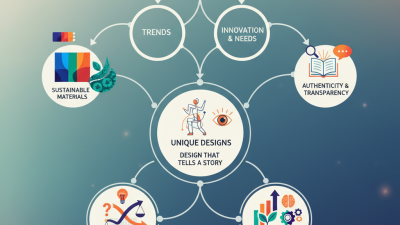
Many designers underestimate the complexities involved in building a brand, from sourcing materials to understanding market trends. Effective branding and marketing are crucial in standing out among thousands of competitors. These elements can significantly influence consumer perception and purchasing decisions. Studies suggest that 49% of consumers consider brand story and values important when making fashion purchases. It's vital for designers to convey authenticity and purpose.

As you embark on your journey to design your own clothing line, it's essential to learn from both successes and failures in the industry. There are numerous pitfalls to avoid and important lessons to absorb from those who have gone before you. Addressing common missteps can provide invaluable insights, making differentiation from competitors a more attainable goal. Your unique vision in this vast sea of fashion can become a reality, but only with careful planning and execution.

Top 10 Tips to Design Your Own Clothing Line Successfully?

Identifying Your Niche in the Fashion Industry

Identifying your niche in the fashion industry is crucial for success. Research shows that around 65% of consumers prefer brands that resonate with their personal values. This statistic highlights the importance of standing out in a crowded marketplace. Finding a unique angle requires understanding trends and gaps. For example, sustainable fashion is a growing segment. In 2023, the sustainable clothing market is projected to reach $8.25 billion.

Consider your audience's preferences. Data from industry reports indicate that millennials and Gen Z prioritize ethical practices. They are willing to pay more for clothing that reflects their beliefs. Engaging with potential customers can provide insights. Surveys can help in discovering what resonates with them. This process is not always immediate. It may require refining your concepts multiple times.

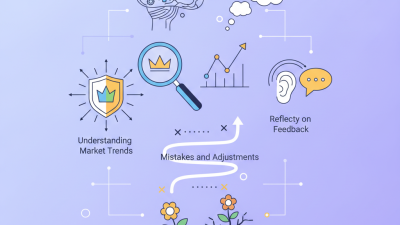
Incorporating feedback is essential. Understanding trends should not overshadow individual creativity. Sometimes, what seems popular may not align with your vision. Analyze what works and what doesn't. Adjust your approach accordingly. Identifying your niche is an ongoing journey, filled with challenges and opportunities for growth.

Top 10 Tips to Design Your Own Clothing Line Successfully

Tip No. Tip Description Key Considerations
1 Research Your Target Market Identify demographics, preferences, and buying behaviors.
2 Develop a Unique Selling Proposition (USP) Offer something distinctive that sets your line apart.
3 Create Compelling Designs Focus on trends, creativity, and consumer preferences.
4 Choose the Right Fabric and Materials Consider quality, cost, and sustainability.
5 Build a Strong Brand Identity Develop a logo, color palette, and brand story.
6 Plan Your Marketing Strategy Utilize social media, influencers, and online marketing.
7 Set a Realistic Budget Consider all costs in production, marketing, and distribution.
8 Select Reliable Suppliers and Manufacturers Ensure they align with your quality and ethical standards.
9 Establish a Sales Channel Decide between online, retail, or both.
10 Gather Feedback and Iterate Use customer feedback to improve your designs and offerings.

Developing a Unique Brand Identity and Aesthetic

Creating a unique brand identity is crucial in the fashion industry. According to a report by McKinsey, 66% of consumers are willing to spend more on brands that reflect their values. This highlights the importance of defining what your brand stands for. Consider your target audience and their desires. Young consumers, for instance, favor authentic brands over traditional ones.

Aesthetic plays a significant role in brand identity. Colors, typography, and patterns must align with your values. Research indicates that visual appeal influences 93% of purchase decisions. This means your designs should evoke emotion and tell a story. Experimentation is necessary, but not all designs will resonate. Reflecting on failed designs can guide future creations, helping you avoid repeating mistakes.

Additionally, staying updated on fashion trends is essential. The global fashion industry grows steadily, valued at $2.5 trillion. However, many startups struggle to establish their presence. A unique aesthetic can differentiate your clothing line. Analyze competitors but ensure your designs maintain originality. Always seek feedback and be ready to adapt. Building a brand is a continuous process, requiring patience and reflection.

Creating a Business Plan and Budget for Your Clothing Line

Creating a business plan and budget for your clothing line is crucial for success. A well-structured plan outlines your goals. It also defines your target market. Consider what styles and aesthetics will resonate with your audience. Research is key. Analyze competitors and identify gaps in the market. This will help you position your brand effectively.

Budgeting requires careful thought. Break down your costs into categories. Include materials, production, and marketing expenses. Don’t forget about overhead and unexpected costs. It’s wise to anticipate your cash flow. A shortfall may occur; be prepared for it. Many entrepreneurs overlook this aspect, leading to financial strain.

Tracking your expenses diligently will provide insights. Regular assessments can illuminate areas needing adjustment. This process may reveal discrepancies in pricing or spending. Embrace this as a learning opportunity. Reflecting on your expenditures ensures you stay on track for growth. Mistakes are part of the journey. They can guide you toward improvement.

Top 10 Tips to Design Your Own Clothing Line Successfully

Sourcing Quality Materials and Ethical Production Methods

Sourcing quality materials is crucial for any clothing line. Look for suppliers who prioritize sustainability. Organic cotton or recycled fabrics can make a positive impact. Not every material will fit your vision perfectly. Sometimes, you might find flaws in the fabric. Reflect on whether those imperfections can still represent your brand’s aesthetics.

Building relationships with local artisans enhances ethical production. This promotes fair wages and eco-friendly practices. However, not all collaborations will be seamless. Miscommunications may occur. It’s important to address issues promptly to maintain trust. Open dialogue leads to better partnerships.

Consider experimenting with different textures and patterns. This experimentation may involve failures. Each misstep can teach valuable lessons. Focus on creating a unique identity while respecting ethical standards. Balancing creativity and responsibility can be challenging but immensely rewarding.

Marketing Strategies to Promote Your Clothing Line Effectively

Marketing a clothing line can be a challenging yet rewarding journey. Start by establishing a strong brand identity. Your brand should reflect your vision and resonate with your target audience. This involves not only designing unique pieces but also crafting a compelling story around your brand. Use social media platforms for showcasing your designs and engaging with potential customers. High-quality visuals and consistent posting schedules can make a significant impact.

Collaborating with influencers in the fashion industry can amplify your reach. Choose influencers whose audiences align with your brand ethos. A well-executed partnership can lead to increased visibility. However, ensure that the collaboration feels authentic. Relying solely on paid promotions may not yield trustworthy results. Monitor your engagement levels and adjust your strategy accordingly.

Building an email list is another effective strategy. A newsletter can keep your audience informed about new launches and special offers. Offer exclusive content or early access to your subscribers. This creates a sense of community and fosters brand loyalty. Reflect on your marketing approach regularly to identify areas needing improvement. Embrace feedback from your audience; their insights can be invaluable for your growth. Remember, marketing is an evolving process that requires flexibility and creativity.