2026 Top Designs For Clothing Brand Trends You Should Know?
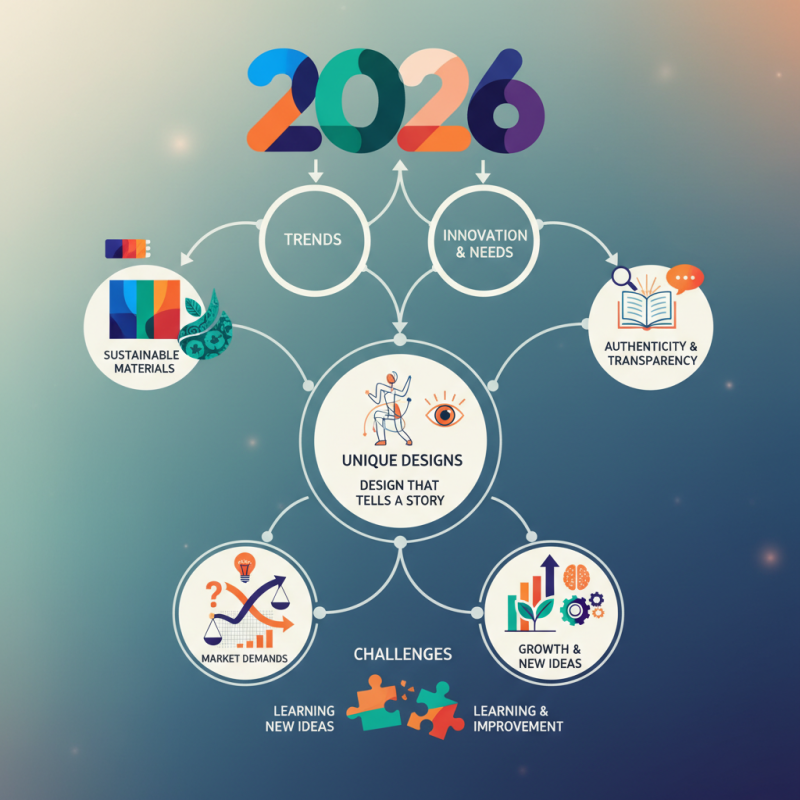
In the ever-evolving fashion industry, staying ahead is crucial. The 2026 Top Designs For Clothing Brand trends are designed to reflect innovation and consumer needs. As brands compete for attention, unique designs will be more important than ever.
This year, expect bold color palettes and sustainable materials to dominate the market. Consumers are seeking authenticity and transparency. Designers must focus on creating pieces that resonate with the audience. A design that tells a story can set a brand apart from competitors.
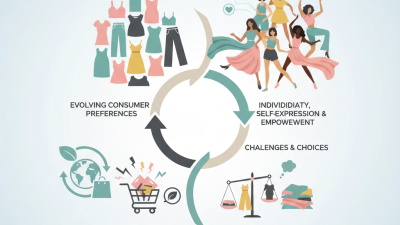
Yet, the journey to perfecting designs for clothing brand involves challenges. Balancing creativity with market demands can lead to missteps. Designers may find themselves torn between trends and individuality. Reflecting on this dynamic process can foster growth and inspire new ideas. Embrace the imperfections as opportunities for learning and improvement.
Emerging Fabric Technologies and Their Impact on Clothing Trends
Emerging fabric technologies are reshaping the clothing industry. Innovative materials, such as organic cotton blends and recycled polyester, are gaining traction. These fabrics reduce environmental impact while offering comfort and functionality.
The shift towards sustainable textiles is evident. Brands are now focusing on durability and wearability. Smart textiles, which adjust to temperature and humidity, are changing everyday wear. However, the integration of technology poses challenges in production and cost.
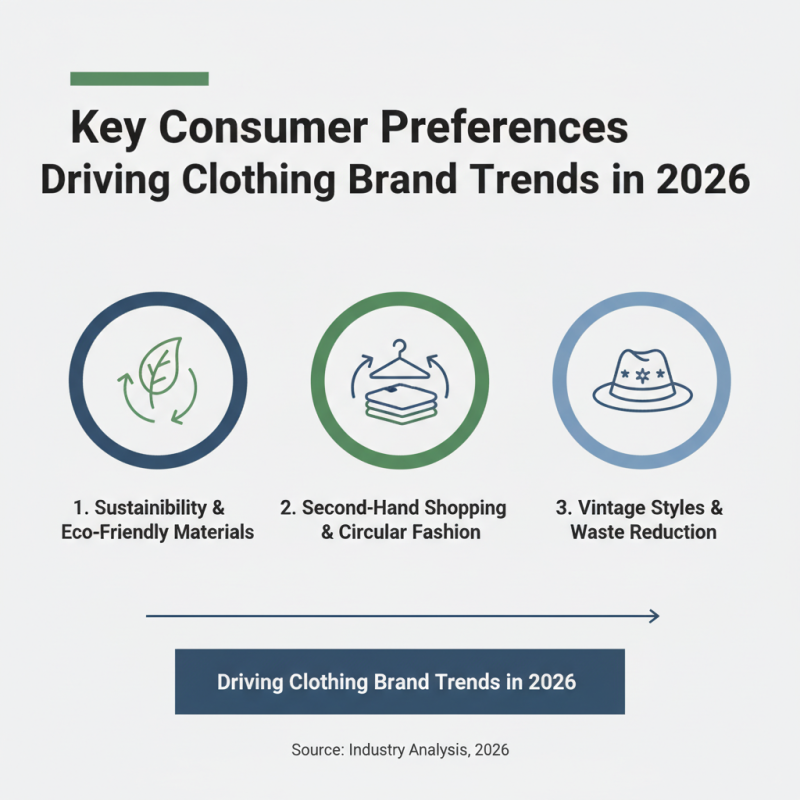
Consumer awareness is also rising. Shoppers prefer brands that prioritize eco-friendly fabrics. Yet, not all companies uphold this commitment. Some may use misleading claims without proper transparency. Brands must ensure accountability in fabric sourcing to retain consumer trust.
2026 Top Designs For Clothing Brand Trends You Should Know? - Emerging Fabric Technologies and Their Impact on Clothing Trends
| Trend |
Description |
Emerging Fabric Technology |
Impact on Trends |
| Sustainable Fabrics |
Growing demand for eco-friendly materials. |
Recycled Polyester and Organic Cotton |
Promotes circular fashion and reduces waste. |
| Smart Textiles |
Integration of technology with fabrics for enhanced functionality. |
Wearable Sensors and E-Textiles |
Improves performance and user experience. |
| 3D Knitting |
Customization and personalization in clothing design. |
3D Printing and Knitting Technology |
Reduces production time and waste. |
| Biodegradable Materials |
Materials that decompose without harming the environment. |
Bio-based Polyester and Corn-based Fabrics |
Encourages a greener product lifecycle. |
| Cooling and Heating Fabrics |
Fabrics that regulate body temperature. |
Phase Change Materials (PCM) |
Enhances comfort for varying climates. |
Sustainable Fashion Innovations Shaping 2026 Clothing Design Choices
In 2026, sustainable fashion will continue to drive innovation in clothing design. Brands are exploring new materials that reduce environmental impact. Recycled fibers and bio-based fabrics will dominate the market. Designers will emphasize durability while maintaining style. This approach encourages consumers to buy less but choose better.
The emphasis on transparency will increase. Shoppers will seek information about sourcing and production practices. Brands must communicate their values clearly. Ethical practices will not only attract eco-conscious customers but will also build trust. However, many brands struggle to meet these standards consistently. This presents a challenge that requires ongoing reflection and improvement.
Tech integration will also play a crucial role. Digital tools can help optimize supply chains and reduce waste. Smart textiles will provide functional benefits, enhancing comfort and performance. Yet, issues with technology adoption may arise. Some designers might resist integrating new practices. Addressing this hesitation is crucial for lasting impact in the fashion industry.
Color Palettes and Patterns: Trends to Keep an Eye on for 2026
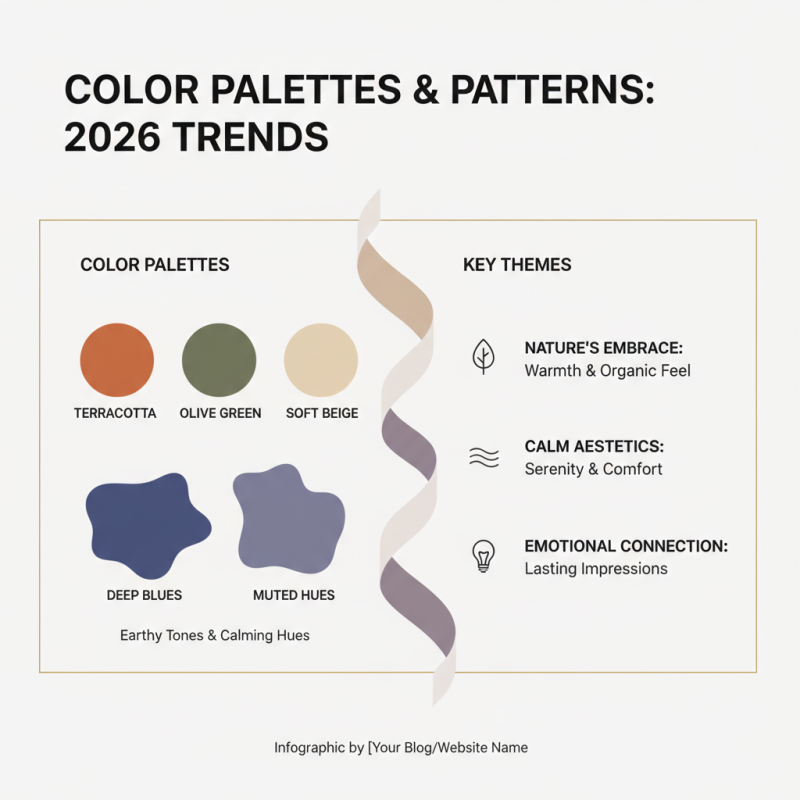
As we move toward 2026, the significance of color palettes and patterns in clothing design cannot be overstated. A vibrant color can evoke emotions and create lasting impressions. Earthy tones like terracotta, olive green, and soft beige are anticipated to dominate trends. These colors connect with nature and bring warmth to any outfit. You'll also see deep blues and muted hues, perfect for creating calming aesthetics.
Patterns are evolving, too. Bold geometric shapes and abstract designs will attract attention. Stripes and checks remain classic. However, experiment with scale and color combinations for unique results. Don’t shy away from mixing and matching patterns for a more dynamic look.
**Tips:** When choosing colors, think of your audience. Are they drawn to pastels or bold colors? Test colors in various lighting. Also, consider the fabrics. Some colors look different on cotton compared to silk. Patterns should reflect your brand’s personality. A brand known for minimalism may prefer subtle designs, while a playful brand might choose whimsical prints. Stay authentic and experiment, but know when to refine your choices for resonance.
The Influence of Cultural Diversity on Fashion Design in 2026
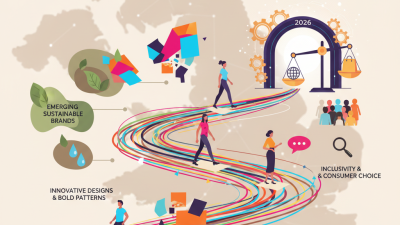
Cultural diversity is reshaping fashion design in 2026. Designers are now looking beyond traditional aesthetics to embrace a variety of cultures. The global fashion industry, valued at over $2.5 trillion, is increasingly influenced by this diversity. Reports suggest that brands focusing on inclusion see an up to 30% increase in consumer engagement.
Inspiration from various cultures creates rich narratives and unique styles. For example, textiles, patterns, and techniques from different regions bring an eclectic feel to outdoor wear and casual fashion. However, there’s a significant challenge. Appropriation versus appreciation remains a hot topic. Understanding cultural significance is crucial to avoiding misrepresentation. Data shows that 68% of consumers prefer brands that respect cultural origins in their design process.
Furthermore, sustainability is interwoven with cultural diversity. Many designers highlight traditional craftsmanship as a sustainable approach. This method not only gives a voice to artisans but also promotes environmentally friendly practices. Transparency is necessary, as nearly 75% of shoppers demand to know the supply chain story. Addressing ethical concerns in cultural representation is vital for future design.