Starting a clothing business often looks glamorous online. The operational reality is less polished. A reliable supplier must match your product vision, quality standards, budget, and delivery capacity. The Business of Fashion and McKinsey’s State of Fashion 2025 projects low single-digit industry growth amid rising costs and cautious consumer spending. That pressure makes supplier selection a commercial decision, not a simple online search.
Recent industry data shows why careful sourcing matters. The National Retail Federation and Appriss Retail estimated $890 billion in U.S. merchandise returns during 2024, equal to 16.9% of annual retail sales. Apparel sizing, fabric quality, and inconsistent production can quickly increase those losses. This is where Clothing Vendors To Start A Business become important. A suitable vendor should provide clear minimum order quantities, product samples, fabric details, production timelines, and reliable quality-control procedures. Certifications and factory documentation also deserve verification, not blind trust. Sometimes the cheapest quote hides expensive defects.
This guide explains how to locate, compare, and test clothing vendors before placing a serious order. It considers manufacturers, wholesalers, private-label suppliers, and small-batch producers. Practical checks include requesting a sample, inspecting stitching under natural light, confirming measurement tolerances, and testing communication speed. The process is rarely perfect. I have seen attractive catalogs create unrealistic expectations, especially when photographs replace physical samples. Therefore, new founders should treat every supplier conversation as evidence collection. A written agreement, transparent payment terms, and a realistic delivery buffer can protect both cash flow and customer experience. Supplier research takes time. That is usually money well spent.
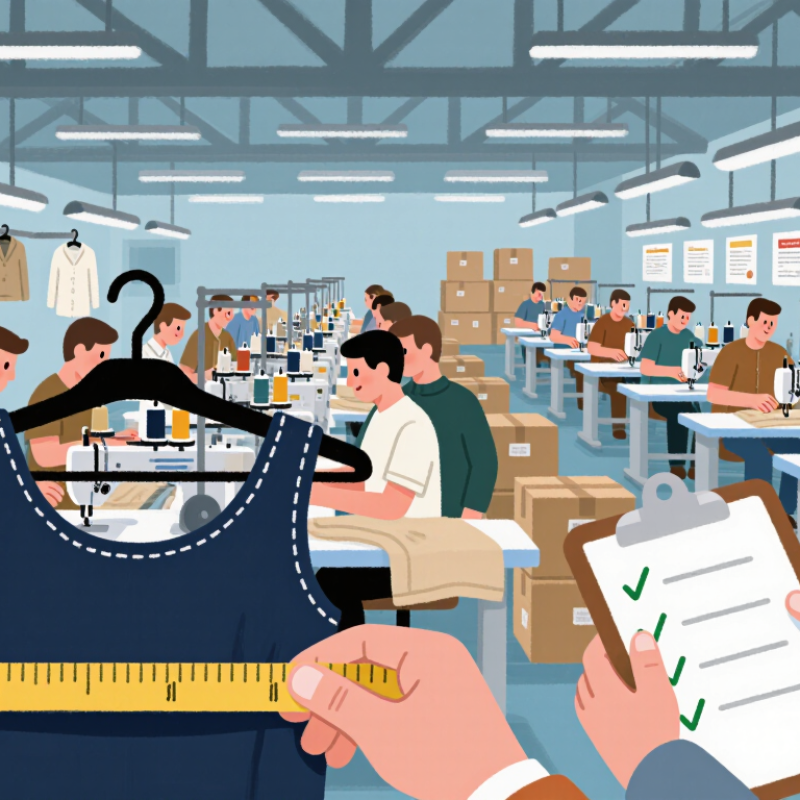
Before searching for clothing vendors, define how your business will make money. Will you sell limited handmade pieces, private-label basics, or seasonal collections? Each model needs different production skills, order volumes, and delivery schedules. Write a one-page vendor brief before contacting factories or wholesalers. Keep it practical. List target customers, price range, sizes, fabrics, colors, and expected monthly demand. A clear model prevents attractive but unsuitable suppliers from wasting your time.
Your vendor requirements should cover minimum order quantity, sample fees, production time, payment terms, and quality standards. Add measurable details, such as fabric weight, seam tolerance, shrinkage limits, and packaging needs. Ask whether the vendor can provide material information and product documentation required for your sales markets. Reliable suppliers answer specific questions clearly and share realistic timelines. Promises are not evidence. Request samples, inspect stitching under bright light, and wash test the fabric before placing a larger order. Record defects with photographs and written notes.
I once focused too heavily on a low unit price and ignored slow sample revisions. The final cost included delays, extra communication, and a missed selling opportunity. That mistake changed my vendor checklist. Now I score each supplier on quality, communication, capacity, transparency, and total landed cost. Still, a scoring sheet is not perfect. A small vendor may deliver excellent work but lack polished documents. A large operation may look professional yet miss your quality expectations. Start small. Confirm every specification in writing, then review performance before expanding.
Practical vendor requirements by clothing business model
| Business Model | Best Vendor Type | Typical Starting Order | Typical MOQ | Estimated Production Lead Time | Inventory Risk | Key Vendor Requirements |
|---|---|---|---|---|---|---|
| Print-on-Demand | On-demand fulfillment provider | One unit per customer order | Usually 1 unit | Approximately 2–7 business days before shipping | Low | Consistent print quality, product catalog, order integration, transparent base costs, return policy, and sample-order access |
| Dropshipping | Dropshipping wholesaler or fulfillment supplier | One unit per customer order | Usually 1 unit | Approximately 3–10 business days, depending on stock and destination | Low | Accurate stock data, reliable tracking, neutral packaging, fast communication, product quality control, and clear shipping terms |
| Wholesale Resale | Wholesale distributor or ready-to-ship manufacturer | Small case or size run | Often 6–24 units per style or color | Approximately 3–14 business days if in stock | Medium | Low minimums, current inventory, consistent sizing, wholesale pricing, product images, reorder availability, and defect replacement terms |
| Private Label | Private-label apparel manufacturer | One or more styles with custom labels and packaging | Commonly 50–300 units per style, depending on customization | Approximately 30–90 days after approval of samples | Medium to High | Custom labeling, fabric and trim options, graded sizing, approved pre-production sample, quality standards, packaging specifications, and production capacity |
| Cut-and-Sew Custom Production | Cut-and-sew factory or contract manufacturer | A complete custom collection | Often 100–500 units per style, fabric, or color | Approximately 45–120 days, excluding product development | High | Technical specifications, patterns, fabric sourcing, sample revisions, construction expertise, inspection procedures, and production timeline control |
| Uniforms or Workwear | Uniform manufacturer or institutional apparel supplier | Size-set order for an organization or group | Commonly 25–100 units per design | Approximately 30–75 days after specification approval | Medium | Durable fabric, size consistency, embroidery or decoration capability, repeat-order support, color matching, replacement process, and delivery reliability |
| Sustainable or Ethical Apparel | Certified or traceable apparel manufacturer | Small-to-medium production run with material documentation | Commonly 100–500 units per style | Approximately 45–120 days | Medium to High | Material traceability, credible audit or certification documents, restricted-substance controls, responsible labor practices, transparent sourcing, and waste-management procedures |
Note: Order quantities, lead times, and inventory risk are typical planning ranges. Actual requirements vary by garment type, customization level, fabric availability, order season, destination, and supplier location.
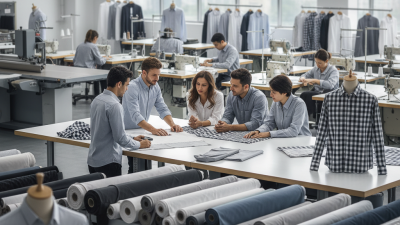
Choosing a clothing vendor starts with identifying the production model your product needs. Cut-and-sew factories suit original patterns and small design changes. Private-label suppliers offer existing styles with custom labels. Wholesalers can provide faster delivery, but their selection may feel less distinctive. Local vendors simplify communication and visits. Overseas vendors may offer stronger textile networks and lower unit costs. Do not judge a region by price alone. Port distance, seasonal closures, and currency changes can reshape the final cost.
Research potential supply regions through trade directories, textile associations, factory websites, and verified referrals. Compare regions by fabric access, skilled labor, minimum order quantities, and shipping routes. Ask each vendor for current registration details, sample policies, production timelines, and quality-control procedures. A reliable supplier answers clearly and documents promises. Request a sample using your actual fabric weight. A polished photo is not evidence. Check stitching, seam strength, shrinkage, color consistency, and measurement accuracy after normal washing.
Keep a comparison sheet with quoted prices, payment stages, defect allowances, and delivery records. One overlooked detail can damage cash flow. A common mistake is choosing the cheapest quote before calculating inspection, freight, duties, and packaging. Recheck the numbers after receiving samples. Regional research also needs humility; online information can be outdated or overly flattering. Speak with several vendors, test a small order, and record what failed. That imperfect trial may reveal more than a confident sales presentation.
Finding a clothing vendor starts with evidence, not polished photos.
Request recent production samples, fabric composition, measurement charts, and a dated quality-control record. Check seam strength, shrinkage, colorfastness, and zipper performance after washing. Textile Exchange’s 2024 Materials Market Report estimates global fiber production reached 124 million tonnes in 2023 and may reach 160 million tonnes by 2030. This growth makes material traceability and capacity claims worth testing.
Price comparisons should use landed cost, not the factory’s headline quote.
Ask for fabric, cutting, sewing, finishing, packaging, shipping, and sampling fees separately. Minimums are often negotiable, but not free. A smaller order may increase the unit price or reduce fabric choices. Record every assumption in writing.
I once treated a low sample quote as a saving; later, revisions and freight erased the advantage. That was a useful mistake.
Evaluate production capacity through schedules, not promises.
Ask for monthly output, current order volume, peak-season allocation, lead times, and subcontractor details. Request a live factory walkthrough or independent inspection before paying a large deposit. Compare the promised output with machine numbers, workforce size, and previous delivery records. Also order a small pilot batch. Measure defect rates, packing accuracy, and actual delivery time.
The 2024 USFIA Fashion Industry Benchmarking Study identifies cost, speed, and compliance as continuing sourcing priorities, so a cheap vendor with unstable delivery may be expensive in practice.
Leave room for doubt. Vendor claims still need verification.
A clothing vendor should prove quality before asking for a large order. Request two identical samples, then compare stitching, measurements, fabric weight, colorfastness, and shrinkage after washing. Keep one sample as your approval reference. A supplier may send its best piece first. That is worth remembering.
Certifications need careful checking. Ask for the certificate number, issuing organization, covered factory, product scope, and expiration date. A logo on a website proves little.
The 2023 Fashion Transparency Index reviewed 250 companies and reported an average transparency score of only 18%. This shows why factory-level evidence matters. Contact the certifier directly when possible. Testing reports should also identify the laboratory and test date.
Communication reveals operating discipline. Send a detailed tech pack and measure how clearly the vendor answers questions. Ask about minimum order quantity, production capacity, inspection procedures, payment terms, and late-delivery remedies. Use a small trial order before committing. Record response times and every revision.
The McKinsey State of Fashion 2024 report highlighted sourcing volatility and supply-chain resilience as major industry concerns. A vendor with vague backup plans may create expensive delays.
Request two trade references and verify the business address, registration details, and bank information independently. I once treated fast replies as proof of reliability; that assumption was wrong. Clear evidence matters more than confident promises.
Finding a clothing vendor is only the beginning. A sustainable partnership needs clear terms, measured performance, and honest communication. During vendor reviews, ask for production capacity, material sources, lead times, quality records, and corrective-action procedures. Do not accept vague promises. Put each requirement into the agreement.
Negotiate minimum order quantities carefully. A low price can become expensive when inventory sits unsold. Set payment milestones, inspection rights, defect tolerances, replacement timelines, and approved sample standards. A 30-day pilot order can reveal more than a polished presentation. It may still fail. That is useful information.
Sustainability should be measurable, not decorative language. PwC’s 2024 Voice of the Consumer Survey found that 46% of consumers would pay more for sustainably produced goods. Share practical targets with vendors, such as reduced packaging, recycled fibers, lower water use, or documented factory energy data. Request evidence and review it quarterly. The Sustainable Apparel Coalition has also emphasized facility-level measurement through standardized impact tools, which can improve supplier discussions.
Build a two-way partnership. Pay on time, provide realistic forecasts, and avoid sudden design changes. In return, expect transparent capacity updates and early warnings about delays. I have learned that trust cannot replace documentation. However, excessive paperwork can slow small suppliers and damage cooperation. Review the process regularly, and adjust terms when real production experience exposes weak assumptions.
This weighted evaluation model helps clothing businesses compare vendors during negotiations. Delivery reliability and quality consistency receive the highest priority, while payment flexibility, minimum order quantity flexibility, and transparency support a more sustainable long-term partnership. The percentages represent a 100-point planning framework rather than data from any specific company or brand.