How to Find Reliable Manufacturers for Your Clothing Brand?
Finding reliable manufacturers for clothing brands is a crucial step in building a successful business. The right partner can affect product quality, cost, and delivery timelines. Trust plays a significant role in this selection process.
Potential challenges arise while searching for manufacturers. Many companies claim to provide quality services. However, not all can meet your brand's specific needs. It's essential to investigate their production capabilities and past client experiences. Engaging in thorough research might take time, but it is necessary for long-term success.
The journey of finding suitable manufactures for clothing brands may involve setbacks. Learning from these experiences helps refine your criteria. As you navigate the marketplace, remember that trial and error can lead to valuable insights. Establishing strong relationships with selected manufacturers can enhance collaboration and ultimately contribute to your brand's reliability and growth.
Identifying Your Clothing Brand's Specific Manufacturing Needs
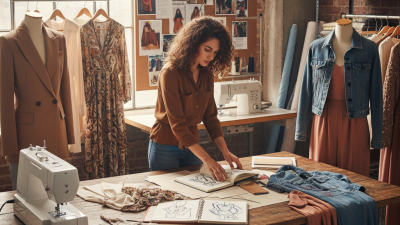
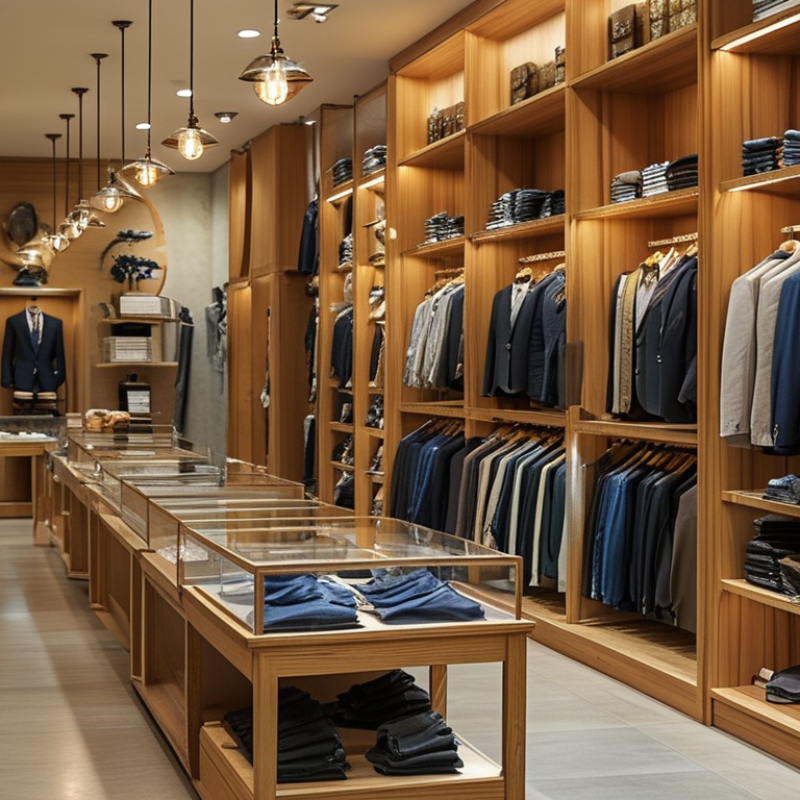
Identifying your clothing brand's specific manufacturing needs is crucial for success. Start by defining your target audience. Understand their preferences, ages, and styles. This clarity will guide your choices in materials and production techniques.
Next, consider the types of garments you want to produce. Are they high-end or mass-produced? This affects your choice of manufacturers. Evaluate your budget and desired quality. It’s essential to communicate this clearly with potential partners.
**Tip:** Research and ask for samples before making a commitment. This allows you to assess quality firsthand. Look for manufacturers who can accommodate your unique designs while offering competitive pricing.
Also, familiarize yourself with industry standards. Knowing what’s typical can help during negotiations. Build a checklist of must-haves for your manufacturer. This can include production capacity, turnaround times, and ethical practices. Remember, it's a partnership, so finding the right fit is crucial.
**Tip:** Don’t overlook the importance of reviews and testimonials. Feedback from other brands can provide insights into reliability. Consider small, local manufacturers for personalized service. This can sometimes be more reliable than larger factories. Balancing quality, cost, and ethical practices is key.
Researching Potential Manufacturers in the Apparel Industry
Finding reliable manufacturers in the clothing industry is a critical step for any apparel brand. Researching potential manufacturers requires a strategic approach that balances cost, quality, and production capacity. According to the Apparel Manufacturing and Supply Chain report by Statista, the global market size for apparel manufacturing is projected to reach $1 trillion by 2025. This growth highlights the increasing competition in finding the right manufacturer.
Tip: Start by listing your specific needs. Consider order volume, fabric types, and production timeline. This clarity will help narrow down your options significantly. Look for manufacturers with certifications such as WRAP or OEKO-TEX, which indicate adherence to ethical and sustainable practices. These certifications provide a level of assurance regarding quality and compliance.
Not all manufacturers will fit perfectly with your vision. Some may lack the technology needed for modern production. Others might have significant communication barriers. It's essential to reach out to multiple manufacturers. Request samples and visit their facilities if possible. Understand their strengths and weaknesses. Collecting data from previous clients can give you insight into reliability. Your efforts in research can prevent costly mistakes down the line.
How to Find Reliable Manufacturers for Your Clothing Brand?
| Manufacturer Type |
Location |
Minimum Order Quantity |
Production Lead Time |
Certifications |
Sample Availability |
| Cut and Sew |
China |
500 units |
4-6 weeks |
ISO 9001 |
Yes |
| Knitting |
Bangladesh |
1000 units |
6-8 weeks |
WRAP |
Yes |
| Embroidery |
Vietnam |
300 units |
3-5 weeks |
BSCI |
Yes |
| Dyeing and Finishing |
India |
2000 units |
4-7 weeks |
OEKO-TEX |
Yes |
| Private Label |
Turkey |
1500 units |
5-9 weeks |
GOTS |
Yes |
Assessing Manufacturers’ Credentials and Production Capabilities
When searching for reliable manufacturers for your clothing brand, it's critical to assess their credentials thoroughly. Review their certifications, such as ISO standards or fair trade certifications. These credentials indicate a commitment to quality and ethical practices. Ask for documentation that supports their claims. A reliable manufacturer will readily provide this information.
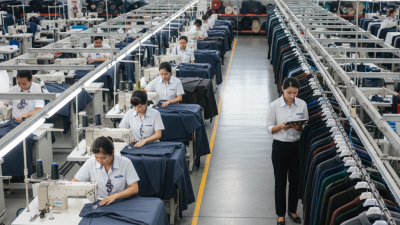
Production capabilities are equally important. Visit their facilities, if possible. Observe their equipment and workforce. This gives insights into their production capacity and quality control processes. Inquire about their lead times and order flexibility. Understanding these aspects helps gauge if they can meet your brand's demands.
Don't hesitate to ask for references from other clients. Feedback from existing customers provides a clearer picture of the manufacturer’s reliability. It may reveal challenges they faced and how the manufacturer addressed them. Reflect on these insights. It's natural to feel uncertain about partnerships, but making informed choices is essential for your brand's success.
Assessing Manufacturers’ Production Capabilities
Visiting Manufacturing Facilities for Quality Assurance
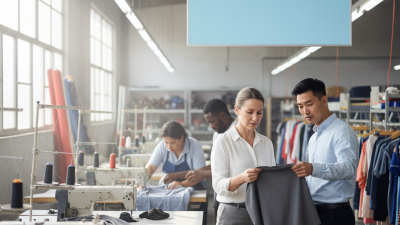
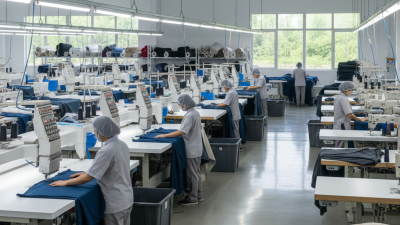
Visiting manufacturing facilities is crucial for quality assurance in a clothing brand. It allows you to witness production processes firsthand. This experience helps to build trust and verify that the manufacturer's claims align with reality. You can assess the working conditions, equipment, and materials used. Observing the environment can reveal a lot about a manufacturer's reliability.
During your visit, pay attention to details. Check if workers follow safety protocols. Are they experienced and treated well? Look for quality control measures in place. Ask questions about their production timelines and processes. Take notes on any discrepancies you observe. Sometimes facilities may look good at first glance, but deeper inspection might uncover issues.
Reflecting on past visits can be valuable. Think about what worked and what didn't. Engage in open conversations with the staff. Their insights can guide you in making informed decisions. Trust your instincts and don’t hesitate to seek clarity on anything unsettling. Balancing your observations with your brand's ethics and standards will aid in selecting the right partnership.
Establishing Clear Communication and Partnership Agreements
Establishing clear communication is vital in any partnership, especially with manufacturers. Open dialogues help to align expectations from both parties. Share your brand’s vision, production timelines, and quality standards upfront. This creates a foundation for mutual understanding and trust. Regular updates can prevent misunderstandings and improve workflow efficiency.
Partnership agreements are essential for outlining responsibilities. A detailed contract should include payment terms, delivery schedules, and quality assessments. However, not every manufacturing partner adheres to these terms perfectly. Issues may arise, and how you handle these is critical. Reflect on your response strategies. Are you prepared for potential bumps in the road? Adjust your contract as needed while maintaining a collaborative spirit.
Maintaining a reliable relationship requires ongoing discussions. Schedule regular reviews to assess performance and address concerns. As the partnership evolves, so too should your agreements. Flexibility can foster innovation. Nonetheless, ensure that any changes are documented and understood by both parties. Continuous communication builds resilience and strengthens the partnership over time.