How to Design Your Own Clothing Line and Launch It Successfully?
In the competitive world of fashion, the desire to design your own clothing line is more than a dream; it's a vision. Renowned fashion entrepreneur, Sarah T., once stated, "Creating a unique clothing line is not just about style; it’s about telling a story." This encapsulates the essence of building a brand in the apparel industry.
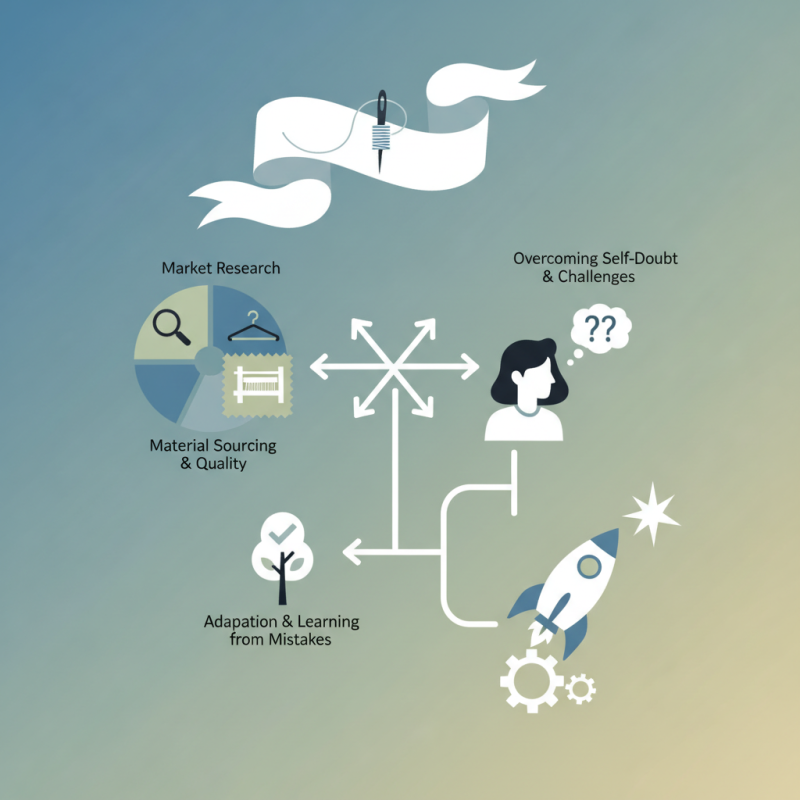
To successfully design your own clothing line, one must understand the market. Research is key; trends shift rapidly in fashion. Many aspiring designers overlook this crucial step, resulting in products that miss the mark. Quality also matters. High-quality materials can elevate a brand’s perception. However, navigating supplier relationships can be challenging, and not every supplier meets expectations.
Launching a clothing line also involves grappling with self-doubt and the fear of failure. It’s easy to get lost in the myriad of decisions. The process can lead to mistakes, but each misstep is an opportunity for growth. Embracing these imperfections helps refine your vision and approach. In a journey where passion meets persistence, learning to adapt is vital.
Identifying Your Target Market for a Clothing Line
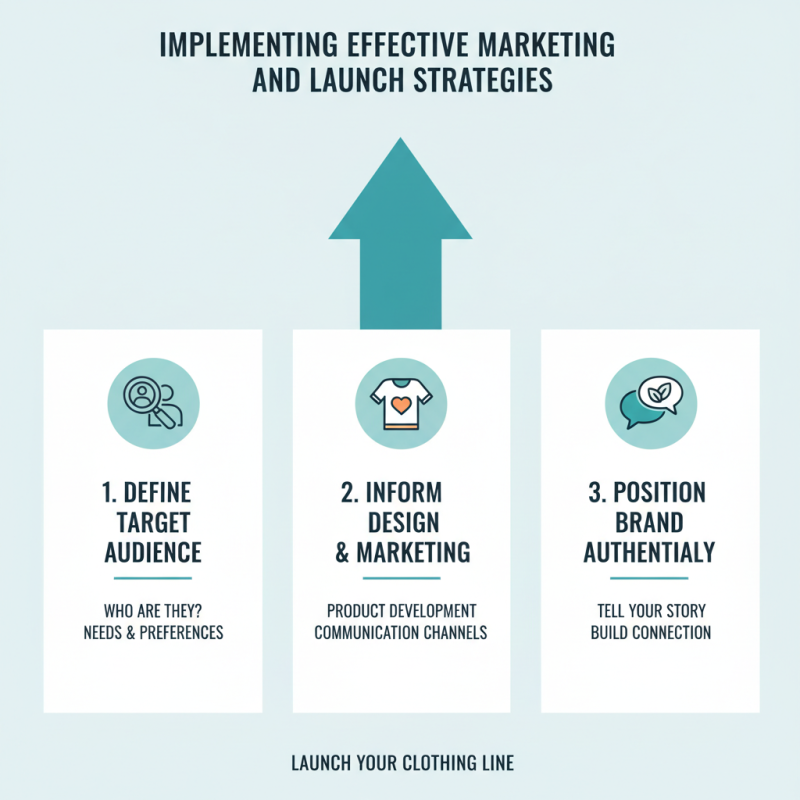
Identifying your target market is crucial in launching a successful clothing line. A well-defined audience helps tailor your designs and marketing efforts. Start by conducting thorough research. Use surveys, social media polls, and focus groups to gather insights. These methods allow you to understand customer preferences, age groups, and fashion tendencies. Try to identify gaps in the current market. Note what existing brands offer and determine what’s lacking.
Tips: Create buyer personas based on your findings. These fictional characters embody your ideal customers, helping you visualize their needs and expectations. This approach provides better clarity for your design and marketing strategies.
Understand the demographics and psychographics of your target audience. Consider factors like lifestyle, values, and spending habits. These details influence design choices. However, remember that your understanding may evolve. Keeping an open mind is essential as you receive feedback.
Tips: Stay connected with your audience through social media. Engagement allows you to refine your target market over time. It helps you adapt to changing trends and preferences. Be ready to pivot your designs based on these interactions. A responsive approach will build a loyal customer base.
Creating a Unique Brand Identity and Vision
Creating a unique brand identity is vital for any clothing line. According to a 2022 survey, 79% of consumers prefer brands that reflect their own values. Understanding your target audience is essential.
What do they care about? Sustainability? Comfort? Style?
To develop your vision, start with a clear message. This message should stand out in the crowded market. Brands that effectively communicate their story tend to see a
23% increase in customer loyalty. Consider how you can differentiate your designs.
Unique patterns and sustainable materials aren't just trends; they are necessities for today’s conscious consumer.
Consistency is key. Your logo, colors, and messaging should align. Inconsistent branding can confuse potential buyers.
Studies reveal that coherent branding can boost revenue by up to 33%. Analyze brands that resonate with you, but don't simply imitate.
Your authenticity will attract loyal customers. Reflect on what you can improve.
Maybe your designs are too similar to competitors’ offerings. Recognizing and adjusting these shortcomings shapes a stronger identity.
Developing Your Clothing Line's Design and Aesthetic
Creating a unique clothing line requires a defined design and aesthetic. Start by identifying your target audience. Understand their preferences and habits. This knowledge guides your design choices.
When it comes to aesthetics, think about colors, patterns, and fabrics. Choose a color palette that resonates with your brand identity. For instance, earthy tones can suggest sustainability, while vibrant colors convey energy. Pay attention to fabric selection; the right texture can elevate your designs and enhance the wearer's experience.
**Tip:** Sketch your ideas. Visualizing helps streamline your thoughts. It can also reveal design flaws early on.
After establishing your aesthetic, focus on the details. Small elements can make a big impact. Buttons, stitching, and labels should all reflect your brand. These details create a cohesive look. However, it's essential to remain open to feedback. Criticism offers insights into what works and what doesn’t.
**Tip:** Collaborate with others. Partnering can bring fresh perspectives. It may also push you to refine your vision.
Ultimately, remain adaptable. Trends shift and evolve rapidly. Staying informed about industry changes will help you navigate potential missteps. What resonates today may not appeal tomorrow. So, embrace experimentation in your designs.
How to Design Your Own Clothing Line and Launch It Successfully? - Developing Your Clothing Line's Design and Aesthetic
| Aspect |
Details |
| Target Audience |
Age group between 18-30, fashion-forward individuals, interested in sustainable fashion. |
| Design Inspiration |
Contemporary art, streetwear, and vintage fashion trends. |
| Color Palette |
Earth tones combined with vibrant accents including teal, mustard, and burgundy. |
| Fabric Choices |
Organic cotton, recycled polyester, and linen. |
| Design Elements |
Minimalist patterns, oversized silhouettes, and functional pockets. |
| Production Method |
Small-batch production with local manufacturing to reduce carbon footprint. |
| Marketing Strategies |
Social media campaigns, influencer collaborations, and pop-up shops. |
| Launch Plan |
Pre-launch teasers, influencer previews, and limited-time offers at launch. |
Establishing Production Processes and Sourcing Materials
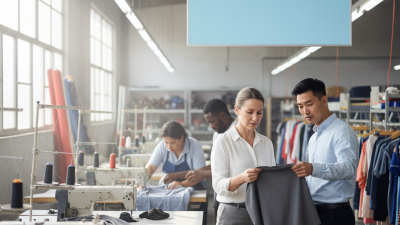
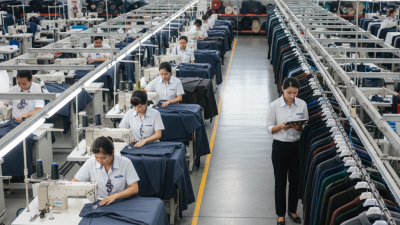
Sourcing materials and establishing robust production processes are critical steps in launching your clothing line. Begin by identifying reliable suppliers. Consider digital platforms that specialize in connecting designers with material vendors. Reports indicate that over 70% of fashion startups cite material sourcing as a major challenge. Prioritize quality over cost; inferior materials can harm your brand's reputation.
Once materials are sourced, setting up production processes is essential. This includes choosing between local and overseas manufacturers. Local production may offer better quality control, while international sourcing can reduce costs. However, navigating tariffs and shipping can jeopardize budgets. Industry analysis shows that 60% of new brands fail to account for hidden costs in their calculations.
Documentation and clear communication with your production team are vital. Misunderstandings can lead to delays and unsold inventory. An estimated 50% of brands report production bottlenecks due to poor planning. Reflect on your supply chain strategy regularly. Be open to adjusting your processes based on market trends and feedback. Adaptability can be your strongest asset in a competitive landscape.
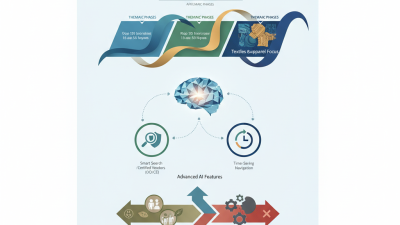
Clothing Line Production Process Overview