How to Design and Sell Clothes Online Successfully?
In today's dynamic marketplace, knowing how to "Design And Sell Clothes Online" is crucial for aspiring fashion entrepreneurs. The digital landscape offers immense opportunities, but it is also highly competitive. Understanding key design principles and market trends will set your clothing line apart from countless others.
Creating a unique design is only part of the equation. You also need to master marketing strategies to reach your audience effectively. Learning what works can take time, and not every attempt will succeed. Embrace failures as learning opportunities. Experiment with various styles, fabrics, and colors, and analyze the feedback.
Building a reputable brand online requires commitment. High-quality visuals and engaging product descriptions are essential. Customers need trust, so transparency in your process is vital. Show your design journey, as this personal touch can resonate with potential buyers. Ultimately, the process to design and sell clothes online can be challenging but rewarding if approached thoughtfully with continuous improvement in mind.

Understanding the Basics of Online Clothing Design and Sales
Venturing into online clothing design and sales requires a keen understanding of the basics. Start by researching current fashion trends. Look at what colors, fabrics, and styles resonate with your target audience. Use social media platforms to gather inspiration. Instead of copying, create unique pieces that reflect your style and vision. This approach creates a distinct brand voice. Detail matters, so pay attention to stitching, fabric quality, and packaging. A great design can fall flat without professional execution.
Next, build your online presence. Setting up an e-commerce site is crucial. Choose platforms that are user-friendly and allow for customization. Invest time in high-quality images of your products. Show them from multiple angles and in different settings. This draws in potential customers and helps them visualize the clothing in their own lives.
However, not everything will go smoothly. You may face challenges such as low sales initially or technical issues with your website. It’s essential to reflect and adjust your strategies. Consider customer feedback seriously. If there’s a common critique, take it to heart. Continuous improvement is key to long-term success in the online clothing market. Always be willing to learn and adapt.
Identifying Your Target Audience and Market Trends
Identifying your target audience is crucial for success in online clothing sales. Start by researching demographics, such as age, gender, and location. Understanding these factors allows for better alignment of design and marketing strategies. Utilize social media analytics to see which groups engage with your content. This data will highlight preferences and trends.
Market trends constantly evolve. Stay updated with fashion blogs, influencer insights, and seasonal changes. Trends may shift rapidly. What’s popular today could fade tomorrow. Attend industry events, even virtually, to grasp emerging styles. Engaging with communities online enhances your knowledge base, but be cautious. Not every trend is suitable for your brand.
Customer feedback is vital yet often overlooked. Encourage reviews and discussions about your products. Insights from buyers will guide your designs and marketing strategies. Sometimes, negative feedback reveals areas needing improvement. Being receptive to criticism can drive growth. Adaptation is key in this competitive landscape. Stay aware of what's working and what isn't.
Creating Unique and Trendy Clothing Designs
Creating unique and trendy clothing designs requires a deep understanding of your target audience. Begin by researching current fashion trends and popular styles. Identify gaps in the market where your creativity can shine. Use social media platforms to gather insights and inspiration. Interact with potential customers to see what they are looking for. This feedback can guide your design process.
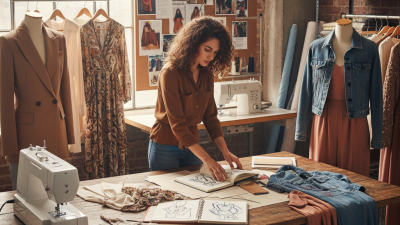
When it comes to actual design, sketching can help bring ideas to life. Experiment with different fabrics, colors, and textures. Each piece should reflect your brand's identity and vision. However, don't be afraid to step outside conventional styles. Sometimes, the most unexpected combinations generate the strongest responses. Document your design journey; it can provide valuable insights into what works and what doesn’t.
While trying to set trends, it's vital to accept that not every idea will succeed. Some designs may fall flat or not resonate. Learn from these experiences to refine your approach. Keep track of market responses and adjust as necessary. True success lies in balancing innovation with consumer preferences. Embrace imperfections as they often lead to growth and creativity in the fashion industry.
Sales Trends of Unique and Trendy Clothing Designs (2023)
Building an Effective E-commerce Platform for Your Brand
Creating an effective e-commerce platform for your clothing brand requires a thoughtful approach. Start with
user-friendly navigation. Simplified menus and clear categories help customers find what they need quickly. A
cluttered website can be overwhelming. Focus on visuals. High-quality images of your clothes from different angles can boost sales. Consider using lifestyle shots to show your garments in real life.
Don't overlook the importance of mobile optimization. Many shoppers browse on their phones. Ensure that your platform works seamlessly across all devices. A
slow-loading site can lead to lost sales. Integrating secure payment options is crucial. Customers value safety when shopping online. Offer various payment methods to accommodate everyone.
Engagement with your customers is vital. Use email marketing to keep them updated on new collections and promotions. Transparency in returns and shipping policies builds trust. However,
avoid making promises you cannot keep. A perfect platform is an illusion; there will always be room for improvement. Regularly gather customer feedback. Reflect on what works and what needs change.
Adapt quickly to stay relevant in a competitive market.
Marketing Strategies to Promote Your Online Clothing Line
To promote your online clothing line effectively, consider a mix of digital strategies. Start by building a strong social media presence. Platforms like Instagram and TikTok are vital for fashion brands. Showcase your designs with high-quality images and engaging videos. Use stories to create a personal connection with your audience.
Tip: Engage with your followers. Reply to comments and messages. Show appreciation for their support. This builds loyalty and encourages word-of-mouth promotion.
Another crucial strategy is to invest in search engine optimization (SEO). Optimize your product descriptions and blog posts. This increases visibility in search results. Use relevant keywords that your target audience searches for. However, avoid keyword stuffing, which can deter potential customers.
Tip: Monitor your website analytics. Identify which products attract the most traffic. Adjust your strategy based on these insights for better performance.
Lastly, consider collaborations with influencers. Partnering with fashion bloggers can widen your reach. Choose influencers whose style aligns with your brand. This can bring authenticity to your marketing efforts. Yet, ensure these partnerships feel genuine and not overly commercialized.
Tip: Evaluate the success of collaborations. Look for genuine engagement rather than just follower counts. Quality matters in these relationships.
How to Design and Sell Clothes Online Successfully? - Marketing Strategies to Promote Your Online Clothing Line
| Marketing Strategy |
Description |
Advantages |
Estimated Cost |
| Social Media Marketing |
Promoting your clothing line through platforms like Instagram and Facebook. |
High engagement, visual appeal, and broad reach. |
Low to moderate, depending on ads budget. |
| Email Marketing |
Building a mailing list and sending out newsletters or promotional offers. |
Direct communication and high conversion potential. |
Moderate, depending on email service provider. |
| Influencer Collaborations |
Partnering with influencers to showcase your products. |
Access to a wider audience and increased credibility. |
Varies widely based on influencer reach. |
| SEO Optimization |
Optimizing your online store for search engines. |
Increases organic traffic and visibility. |
Low to moderate, depending on resources used. |
| Content Marketing |
Creating blog posts, videos, or lookbooks to engage customers. |
Builds brand authority and customer loyalty. |
Moderate, depending on content production costs. |