What is the Best Type of Clothing Vendors To Start A Business?
Starting a clothing business requires insight and strategy. According to industry expert Sarah Jones, “Choosing the right clothing vendors can make or break your business.” The right vendors impact quality, cost, and supply chain reliability. In a dynamic market, understanding various vendor types is crucial for success.
Navigating through clothing vendors to start a business often feels overwhelming. Different vendors serve various market needs. Retailers may choose manufacturers that offer unique designs or wholesalers with bulk discounts. Each choice influences the business model and consumer satisfaction.
When selecting clothing vendors, reflect on your brand identity and target audience. This requires more than just price shopping. Establishing a connection with vendors can lead to better deals and insights. In the end, the relationship with your vendors may evolve, forcing you to rethink your initial choices. It's a delicate balance between idealism and practicality in a competitive landscape.

Types of Clothing Vendors: An Overview of the Business Landscape
When considering the types of clothing vendors to start a business with, several compelling options arise in today's market. The industry generates over $1.5 trillion globally, according to Statista. This indicates a vast potential for aspiring entrepreneurs. E-commerce has become a dominant force, capturing nearly 30% of the clothing market share. Starting an online clothing store can be a flexible and cost-effective approach.
Brick-and-mortar stores continue to hold relevance, yet they face significant challenges. The National Retail Federation noted that 1 in 4 retail stores closed during the pandemic. However, specialized boutiques focused on niche markets, like sustainable fashion, have seen growth. They cater to a more informed customer base that prioritizes ethical sourcing. This trend shows how consumer preferences are shifting, and vendors must adapt.
Resale and thrift markets are also thriving. ThredUp reported that the secondhand apparel market is projected to reach $64 billion by 2024. This growing sector provides an opportunity for new vendors to enter with lower inventory costs. However, competition is fierce in every segment, making research critical. Finding a unique angle and understanding target demographics can determine success or failure.
Market Trends in the Clothing Industry: Insights and Data
The clothing industry is dynamic and constantly evolving. Understanding market trends is crucial for success.
Eco-friendly materials are gaining momentum. Consumers are increasingly opting for
sustainable options. This trend offers vast opportunities for new vendors.
Online shopping is redefining how people buy clothing.
E-commerce platforms are growing rapidly. Yet, competition is fierce. Many new vendors struggle to stand out.
Establishing a unique selling proposition can help overcome this challenge.
Leveraging social media for branding can create a loyal customer base.
Tips: Research local and global trends frequently. Identify niches that are underserved.
Build connections with suppliers who prioritize quality and sustainability.
Stay adaptable and open to feedback to refine your business model.
Transparency with customers engenders trust and loyalty.
Evaluating Startup Costs for Different Clothing Vendor Types
When starting a clothing vendor business, understanding startup costs is crucial. Each type of clothing vendor comes with unique expenses. For instance, online stores typically require lower initial investments than physical shops. However, website development costs can add up. Consider hidden fees like hosting and transaction charges.
Physical retail stores demand higher upfront costs. Rent, utilities, and insurance can significantly impact your budget. Inventory costs should also be considered. Often, new vendors underestimate how much stock they'll need. Start with a minimal viable product to test your market.
Tips: Always plan for unexpected expenses. Creating a buffer in your budget can save you from future stress. Research local competition as well. Understanding their pricing and offerings helps you position your brand effectively. Lastly, maintaining a flexible mindset is key. The clothing industry is dynamic, and being adaptable can lead to long-term success.
Identifying Target Markets for Successful Clothing Businesses
Identifying the right target market is crucial for a clothing business. Start by analyzing demographics. Consider age, gender, and income levels. These factors will guide your design and marketing decisions. For example, younger consumers often seek trendy styles. They prefer vibrant colors and unique patterns. Mature audiences might favor classic designs and neutral tones.
Next, explore psychographics. Understand the lifestyles of your potential customers. Do they prioritize sustainability? If so, eco-friendly materials can be a selling point. Alternatively, focus on luxury for those seeking top-tier fashion. Additionally, keep an eye on local trends. A style that thrives in one area may flop elsewhere. Research social media conversations to gauge interests.
It's vital to reflect on the gaps in the market you can fill. Are there underserved niches? For instance, plus-size clothing often lacks variety. Addressing this can set you apart. Listening to feedback allows continuous improvement. This approach helps grow your authority as a clothing vendor. Engaging with customers builds trust and insight into their needs.
Effective Marketing Strategies for Clothing Vendors in 2023
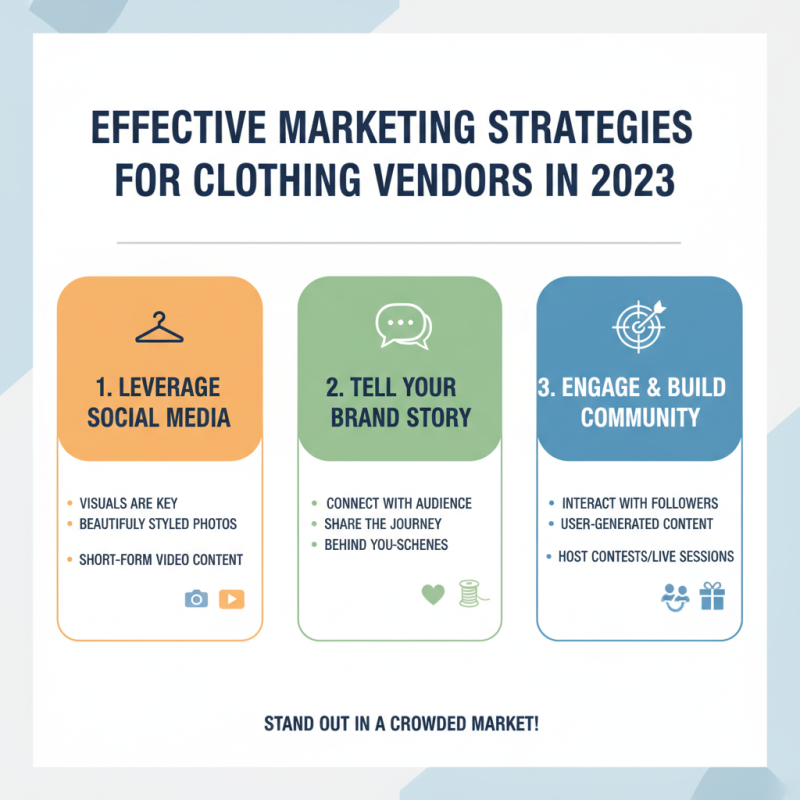
In 2023, clothing vendors face unique challenges and opportunities. Effective marketing strategies are vital for standing out in a crowded market. One approach is to leverage social media platforms, where visuals play a significant role. Beautifully styled photos can attract attention. This is more than just sharing images; it’s about storytelling. Connect with your audience by sharing the journey behind your brand.
Tips: Use high-quality images that reflect your brand aesthetic. Engage with your followers through polls and questions. This builds community and loyalty.
Influencer collaborations can also enhance visibility. Partner with micro-influencers who resonate with your target demographic. This not only boosts credibility but can lead to authentic customer connections. Be mindful, though, of choosing partners who align with your brand values.
Tips: Research potential influencers thoroughly. Look for engagement rates over follower counts. Quality interactions matter more than sheer numbers.
Lastly, optimizing your online presence is crucial. A user-friendly website and effective SEO practices can drive traffic. Offer a seamless shopping experience to encourage conversions. However, regularly assess your website's performance. Identify areas needing improvement.
Tips: Monitor your analytics to understand user behavior. Make adjustments based on feedback and performance metrics. This ongoing process can lead to better engagement and sales.