Why Are Women Clothing Brands in the USA Gaining Popularity?
The rise of women clothing brands in the USA is a notable trend. Women's fashion is evolving rapidly. These brands offer unique styles and a strong sense of identity. Many consumers seek authenticity and connection through their wardrobe choices. The growing market reflects changing attitudes about women's roles in society.
Women clothing brands USA are not just about clothes. They represent empowerment and individuality. Each brand tells a story. They often embrace sustainability and body positivity, which resonates with shoppers today. However, some brands struggle with real inclusivity. The challenge lies in meeting diverse needs while maintaining brand integrity.
Market competition is fierce. New entrants constantly disrupt the landscape. Established brands must innovate to stay relevant. The success of women clothing brands in the USA poses questions. Are they truly meeting women's needs? The answer may lie in their ability to adapt and listen.
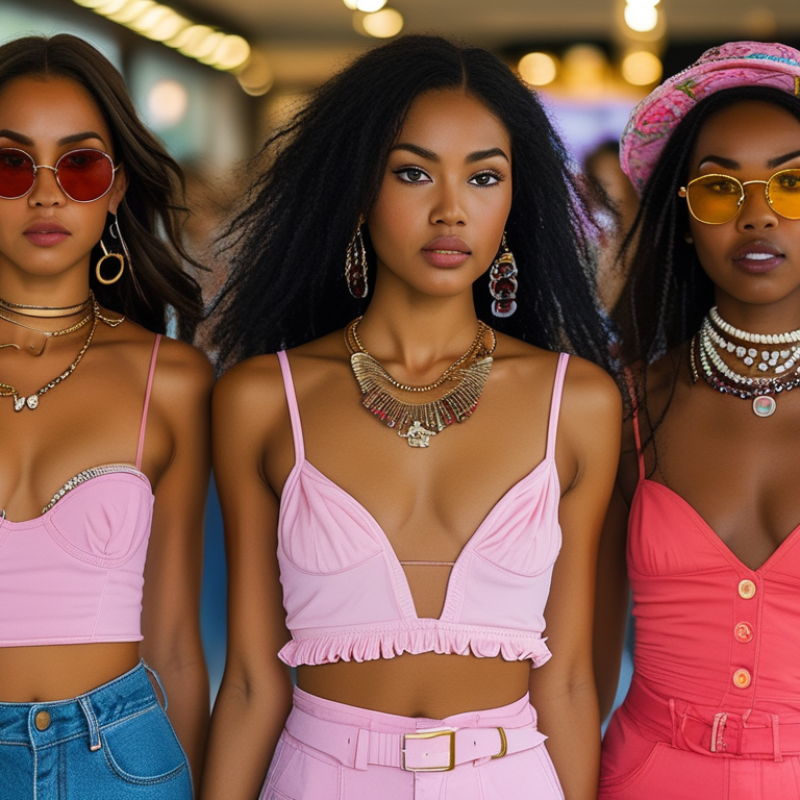
The Rise of Women Clothing Brands in the USA: An Overview
The rise of women's clothing brands in the USA reflects a significant shift in consumer behavior. According to a recent report by Statista, the women's apparel market in the U.S. is projected to reach $201.3 billion by 2027. This rapid growth is fueled by changing lifestyles and an increased focus on work-life balance. More women are entering the workforce and seeking versatile clothing that transitions from professional settings to casual outings.
Social media has played a crucial role in this evolution. Platforms like Instagram and TikTok allow brands to showcase their lines visually. A survey by McKinsey & Company indicates that 55% of women prefer shopping online, further driving the demand for sustainable and stylish options. However, some brands face challenges related to sizing consistency and fabric transparency. These issues can hinder customer trust and loyalty.
Additionally, the push for inclusivity is reshaping the industry. Many brands are now embracing a broader range of sizes and styles. Yet, this shift hasn't been without its flaws. Some brands struggle to balance quality with affordability. As the industry evolves, it remains essential for brands to reflect on their practices and the impact they have on consumer choices. These reflections can lead to sustainable growth and more meaningful connections with their customers.
Key Factors Driving Popularity of Women's Fashion Brands
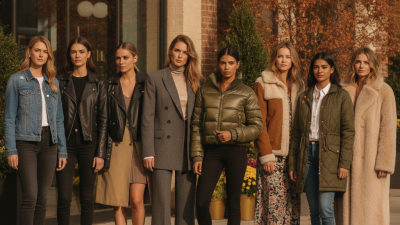
Women’s clothing brands in the USA are attracting more attention than ever. This surge is linked to several key factors that resonate with today’s consumers. A significant driver is the shift towards inclusivity in sizing and styles. Brands that celebrate body positivity are gaining traction. They emphasize fit for diverse body types, making all women feel represented.
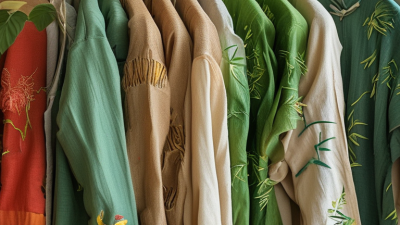
Another crucial factor is sustainability. Modern consumers are increasingly aware of their environmental footprint. Many women’s fashion brands focus on ethical practices and eco-friendly materials. This commitment builds trust and loyalty among shoppers. They appreciate knowing their purchases support responsible fashion.
Social media plays a pivotal role in this trend. Influencers and user-generated content showcase real women in everyday scenarios. This relatable marketing approach fosters a sense of community. However, not all brands manage to strike the right balance between authenticity and promotion. Some attempt to capitalize on trends without genuine commitment. This discrepancy may lead to consumer skepticism. Brands must navigate these challenges to sustain their growth in this evolving market.
The Impact of Social Media on Women’s Clothing Trends
In recent years, social media has transformed the landscape of women’s clothing trends in the USA. Platforms like Instagram and TikTok allow brands to reach a broader audience quickly. Influencers showcase their outfits, shaping what’s considered stylish. This visual culture has made it easier for women to find inspiration and connect with brands. Each post is a new opportunity for a brand to gain followers. However, this rapid pace can promote fleeting trends rather than timeless fashion.
Brands must focus on authenticity. They should prioritize community engagement over sheer sales. Women appreciate when brands reflect their values. Sustainable practices and body positivity resonate with many. Yet, not all brands succeed in this effort. Some may appear disingenuous or fall short in delivering quality or representation.
Tips for navigating these trends: Prioritize brands that align with your values. Look for those who engage transparently and authentically. Consider the story behind a piece of clothing before you buy it. Take your time to reflect on your wardrobe. Choose items that you truly love, not just what’s popular right now. Embrace your unique style while keeping an eye on social media for fresh ideas.
Changing Consumer Preferences and Empowerment in Fashion
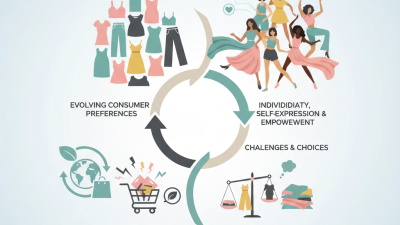
The landscape of women's clothing brands in the USA is experiencing a notable shift. Increasingly, consumers are gravitating towards brands that resonate with their values and lifestyles. Empowerment in fashion has become a significant theme. Women are seeking attire that not only flatters their physique but also tells a story. Many are drawn to brands that prioritize sustainability and ethical production. This growing demand reflects a deeper desire for authenticity in their purchases.
As consumer preferences evolve, the emphasis on representation is crucial. Women want to see themselves reflected in advertising and product offerings. They appreciate brands that showcase diversity in body types and backgrounds. This push for inclusion fosters a sense of belonging. However, not every brand is successful in applying these principles. Some struggle to maintain authenticity while seeking wider appeal. This inconsistency can lead to customer distrust.
Furthermore, empowerment through fashion often collides with fast trends. While some embrace quick changes, others reflect on the impact of these cycles. Are trends really empowering or just fleeting? Many women are hesitant to invest in pieces that may not last. The journey to find a balance between style, sustainability, and self-expression continues. As the industry evolves, brands must listen closely to what women desire.
The Role of Sustainability in Women’s Clothing Brand Success
Sustainability has become a key driver in the success of women’s clothing brands in the USA. Many consumers today prioritize eco-friendly practices. They seek brands that use organic materials and ethical production methods. This shift reflects a growing awareness of environmental impact. It also shows a desire for transparency in the fashion industry.
However, not all brands manage to implement sustainable practices effectively. Some claim to be sustainable but lack authenticity. They may use greenwashing tactics, which mislead consumers. It's crucial for buyers to research the brands they support. They need to verify claims about sustainability and fair labor practices. A well-informed consumer can help increase accountability.
On the other hand, truly sustainable brands face challenges too. Sourcing eco-friendly materials can be expensive. Balancing cost and sustainability is a tough tightrope walk. Brands often struggle with scalability while maintaining ethical standards. Despite these hurdles, the potential for growth in this market is significant. Consumer loyalty tends to strengthen when values align, especially in today’s socially conscious landscape.