China Top 10 Maxi Dress Manufacturers for Global Buyers?
China has become a major sourcing base for maxi dresses, combining fabric variety, sampling speed, and large-scale production. This makes China Maxi Dress suppliers relevant to retailers, private labels, and international wholesalers.
Grand View Research estimates that the global dresses market reached approximately USD 96 billion in 2022. Its report also projects continued growth through 2030, supported by online retail and changing consumer preferences. McKinsey’s State of Fashion research presents a less comfortable picture. Fashion growth remains uneven, while buyers face tighter margins, inventory pressure, and higher expectations for traceability.
The opportunity is real.
However, supplier selection requires more than a polished catalog. Buyers should examine fabric composition, shrinkage results, stitching density, grading accuracy, sample revisions, and production photographs. A soft rayon maxi dress may look elegant on a screen, yet fail after washing. That detail matters.
Sheng Lu, an apparel and textile trade researcher at the University of Delaware, has repeatedly emphasized the importance of data-based sourcing decisions. His practical message can be expressed clearly: “Trade data should guide assumptions, not replace verification.” This principle applies directly to China Maxi Dress purchasing.
The manufacturers discussed in this guide are evaluated through production capability, export experience, quality systems, communication, and customization support. Public information can also be incomplete. Some factories present themselves as manufacturers while relying heavily on external workshops. That deserves closer inspection.
A strong supplier is not always the cheapest. It is the one that can deliver consistent measurements, stable fabric quality, clear documentation, and repeatable production. Mistakes still happen. The goal is to identify them before bulk manufacturing begins.
How China’s Top 10 Maxi Dress Manufacturers Are Identified
China Top 10 Maxi Dress Manufacturers for Global Buyers?
China’s top maxi dress manufacturers are identified through evidence, not online rankings. The 2024 WTO World Trade Statistical Review reported that China supplied about 31% of global clothing exports in 2023. This scale creates many options, but capacity alone proves little. I compare factory registration records, export experience, sample consistency, sewing lines, and fabric sourcing. A serious supplier should explain GSM, shrinkage, colorfastness, seam strength, and lead times clearly. I also request recent production photos and conduct a video inspection. Small details matter, such as clean cutting tables and labeled inspection areas.
The selection process follows measurable checks. I review third-party audit reports, ISO 9001 quality systems, laboratory test results, and order references where available. The McKinsey State of Fashion 2025 report expects low single-digit growth for the global fashion market, increasing pressure on cost and inventory control. Therefore, a strong maxi dress manufacturer should offer flexible minimum quantities, stable fabric access, and documented quality control. However, one weakness remains: factory data can become outdated quickly. My ranking must be reviewed regularly.
Tips:
Send one detailed tech pack before comparing prices. Ask for a pre-production sample, then test fit, opacity, washing, and color under daylight. Check whether the quoted price includes labels, packaging, inspection, and freight terms. Never choose from a polished catalog alone. Experience is useful, but records are stronger.
Where Leading Chinese Maxi Dress Manufacturers Operate and What They Make
China’s leading maxi dress manufacturers are concentrated in several specialized apparel hubs. Guangzhou and Humen are known for flexible fashion production and frequent style changes. Dongguan supports cut-and-sew factories with strong export experience. Hangzhou and Ningbo often focus on refined fabrics, woven dresses, and private-label collections. Smaller workshops also operate around Shenzhen, Fujian, and Jiangsu.
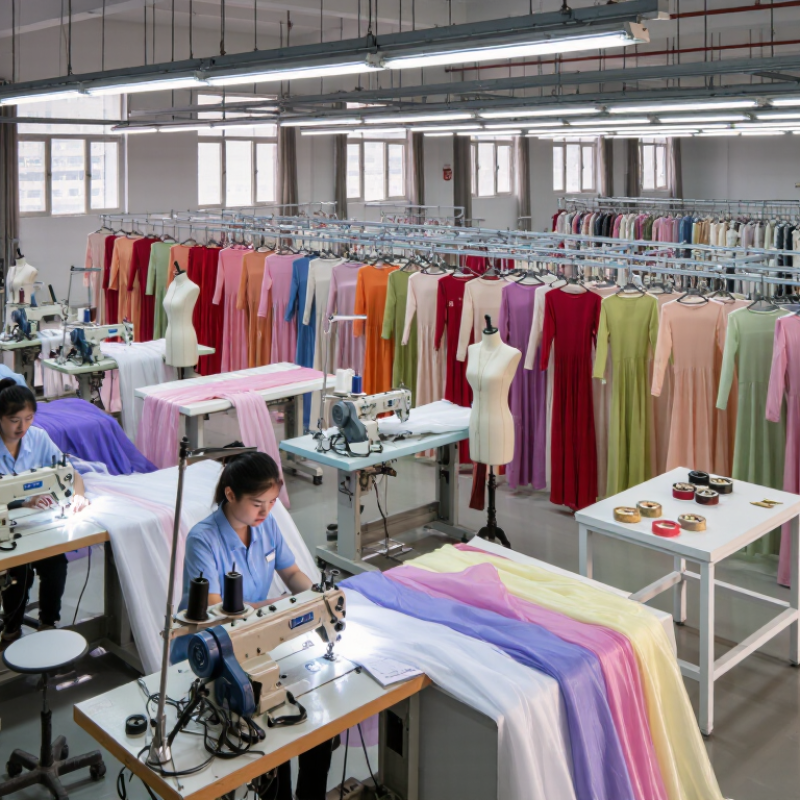
These manufacturers produce flowing viscose dresses, cotton-linen styles, stretch jersey designs, satin evening pieces, and modest full-length silhouettes. Many can adjust sleeve shapes, waist placement, lining, hem length, and sizing ranges. Some factories handle pattern development, fabric sourcing, sampling, sewing, pressing, and packing under one roof. Others depend on outside suppliers. That difference affects communication and delivery control.
In practical sourcing work, buyers should inspect sample quality before discussing large orders. Check seam alignment, fabric recovery, print placement, and shrinkage after washing. A low sample price can hide higher production costs later. Factory websites may show impressive equipment, yet actual capacity can vary by season. This is where careful verification matters. Ask for recent production photos, inspection records, and realistic monthly output. Also confirm whether the factory makes woven or knit garments regularly, because the machinery and workmanship are different. Mistakes still happen. A slightly uneven hem or weak lining may appear only after repeated wear. Clear measurement charts and approved pre-production samples reduce that risk.
What Fabrics, Styles, and Customization Services They Offer
China’s top ten maxi dress manufacturers serve varied fabric and design needs for global buyers. Textile Exchange’s 2024 Materials Market Report estimates global fiber production reached 124 million tonnes in 2023. Polyester remained dominant, while recycled options gained purchasing attention. Buyers can request chiffon, satin, jersey, cotton, linen blends, viscose, and recycled polyester. Each fabric changes drape, breathability, weight, and shipping cost.
Their style ranges often include wrap, A-line, tiered, slip, floral, modest, resort, and plus-size maxi dresses. Customization may cover tech packs, print placement, color matching, size grading, neckline changes, lining, labels, packaging, and small trial orders.
Ask for fabric swatches first. Photos can mislead. The Global Fashion Agenda’s Fashion CEO Agenda highlights material traceability and circularity as growing industry priorities. Therefore, buyers should request fiber certificates, test reports, shrinkage data, and colorfastness results.
A reliable factory should explain minimum order quantities and production timelines clearly. It should also provide pre-production samples and inspection access. In practice, some suppliers promise full customization but limit pattern adjustments. That gap deserves attention. Textile Exchange reports recycled polyester reached a meaningful share of polyester production, yet traceability remains uneven. Buyers should verify claims through transaction certificates or equivalent documentation. Small details matter: a hidden seam, soft lining, and stable waistband can decide customer reviews. Mistakes still happen. A careful approval process reduces expensive surprises.
How Global Buyers Can Select and Work With the Right Manufacturer
A top-ten list is only a starting filter. Global buyers need evidence, not attractive catalogue images. The WTO World Trade Statistical Review 2024 reports that China supplied 31.6% of global clothing exports in 2023. That scale offers choice, but also makes verification essential. Request business licenses, factory addresses, recent audit records, and export references. Ask whether production is direct or subcontracted. The answer can change your risk assessment.
Evaluate maxi dress capability through a measured sample. Check drape, seam strength, shrinkage, colorfastness, and lining behavior after washing. Textile Exchange’s Materials Market Report 2024 puts global fiber production at 124 million tonnes in 2023. Polyester represented 57% of that volume. Therefore, specify fiber content and recycled claims in writing. A supplier should provide test reports tied to the actual production lot. Do not accept generic certificates.
Pricing needs a transparent worksheet. Separate fabric, cutting, sewing, finishing, packaging, tooling, and inspection charges. Confirm minimum order quantities, lead times, payment milestones, and defect remedies before approval. Use a pilot order with clear tolerances and measurement points. I have seen polished samples hide uneven hems and unstable sizing. That is uncomfortable, but useful. Keep communication bilingual where possible, and record every change. A responsive factory is valuable; a documented process is safer. Recheck assumptions.
How Global Buyers Can Select the Right China Maxi Dress Manufacturer
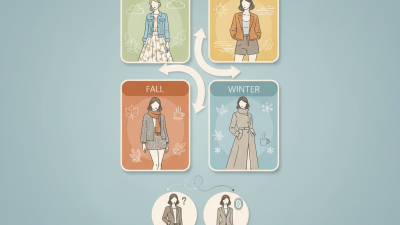
This illustrative buyer-weighting framework highlights the criteria that commonly influence international sourcing decisions. Product quality and compliance should be assessed first, followed by production reliability, customization capability, pricing, communication, and export support. Buyers should verify each factor through samples, factory audits, certifications, and written production agreements.