Leave Your Message
- Phone
- E-mail
- Whatsapp

- Wechat

Choosing wholesale casual dresses requires more than following seasonal colors or copying social media trends. Buyers must balance comfort, durability, price, fit, and customer expectations. This is where practical knowledge matters. A dress may look attractive on a showroom rack, yet feel stiff after one wash. Small details matter.
Fashion stylist Stacy London has said, “Fashion is about dressing according to what’s fashionable. Style is more about being yourself.” This idea is valuable for every Casual Dress Ladies collection. Wholesale buyers should study their customers before selecting products. Are they seeking relaxed cotton dresses for daily errands, polished midi styles for offices, or loose silhouettes for warm climates? Clear answers reduce costly guesswork.
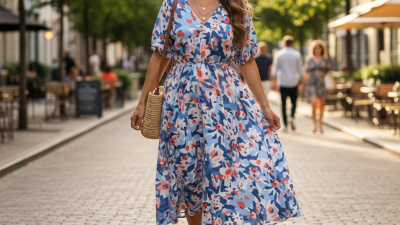
Fabric should be checked by hand. Look for breathable cotton blends, secure seams, smooth zippers, and colorfast prints. Request size charts and samples before placing larger orders. Compare measurements, not only labels. A medium size can differ sharply between suppliers. It happens often.
Reliable suppliers should provide transparent pricing, production details, realistic delivery times, and quality-control information. Reviews help, but direct communication reveals more. Ask how defects are handled. Ask for current photos.
No buying formula is perfect. Trends change quickly, and customers can be unpredictable. Still, careful testing improves decisions. This guide explains how to evaluate wholesale casual dresses, identify dependable suppliers, and build a Casual Dress Ladies range that feels useful, wearable, and commercially sensible. Style matters, but trust keeps customers returning.
How to Choose Casual Dresses for Ladies Wholesale?
Define the Buyer Profile Within the US$1.7T Global Apparel Market (2023)
The global apparel market reached approximately US$1.7 trillion in 2023, according to Statista Market Insights. That figure is impressive, but it does not define your customer. A wholesale buyer needs a narrower profile: location, sales channel, customer age, price range, and preferred size distribution. A coastal boutique may favor linen-blend midi dresses, while an online seller may need wrinkle-resistant fabrics and strong product photos. These buyers are not interchangeable.
Start with the retailer’s actual customer. In the United States, women’s apparel remains a major consumer category, while McKinsey’s State of Fashion reports continued pressure on value, inventory, and purchasing decisions. This affects wholesale dress selection. Buyers often prefer flexible colors, practical pockets, breathable fabrics, and repeatable silhouettes. They may request small opening orders, but also expect reliable replenishment. Ask for the intended retail price before recommending fabric or construction. Otherwise, the product may look attractive but fail at checkout.
Look closely at operational details. A buyer serving commuters may need dresses that survive long sitting, hand washing, and frequent wear. A resort-focused seller may prioritize bright prints and lightweight packing. Keep size curves based on sales evidence, not personal preference. This is where suppliers often misjudge demand. A recent WGSN retail analysis also highlights the importance of adaptable, seasonless products, though trend forecasts should not replace store-level data. Review sell-through, returns, and customer comments every month. Some assumptions will be wrong. Adjust them quickly.
| Buyer profile | Typical end customer | Primary occasions | Preferred dress characteristics | Recommended wholesale planning range* | Suitable retail channel | Wholesale buying signals |
|---|---|---|---|---|---|---|
| Value-focused casual | Adults approximately 18–34 seeking practical, trend-aware everyday clothing | Daily wear, campus, errands, casual social occasions | Easy-care jersey or woven fabrics, relaxed fits, short or midi lengths, solid colors and simple prints | Target landed cost: US$8–18 per piece Suggested opening order: 24–72 pieces per style |
Value-oriented boutiques, online sellers, discount and off-price retail | Strong price sensitivity, frequent replenishment, preference for low minimum order quantities and fast color testing |
| Modern work-to-weekend | Professionals approximately 25–44 who need versatile clothing for work and informal settings | Office-casual, commuting, lunches, travel and weekend activities | Midi silhouettes, wrinkle-resistant fabric, modest necklines, waist definition, neutral and seasonal colors | Target landed cost: US$14–28 per piece Suggested opening order: 36–96 pieces per style |
Contemporary boutiques, specialty apparel stores and curated e-commerce | Requests fabric composition, size consistency, fit samples, color cards and repeat-order availability |
| Inclusive-fit casual | Customers seeking extended sizes and reliable fit across body shapes | Everyday wear, family events, travel and relaxed gatherings | Extended size range, stretch or adjustable construction, opaque fabric, comfortable armholes and functional pockets | Target landed cost: US$12–26 per piece Suggested opening order: 48–120 pieces per style |
Specialty boutiques, inclusive-size retailers and direct-to-consumer websites | Requires a complete measurement chart, graded samples, fit notes and balanced inventory across core sizes |
| Comfort and mature lifestyle | Adults approximately 45 and above prioritizing comfort, coverage and easy dressing | Home-to-community wear, travel, social visits and daytime events | Soft hand feel, breathable fibers, forgiving silhouettes, elbow-length sleeves, midi or maxi lengths and easy closures | Target landed cost: US$15–30 per piece Suggested opening order: 24–72 pieces per style |
Community boutiques, comfort-focused retailers and catalog or online sellers | Lower return risk depends on accurate measurements, non-sheer construction and clear care instructions |
| Seasonal resort and occasion casual | Adults approximately 25–54 shopping for warm-weather trips and informal celebrations | Vacations, beach destinations, outdoor dining and daytime parties | Breathable fabrics, floral or geometric prints, bright seasonal shades, relaxed maxi and tiered styles | Target landed cost: US$12–25 per piece Suggested opening order: 24–60 pieces per style |
Resort-area stores, travel retailers, independent boutiques and seasonal online shops | Short selling windows make delivery date, fabric availability and reorder speed especially important |
| Conscious-material casual | Customers who actively evaluate material, durability and garment life | Everyday wear, capsule wardrobes and travel | Durable construction, natural or recycled fibers, timeless colors, low-impact packaging and transparent care details | Target landed cost: US$18–38 per piece Suggested opening order: 24–60 pieces per style |
Specialty lifestyle stores, sustainability-focused shops and online boutiques | Buyers may request fiber composition, certification documentation, traceability and packaging specifications |
| Dimension | Verified market reference | Wholesale implication |
|---|---|---|
| Global market scale | The global apparel market was commonly estimated at approximately US$1.7 trillion in 2023; definitions vary by source and may include different apparel categories. | A supplier should define a narrow target segment instead of treating the global apparel market as one buyer group. |
| U.S. household purchasing power | The U.S. median household income was US$80,610 in 2023, according to the U.S. Census Bureau's inflation-adjusted income measure. | Offer multiple cost tiers, but validate final retail pricing against the specific state, city and customer income profile. |
| Women’s apparel focus | Women’s clothing is a distinct apparel category with demand differentiated by age, fit, occasion, season and price level. | Collect buyer information on customer age range, size curve, preferred length, climate and selling season before confirming production. |
| Size strategy | U.S. apparel shoppers represent a broad range of body measurements; a single standard size curve does not represent the whole market. | Use body measurements rather than generic S–XL labels alone, and test the size curve with the retailer’s historical sales data. |
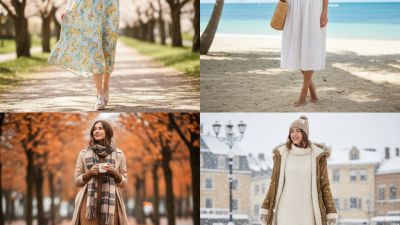
| Seasonality | Casual dress demand changes with climate, school and work calendars, holidays, travel periods and regional weather. | Plan separate assortments for spring/summer and fall/winter, while keeping proven neutral colors available for replenishment. |
| Landed-cost control | Landed cost is affected by product cost, packaging, freight, duties, customs processing, inspection and delivery terms; it is not equivalent to factory price. | Compare suppliers using the same shipping terms and include all import and logistics costs before setting a wholesale price. |