Leave Your Message

How to Choose the Best Mens Ski Jacket

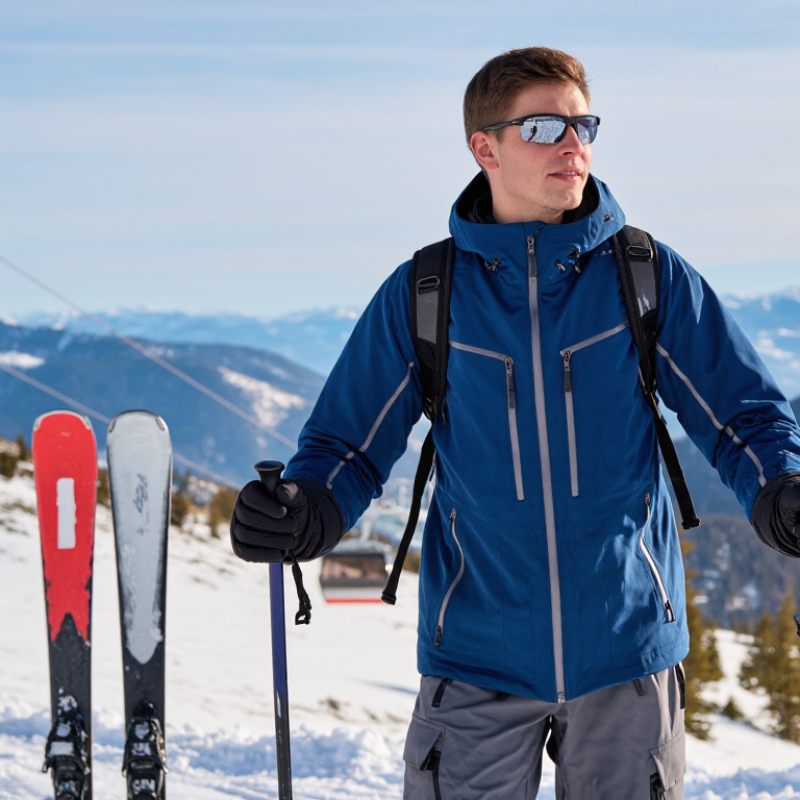
Choosing a Mens Ski Jacket is less about chasing the warmest label. It is about matching the jacket to your usual conditions and activity. A cold, windy chairlift ride feels different from hiking uphill under bright spring sun. That difference matters.

Start with protection from snow and wind. Check the jacket’s waterproof rating, sealed seams, and storm flap over the main zipper. These details help when wet snow collects on your sleeves or a lift ride turns blustery. Breathability matters, too. Pit zips can release heat during a climb, though they may not be useful on every resort day. No jacket stays comfortable in every condition.

Insulation is the next choice. Down can pack small and feel warm, while synthetic fill often handles damp conditions more reliably. A shell without built-in insulation offers flexibility, but it depends on well-chosen layers underneath. Try the jacket with the midlayer you actually plan to wear. Reach forward as if holding ski poles. Your cuffs should cover your wrists, and the hem should not ride up.

Fit is easy to overlook. So is pocket placement. Check whether pockets remain reachable with gloves and a backpack on. A powder skirt, adjustable hood, and wrist gaiters can add useful protection, but extra features are not automatically better. They add cost and may go unused. Compare the jacket’s specifications with your local weather, then consider care instructions and warranty terms. Even a well-made jacket has limits; the right choice is the one that suits your needs, not just the most impressive product description.
How to Choose the Best Mens Ski Jacket

Assess Your Skiing Style, Climate, and Typical Conditions

Choose a men’s ski jacket for the days you actually ski, not an imagined perfect day. Resort skiers often spend time on lifts, where wind and cold feel sharper; touring skiers generate more heat on climbs and need breathable fabric and easy-to-open vents. NOAA’s 2023 Annual Climate Report found the contiguous U.S. average temperature was 2.4°F above the twentieth-century average. That broad trend is not a mountain forecast, but it is a reminder to check local temperatures, wind, and precipitation before choosing insulation.

Match the jacket to your typical conditions. For wet snow or frequent storms, prioritize a reliably waterproof shell, sealed seams, and a hood that fits over a helmet. In dry, cold regions, insulation can make long lift rides more comfortable; in changeable weather, a shell over removable layers offers better control.

The National Ski Areas Association’s 2023–24 Kottke End of Season Survey counted 60.4 million U.S. skier visits, across areas with varied weather and terrain. One jacket cannot suit every outing. I’d rather carry a thin midlayer than overheat during a sunny afternoon, though I still sometimes misjudge how cold the chairlift will feel. Check pocket placement, cuff closure, and hem coverage while wearing gloves and moving as you ski.

Compare Insulated, Shell, and Layering Options

How to Choose the Best Mens Ski Jacket

Choosing a men’s ski jacket starts with how you ski and the weather you expect. Insulated jackets have built-in warmth, making them convenient on cold lift rides and chilly days. They may feel too warm during uphill hikes or active skiing. A jacket that feels comfortable in the shop can feel clammy after a steep climb.

A shell has little or no insulation, so you control warmth with midlayers. This option adapts well to changing conditions, but requires thoughtful layering. Wear a moisture-wicking base layer, then add fleece or light insulation as needed. I used to add too many layers and overheat; it takes some trial and error. No system is perfect. Look for a comfortable fit that leaves room to move without letting sleeves ride up.

Tips: Check the cuffs, hood, and hem while wearing gloves and a helmet. Test the jacket’s range of motion by reaching forward, as if holding ski poles. For wet, windy days, prioritize reliable weather protection and sealed seams. For colder, quieter days, built-in insulation may be simpler. Read care instructions, too, since washing and drying can affect performance.

How to Choose the Best Men’s Ski Jacket — Compare Insulated, Shell, and Layering Options
Jacket Option How It Works Warmth Weather Protection Best For Main Trade-Off What to Check
Insulated Jacket Combines an outer fabric with built-in synthetic or down insulation. Usually the warmest single-jacket option; warmth depends on insulation type, amount, and construction. Varies by model. Look for a waterproof or water-resistant shell and sealed seams if wet-weather protection is important. Cold resort days, chairlift rides, and skiers who prefer a simple setup with fewer layers. Can feel too warm during strenuous skiing or in mild conditions, and offers less flexibility to adjust warmth. Check the insulation details, hood compatibility with a helmet, ventilation zips, and room for a base layer.
Hardshell Jacket A weather-protective outer layer with little or no built-in insulation, worn over separate layers. Low on its own; warmth comes mainly from the midlayer and base layer worn underneath. Often designed for strong wind and precipitation protection. Waterproof performance depends on the fabric, construction, and seam sealing. Wet or windy conditions, active skiers, and people who want to adjust layers as temperatures change. Needs suitable layers underneath and may feel cold when worn alone in low temperatures. Check waterproof construction, seam treatment, vents, cuffs, powder skirt, and fit over intended layers.
Softshell Jacket A flexible outer layer that typically emphasizes stretch and breathability over full waterproof protection. Low to moderate; warmth varies, and some styles include a light lining. Usually suited to wind and light moisture rather than prolonged heavy rain or wet snow; performance varies by fabric. High-output skiing in dry conditions or as part of a carefully chosen layering system. May become wet through in sustained precipitation compared with a waterproof shell. Confirm the garment’s stated weather protection and whether it is intended for skiing in the conditions you expect.
Shell Plus Layering System Pairs a shell with a moisture-managing base layer and one or more insulating midlayers. Highly adjustable; add or remove a midlayer to suit activity level and weather. The shell provides the main wind and precipitation barrier, while layers underneath provide warmth. Skiers facing changing temperatures, varied activity levels, or multiple conditions throughout the season. Requires choosing and managing separate layers; the combined setup can cost more and take more planning. Make sure the shell fits over your layers without restricting movement, and avoid layers that trap excessive moisture.

Choose a Fit That Allows Movement and Layering

A ski jacket should feel comfortable over the layers you actually wear, not just over a T-shirt in a shop. ISO 9920:2007 measures clothing insulation in clo; 1 clo equals 0.155 m²·K/W. That figure describes insulation, not freedom of movement, so a warmer layer can still be a poor choice if it pulls tight across your shoulders. Try the jacket over a base layer and midlayer. Reach up. Bend your knees. If the hem rides high or the sleeves expose your wrists, the fit needs work.

Check the practical details. Lift both arms as if planting poles, then lean forward into a skiing stance. No pinching. The fabric should not stretch hard across your back, and the cuffs should still meet your gloves. ASTM F2732-17(2023) outlines standardized methods for estimating cold-weather clothing temperature ratings; those ratings do not replace testing your own layered fit. A jacket that feels roomy while standing may bunch beneath a backpack, while an overly snug fit can compress insulating layers. It is easy to chase a neat silhouette. I’d reconsider that choice if it limits a full shoulder turn. Allow a little space, but avoid loose fabric that catches or flaps in wind.

How to Choose the Best Men’s Ski Jacket

Choose a fit that allows movement and layering. Use these seven practical checks when trying on a jacket.

The bars count the checks in this fitting guide, not survey results. Test movement by raising your arms, reaching forward, crouching, and mimicking a pole plant. For layering, try your base and midlayers, zip the jacket without compression, and check that the cuffs and hem still overlap your layers.

Evaluate Waterproofing, Breathability, and Essential Features

When choosing a men’s ski jacket, look beyond the waterproof rating. Higher ratings can help in wet, heavy snow, but seam construction matters too. Fully taped seams block water at the stitched joins, where dampness can sneak through during a long lift ride. Check that the hood fits over your helmet and turns with your head. Small details matter. A powder skirt can keep snow out after a fall, while adjustable cuffs help seal around gloves.

Breathability affects comfort during uphill walks and active runs. A jacket with underarm zips lets you release heat quickly, especially when the sun appears and the climb gets sweaty.

No number tells the whole story: fabric ratings vary by test method, and personal comfort differs. I would compare the jacket’s ventilation, lining, and fit rather than rely on one figure.

Try it with a midlayer and reach forward as if holding ski poles. The hem should stay low, and the shoulders should not pull tight. Pockets should remain reachable with gloves on. A slightly roomy fit is useful, but excess fabric can flap in wind. That trade-off is easy to miss in a warm shop.

Check Durability, Care Requirements, and Overall Value

A men’s ski jacket earns its value on wet chairlift rides, crowded resort days, and repeated trips through the wash. The Outdoor Industry Association’s 2024 Outdoor Participation Trends Report counted 175.8 million U.S. outdoor participants in 2023. That figure does not measure jacket wear, but it shows how many people depend on outdoor gear. Inspect high-friction areas: cuffs, pocket edges, shoulders, and the seat belt line. Look for reinforced stitching, smooth-running zippers, and seam tape that lies flat. A tough-looking shell can still fail at a weak zipper. Small details matter.

Care affects long-term value. Check whether the care label allows machine washing, and avoid fabric softener unless the maker specifically permits it; residues can interfere with water-repellent finishes. The 2024 Textile Exchange Materials Market Report estimates polyester made up 57% of global fiber production in 2023. That market share is not a durability score, so judge the garment’s construction and repair options, not its fiber alone. For example, a $240 jacket worn for 80 ski days costs $3 per day before repairs. Real use may be lower; plans change, and I’ve underestimated that before. Consider replacement parts, warranty terms, and whether the jacket can be reproofed. A low purchase price is less compelling if the cuffs fray after one season.