China Top Silk Gown For Ladies Wholesale Supplier: An Introduction
The global demand for Silk Gown For Ladies continues to grow among boutiques, retailers, and private-label fashion brands. China remains an important sourcing market because its manufacturers offer broad fabric choices, skilled finishing, and flexible production capacity. Yet attractive photos alone cannot prove supplier reliability.
A trustworthy wholesale partner should provide clear silk specifications, sample approval, size charts, production timelines, and inspection procedures. Buyers should ask whether the gown uses pure silk, silk blends, or synthetic satin. These fabrics differ in texture, breathability, durability, and price. A small fabric swatch can reveal more than a polished catalog.
Fit matters greatly. So does stitching.
Experienced suppliers usually explain neckline construction, lining quality, seam strength, zipper performance, and packaging protection. They should also communicate minimum order quantities and realistic lead times. Responsible sourcing requires attention to safe working practices, accurate product descriptions, and lawful export documentation.
Fashion designer Vera Wang once said, “I want people to see the dress, but focus on the woman.” This idea remains useful when evaluating every Silk Gown For Ladies collection. The gown should enhance movement, comfort, and confidence, not merely appear luxurious in photographs.
No supplier is perfect. Samples may still need adjustment. Color can vary between screens and fabric rolls. Buyers should leave room for testing, revisions, and honest feedback. This guide introduces practical ways to compare China-based wholesale suppliers, judge product quality, and build dependable purchasing relationships. The strongest choice is not always the cheapest one. It is the supplier that delivers consistent value after the first order.
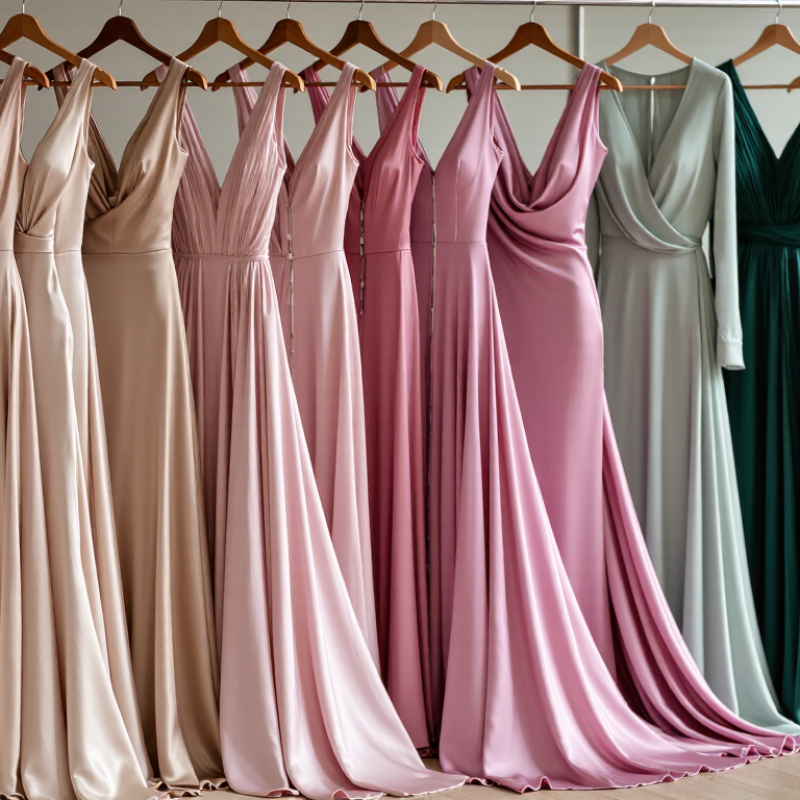
A top Chinese silk gown wholesale supplier offers more than attractive photographs and low prices. Textile Exchange’s Materials Market Report 2024 places silk below 0.2% of global fiber production. This limited supply makes fiber verification important. A reliable supplier should identify silk type, fabric weight, weave, and finishing method. Buyers should request test reports, not only verbal promises.
China remains a major center for silk production, with the International Sericultural Commission reporting that it supplies most global raw silk. That advantage supports flexible customization, skilled sewing, and practical wholesale pricing. Yet production capacity alone proves little. A professional supplier should provide clear samples, consistent color cards, measurable size charts, and inspection records. Ask about momme weight. A gown that looks fluid under showroom lights may feel thin during fitting.
Experience appears in small details. Seams should lie flat, zippers should move smoothly, and hems should remain even after pressing. Delivery schedules also need written confirmation. The supplier should explain minimum order quantities, replacement procedures, packaging, and fabric composition. Some suppliers overpromise. I have seen beautiful samples hide uneven stitching in bulk production. That risk deserves attention. Independent pre-shipment inspection can protect both quality and trust. Reliable communication matters, especially when design changes affect cost, timing, or fabric availability.

For wholesale buyers, silk gowns should balance elegance, comfort, and production consistency. Popular styles include wrap gowns, long kimono robes, slip gowns, and short lounge designs. Wrap styles suit flexible sizing, while tailored gowns create a sharper silhouette. A practical sample review matters more than a catalogue image.
Silk charmeuse gives a smooth surface and soft drape.
Silk satin offers a brighter finish, but it may show creases easily.
Habotai silk feels lighter and works well for warm climates.
Heavier silk can provide better coverage and a richer fall.
Check fabric weight, fiber content, colorfastness, and seam strength before placing bulk orders.
I have learned that beautiful fabric alone does not guarantee comfortable wear. Sometimes, the sleeve shape needs more attention than the print.
Tips:
Request a physical sample first. Test the gown under natural light. Inspect the collar, cuffs, hems, and belt loops. Ask about size grading and shrinkage control.
Custom options may include exclusive colors, embroidery, printed patterns, contrast piping, adjustable belts, and personalized measurements.
Give clear artwork files and measurement charts. Small details can prevent costly revisions.
Leave room for correction; the first design is rarely perfect.
Reliable Chinese silk gown suppliers manage quality through controlled production, not attractive samples alone. They check silk weight, weave density, color consistency, and seam strength before cutting. Experienced production teams also test fabric shrinkage and colorfastness after washing. These details matter when retailers order hundreds of gowns.
A dependable supplier usually confirms measurements with a graded size chart. Pattern makers compare the chart with physical samples before bulk sewing begins. During production, inspectors examine stitching, lining placement, zipper function, and hem accuracy. Random cartons are opened before shipment. This step can reveal repeated problems that one final inspection may miss. No workshop is perfect. A slight shade difference may still appear between fabric batches, so honest communication remains essential.
Tips: Request a pre-production sample, a fabric test report, and clear inspection photos. Ask how defects are recorded and corrected. Keep written approval for measurements, colors, and packaging. Relying only on verbal promises is risky. A supplier that explains limitations may be more trustworthy than one claiming zero defects. Regular quality feedback can improve future orders, although it requires time from both sides.
Choosing a China top silk gown for ladies wholesale supplier requires more than attractive catalog photos. Reliability appears in small, testable details. Ask for business registration information, production location, and a current quality-control process. A dependable supplier explains silk composition clearly, including whether fabric is mulberry silk, blended, or finished with synthetic fibers. Request a physical sample before discussing a large order. Check seam tension, lining, zipper movement, hem consistency, and color under daylight. I once trusted a polished sample too quickly. Bulk pieces showed uneven sleeve lengths. That mistake taught me to measure every sample against written specifications.
Evaluate communication as carefully as craftsmanship. Replies should answer questions directly, confirm measurements, and record changes in writing. Ask about minimum order quantities, sample charges, production time, packaging, and inspection arrangements. Reliable teams provide realistic dates instead of promising everything immediately. Request production photos, but do not treat them as proof of final quality. An independent inspection can check counts, stains, loose threads, and size tolerances before shipment. Payment terms also deserve careful review. Use documented invoices and avoid unclear requests for personal payments. Small warning signs matter. A missed measurement may signal weak order control, although one delay does not prove dishonesty. Keep a test order modest, compare delivered gowns with the approved sample, and record defects honestly. The evaluation may feel slower, yet it protects cash flow and customer trust.
When ordering silk gowns from a Chinese wholesale supplier, request a sample before confirming bulk production. Check the silk composition, momme weight, stitching, lining, colorfastness, and size measurements. A gown may look elegant in photos but feel thin under showroom lighting. That happened to one buyer in my sourcing work. The sample exposed uneven hems and a tighter waist than expected. Ask for clear revisions.
Pricing & Quality Pricing should include fabric quality, labor, packaging, labels, sampling fees, and possible customization. Compare the full quotation, not only the unit price. Confirm the minimum order quantity and payment schedule in writing. A lower price can hide weaker silk or limited inspection support. Request a pre-production sample and production photos. Small details matter.
Shipping plans need carton dimensions, gross weight, dispatch time, and tracking information. Air freight suits urgent orders, while sea freight usually reduces costs for larger quantities. Confirm who handles export documents, customs duties, and local delivery charges. Delays can happen during holidays or peak seasons, so leave extra time.
After-sales terms should cover defective stitching, incorrect colors, missing items, and transit damage. Agree on evidence requirements, response times, and replacement or refund procedures. Keep inspection photos, packing records, and messages. Some suppliers respond quickly before payment but slowly afterward. That risk deserves attention. A practical agreement is more valuable than a polished promise.