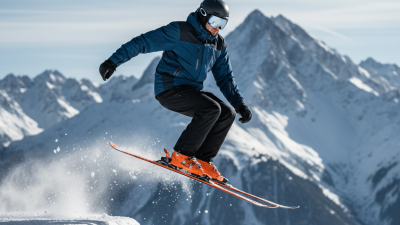
China Top Mens Ski Jacket Manufacturers for Wholesale Buyers
China’s ski market is expanding, and wholesale buyers need suppliers who can deliver more than a sharp-looking jacket. The China Tourism Academy’s 2023–2024 seasonal report estimated about 430 million visits to ice-and-snow leisure venues nationwide. That figure signals opportunity, but it does not guarantee sales for every product. Buyers still need to assess fit, warmth, durability, and pricing for their own customers.
A Mens Ski Jacket must perform through changing conditions: wet snow, cold lifts, and repeated movement on the slope. Grand View Research’s ski gear and equipment market report estimated the global market at approximately US$1.7 billion in 2023. Such forecasts offer context, not a purchasing plan. Product specifications matter more. Ask manufacturers for fabric composition, seam construction, insulation details, and test documentation. Request samples, too. A zipper tested with gloves on can reveal more than a polished product sheet.
China’s manufacturing base offers wholesale buyers a wide range of technical capabilities and order options. Yet factory claims deserve careful checking. Compare sample quality, communication, production capacity, and quality-control procedures before placing bulk orders. Lead times can shift. So can costs. This guide introduces leading Chinese manufacturers and practical points for evaluating them, including customization, minimum order quantities, and export experience. No supplier is right for every buyer. The best choice depends on the intended market, target price, and the conditions the jacket must handle.
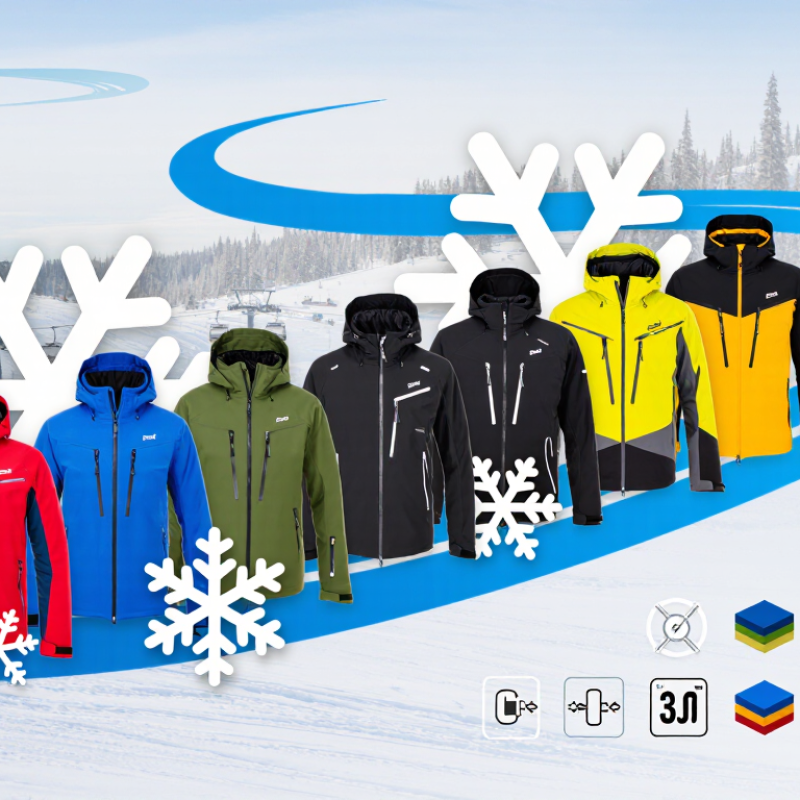
Understanding China’s Men’s Ski Jacket Manufacturing Industry
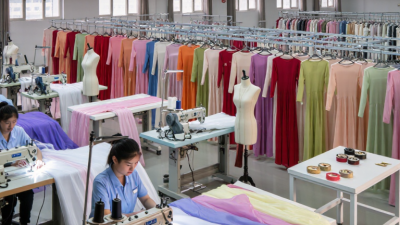
China’s men’s ski jacket manufacturing industry brings together fabric mills, trim suppliers, pattern makers, and sewing workshops. Many production hubs can source waterproof shells, insulation, zippers, and adjustable cuffs within a relatively compact supply network. That proximity can shorten development cycles. It does not guarantee consistent quality.
A practical jacket starts with its intended use. A resort style may need a durable outer fabric, sealed seams, a snow skirt, and pockets that remain accessible with gloves. Buyers should ask how water resistance is tested and whether seam-taping checks happen during production. Requesting a sample helps reveal details that spec sheets often miss, such as stiff cuffs or a hood that shifts in wind. Small things matter.
Factories may offer different minimum order quantities, sampling schedules, and customization options. Confirm which materials are available year-round; seasonal fabric changes can affect repeat orders. A clear measurement chart and approved sample reduce avoidable disagreements, though they cannot prevent every production variation. Build time for inspection into the schedule. Rushed checks are tempting, but risky. The supply chain is capable, yet communication can still be uneven, especially when technical terms are interpreted differently. A buyer who documents test methods, color references, and packaging details gives both sides a more reliable target.
Key Features and Materials Used in Men’s Ski Jackets
China Top Mens Ski Jacket Manufacturers for Wholesale Buyers
Men’s ski jackets must balance weather protection, warmth, mobility, and manageable weight. A typical construction pairs a woven face fabric with a waterproof-breathable membrane and a lining. Durable water-repellent finishes help water bead on the surface, but they can wear down with use. Ask suppliers for test results, not just “waterproof” claims. Check hydrostatic-head and breathability figures, seam sealing, zipper guards, and performance after laundering.
Material choices affect both function and sourcing. Polyester is common in shells because it is lightweight and dries relatively quickly; nylon can offer strong abrasion resistance around shoulders and cuffs. Textile Exchange’s Materials Market Report 2024 estimates that polyester accounted for 57% of global fiber production in 2023. That scale makes polyester widely available, but recycled content and fabric performance still need separate verification. For insulation, synthetic fill handles damp conditions more reliably than many down options, while down can provide warmth with less bulk. No material is perfect.
Tips: Request a sample and inspect the hood, cuffs, pocket placement, and lining seams while wearing gloves. Ask for fabric composition, insulation weight, and test methods in writing. A recycled label alone proves little. On one sample, a stiff collar may look minor; after hours on a windy lift, it can become the detail buyers remember.
How Wholesale Buyers Can Evaluate Chinese Ski Jacket Manufacturers
Wholesale buyers evaluating Chinese ski jacket manufacturers should look beyond catalog photos. Ask for a sample in the intended fabric, insulation weight, and size range. Check seam sealing, zipper movement, hood adjustment, and pocket placement while wearing the jacket over a mid-layer. Small details matter.
Request measurable product specifications, including fabric composition, water-resistance ratings, breathability data, and insulation type. Ask how these figures were tested and whether the test report matches the proposed materials. A convincing sample is useful, but it does not prove every production batch will be consistent. Review pre-production approval steps and ask how defects are recorded and corrected. Keep written records.
Factory capability also needs practical verification. Discuss monthly capacity, minimum order quantities, lead times, and how the supplier handles material substitutions. If possible, review production areas or arrange an independent inspection before bulk shipment. Ask for references from comparable wholesale orders, while recognizing that references may not reveal every problem. Communication can be imperfect, too. Send a clear tech pack, confirm key points in writing, and test the response with a small, defined development order before committing to a larger seasonal purchase.
Customisation, Minimum Orders, and Production Lead Times
China’s top men’s ski jacket manufacturers often support wholesale customisation, but clear specifications are essential. Send a technical pack with fabric weight, waterproof rating, insulation type, zipper details, and size measurements. A factory can then confirm what is practical. Color matching may require lab dips before bulk production. Embroidery, seam taping, pocket changes, and removable hoods can also affect pricing.
Minimum order quantities vary by fabric, color, and construction. A simple jacket may need fewer units than a fully engineered technical design. Ask whether the MOQ applies per style, color, or size range. This detail is often overlooked. Request a written quotation covering sampling fees, development charges, packaging, and payment stages. A pre-production sample should be checked on a real wearer, not only on a table.
Production lead times commonly include material sourcing, sample approval, bulk cutting, sewing, inspection, and shipping preparation. Confirm each stage separately. Stock fabrics may shorten the schedule, while custom membranes or insulation can create delays. Build extra time around winter selling seasons. Factory experience helps, but estimates are not guarantees. Weather, material shortages, or rejected inspections can change the plan. I would also request dated progress photos and an independent quality inspection before shipment. Small defects, such as uneven cuffs or weak seam sealing, can become expensive customer complaints.
Quality Control and Logistics for Wholesale Ski Jacket Orders
China Top Mens Ski Jacket Manufacturers for Wholesale Buyers
Quality control begins before production. Ask manufacturers for fabric composition, waterproof ratings, breathability results, and insulation weights. A dependable factory should provide test records, not only attractive samples. For snow jackets, check seam sealing, zipper strength, hood adjustment, and cuff recovery. I recommend pre-production approval, mid-line inspection, and final inspection under ISO 2859-1 sampling procedures. An AQL 2.5 plan can help control visible defects, although it is not a substitute for technical testing.
Logistics deserves equal attention. The World Bank’s 2023 Logistics Performance Index ranked China 19th globally, with a score of 3.7 out of 5. This suggests strong logistics capability, but port congestion and seasonal demand can still create delays. Wholesale buyers should confirm carton dimensions, loading photos, shipping marks, and document deadlines. Build a buffer of seven to ten days before the selling season. Small details matter. A wet carton can damage packaging and create avoidable claims.
Tips: Request one sealed production sample before bulk shipment. Test it in cold, wet conditions if possible. Record carton weight and quantity during loading. Use a third-party inspection team when order value is significant. I have seen buyers focus heavily on unit price, then discover inconsistent sleeve measurements across one shipment. That mistake is costly. Quality reports should include photos, measurements, test results, and corrective actions. Do not accept vague promises. Get every tolerance and delivery date in writing.
China Top Men's Ski Jacket Manufacturers for Wholesale Buyers
Quality Control and Logistics Planning for Wholesale Ski Jacket Orders
The chart presents a practical calendar-day planning model for a wholesale ski jacket order.
Production and logistics schedules should allow time for material approval, sample confirmation,
bulk manufacturing, final inspection, and international transportation.