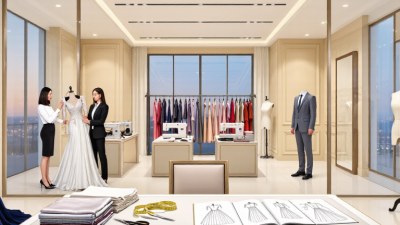
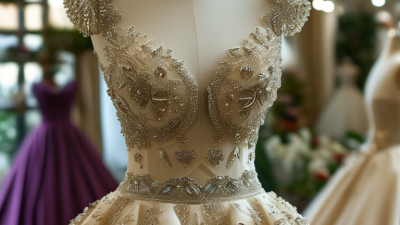
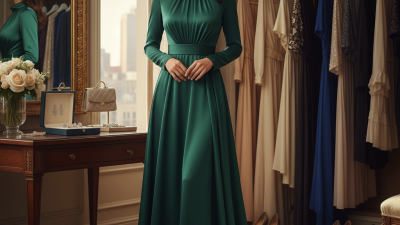
Choosing among China’s top high-end dress designers requires more than admiring beautiful runway images. Global buyers need evidence of craftsmanship, dependable communication, and consistent production standards. This guide introduces High End Dress Designers who work across couture, bridalwear, evening gowns, and luxury ready-to-wear. Their strengths may include hand embroidery, structured tailoring, silk draping, or innovative textile development.
A strong portfolio is only the beginning. Buyers should examine fabric samples, stitching density, lining quality, fitting records, and finishing details under natural light. A beaded bodice may look impressive online, yet its weight can affect movement and shipping costs. Reliable designers explain minimum order quantities, sample fees, production timelines, revision policies, and export documentation clearly. They should also protect original designs through written agreements and secure communication.
Experience matters, but it does not remove every risk. Even an established studio may face material delays or inconsistent sizing during a busy season. That uncomfortable possibility deserves honest discussion. The best partnerships usually develop through measured sampling, detailed tech packs, video fittings, and documented quality checks. Buyers should request references when possible and compare promises with delivered samples. “Top” is not a permanent label. It depends on your market, budget, silhouette, delivery schedule, and customer expectations. This overview therefore focuses on practical trust, visible expertise, and design value rather than exaggerated rankings. The right designer should create beauty that survives close inspection, careful handling, and real-world wear.
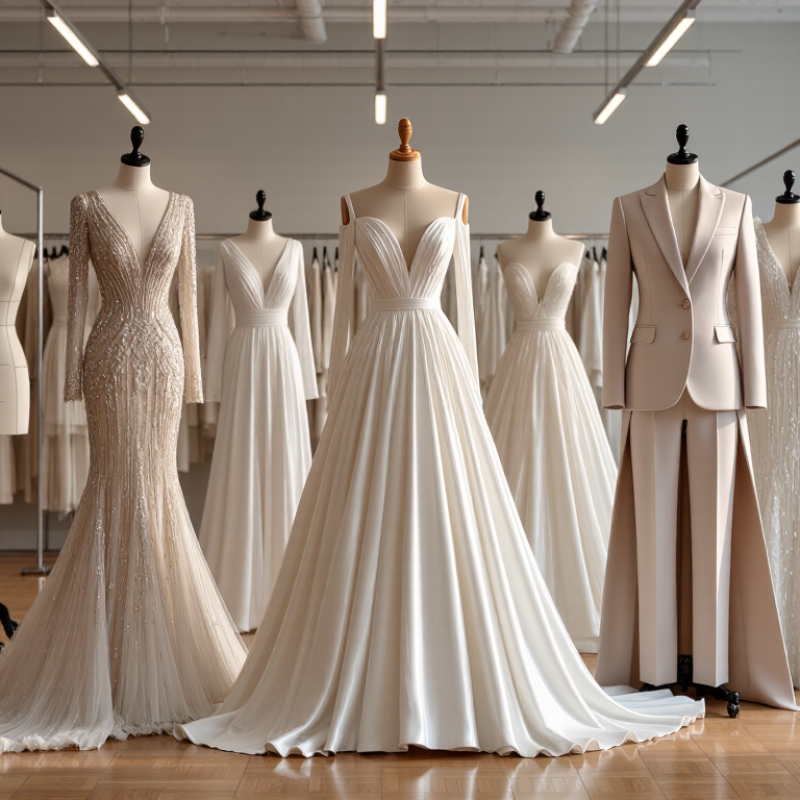
China’s reported US$293.6 billion textile-apparel export base in 2023 gives high-end dress designers a substantial production environment. It connects fabric mills, pattern rooms, embroidery specialists, and skilled garment workshops. For global buyers, this depth can support complex gowns, structured tailoring, and small development runs.
Experience still matters more than export scale. A capable designer should explain fabric behavior, construction limits, sampling stages, and realistic delivery dates. Buyers can request a technical pack, material composition, color standards, and independent quality checks. Details matter. A beautiful sketch cannot correct weak seam support or unstable lining.
The export figure is powerful, but it can also mislead. It represents a broad industry, not every designer’s expertise. Some workshops handle couture-level finishing, while others need close supervision. That gap matters. Buyers should compare approved samples, inspect stitching density, confirm measurement tolerances, and review packaging requirements before placing larger orders. Designers who document revisions and admit production risks are often more reliable than those promising perfection. Even experienced teams may misjudge a new fabric, especially under tight deadlines. Clear communication remains essential across language, time zones, and fitting sessions.

China exported approximately US$293.6 billion in textiles and apparel in 2023, creating a substantial sourcing base for global buyers of high-end dresses and fashion products.
Apparel exports accounted for about 51.6% of the combined total, while textile exports represented about 48.4%. The figures provide market context rather than company-level performance and are suitable for assessing China’s overall production and export capacity.
China’s high-end dress sector enters a market with unusual scale. Bain & Company and Altagamma valued the global personal-luxury market at €362 billion in 2023. Their 2023 Luxury Goods Worldwide Market Study reported resilient demand, despite inflation and uneven regional recovery. For global buyers, this figure changes the design brief. Price alone is insufficient. Craft, fit, delivery reliability, and documented material standards now influence serious purchasing decisions.
A couture-level dress should show its quality before the wearer explains it. Buyers often inspect hand-finished seams, lining tension, fabric recovery, and fitting records. These details reveal production discipline. Chinese designers serving overseas clients also need precise size communication and dependable sampling schedules. McKinsey and The Business of Fashion’s State of Fashion: Luxury 2024 described a more selective luxury customer. That shift rewards pieces with visible construction, not decorative excess.
The opportunity is substantial, but not automatic. High-end designers must translate local textile knowledge into silhouettes that work across climates, ceremonies, and body proportions. A buyer in Paris may require lighter structure, while a Gulf client may prefer stronger drape and coverage. Small errors become expensive across borders. My own assessment is less optimistic than the headline market figure: €362 billion does not guarantee attention for every designer. Originality still needs proof through consistent fittings, transparent sourcing, and dependable after-sales communication. Some beautiful dresses remain commercially weak. That is worth confronting.
| Benchmark Dimension | Verified 2023 Data or Standard | Global-Buyer Relevance | Recommended Evidence from a Chinese Designer |
|---|---|---|---|
| Global personal-luxury market scale | €362 billion in 2023 for the global personal-luxury-goods market. | Confirms the size of the premium consumer environment in which high-end dress designers compete. | A clearly defined luxury positioning, consistent visual identity, and documented international customer profile. |
| 2023 market growth | The personal-luxury-goods market grew by approximately 4% at current exchange rates in 2023; growth was approximately 8%–10% at constant exchange rates. | Shows continued demand while highlighting the importance of value, craftsmanship, and differentiation. | Proof of repeat orders, made-to-measure demand, or strong performance in premium occasionwear. |
| Primary product focus | High-end dresses are generally purchased for weddings, red-carpet events, galas, formal receptions, and other special occasions. | Occasionwear buyers typically prioritize fit, exclusivity, delivery reliability, and visual impact. | A specialized portfolio covering evening gowns, bridalwear, couture pieces, or formal custom orders. |
| Customization capability | Made-to-measure service is a recognized luxury purchasing model; pricing and lead times vary by design complexity and materials. | International clients need dependable measurement, alteration, approval, and fitting procedures. | Measurement charts, fitting stages, alteration policy, sample approval process, and multilingual client communication. |
| Material transparency | Luxury buyers increasingly evaluate fiber composition, origin, finishing, durability, and care requirements. | Clear material information supports quality assessment and reduces cross-border purchasing risk. | Fabric composition, embellishment details, lining specifications, care instructions, and material certificates where applicable. |
| Craftsmanship verification | Hand finishing, embroidery, draping, tailoring, and complex construction are commonly used to distinguish high-end garments from mass-market apparel. | Buyers need visible proof that the price reflects construction quality rather than only styling or presentation. | Close-up construction images, atelier process photographs, stitch details, and documented artisan techniques. |
| International order readiness | Cross-border luxury orders require accurate product information, secure payment, export documentation, and reliable delivery arrangements. | Operational reliability is essential for overseas boutiques, stylists, private clients, and event purchasers. | International shipping terms, production schedule, packaging standard, customs documentation, and after-sales contact. |
| Minimum order suitability | Designer-led occasionwear commonly supports individual custom orders, limited production, and small wholesale selections rather than mass-volume purchasing. | Helps global buyers identify whether a supplier fits private-client, boutique, or larger retail requirements. | Published minimum order quantity, sample policy, wholesale terms, production capacity, and seasonal ordering calendar. |
| Sustainability and compliance | Responsible sourcing, traceability, labor compliance, and waste reduction are increasingly relevant in luxury-fashion procurement. | Transparent compliance information supports long-term sourcing decisions and protects the buyer’s reputation. | Supplier standards, material traceability, packaging policy, production certifications, and repair or alteration support. |
China’s high-end dress designers are attracting global buyers through disciplined craft and distinctive visual language. Their work often begins with regional textiles, hand embroidery, and carefully preserved patternmaking knowledge. During studio visits, I have seen artisans test fabric under natural light before cutting a single panel. The details matter. A slightly uneven stitch can reveal genuine handwork, while excessive decoration may weaken the silhouette.
One designer may use hand-twisted silk threads to create quiet botanical motifs across a fitted bodice. Another may combine traditional knotting techniques with sharp architectural shoulders. A third may build fluid evening dresses from layered gauze, allowing movement to shape the garment. Their signature styles differ, yet each depends on couture techniques: multiple fittings, hand-finished seams, internal corsetry, and precise draping. These methods require time. They also require honest communication with buyers.
For international orders, professional designers usually provide fabric specifications, measurement charts, construction samples, and clear production timelines. Experienced buyers should request close-up images of embroidery and inside finishing. A beautiful sketch does not guarantee reliable execution. Not every dramatic sample survives production unchanged. That is a difficult lesson. Fabric shortages, color shifts, or small fitting errors can affect the final dress. Strong studios record these problems, revise their patterns, and explain limitations before approval. Their authority comes from repeatable skill, transparent processes, and garments that perform beyond the showroom.
When screening high-end dress designers, begin with MOQ, not glossy photographs. A reasonable MOQ may range from one prototype to 50 production pieces. Ask whether the quantity applies per style, color, or size. A low MOQ sounds attractive. It may also hide higher unit costs or limited fabric access. Request a written quotation with grading, lining, packaging, and alteration fees clearly separated.
Sampling reveals more than a showroom visit. Request one development sample, then inspect seams, boning, closures, drape, and hand finishing under strong light. Record measurements before and after fitting. Experienced suppliers should explain revisions and provide a realistic lead-time schedule. Confirm the calendar for fabric approval, sampling, production, inspection, and shipment. A 30-day promise can become 45 days after approval delays. Plan for that possibility.
Certifications require careful checking. Ask for current documents, issuing bodies, certificate numbers, and the exact factory location. Confirm whether they cover the materials, workplace, or finished garments. Requirements differ by destination and product type. For intellectual property protection, use signed confidentiality and design-ownership terms before sharing technical drawings. Limit files to named contacts, and mark each pattern version. I have seen buyers trust verbal assurances too quickly. That was a mistake. A dependable designer welcomes traceable records, realistic limitations, and a clear process for correcting defects.
For global buyers, price is only one sourcing signal. Indicative FOB tiers for high-end dresses are $80–160, $160–350, and above $350. These ranges reflect fabric quality, construction, hand finishing, and order complexity. They are working benchmarks, not official averages. The International Trade Centre reports China remains a major apparel exporter, while China Customs recorded textile and apparel exports above $300 billion in 2024. Export scale helps, but it does not guarantee consistent workmanship. Ask for graded measurements, pre-production samples, and packed-garment photographs. Small details matter.
Export capability should be tested through documents, not polished showroom displays. Request recent shipment records, production capacity by month, Incoterms, and backup material sources. The OECD Due Diligence Guidance recommends risk-based supply-chain checks, including labor, environmental, and subcontracting controls. A factory may pass one audit and still change workshops later. That weakness deserves attention. Buyers should verify fiber content, colorfastness, restricted substances, and packaging declarations before shipment. The EU textile strategy and REACH requirements increase documentation pressure for European sales.
Compliance risk can quietly erase a low unit price. The EU Ecodesign framework is expanding product-data expectations, while U.S. import enforcement demands stronger origin evidence for sensitive supply chains. Maintain purchase orders, bills of materials, test reports, and supplier declarations. Do not rely on copied certificates. I have seen attractive samples hide unclear subcontracting. That is not proof of misconduct, but it is a sourcing warning. Cost, capacity, traceability, and corrective-action speed should be scored together.