What Are the Top High End Dress Designers in China?
China’s high-end fashion scene is no longer defined only by European labels. It now includes designers who combine couture techniques, regional culture, and modern ceremony dressing. High End Dress Designers such as Guo Pei, Huishan Zhang, and designers from emerging Chinese ateliers are attracting attention beyond domestic markets. Their work often appears in hand-embroidered silk, sculpted shoulders, lacquer-inspired details, and carefully finished evening gowns.
Market conditions make this discussion timely. Bain & Company and Altagamma reported that China’s personal luxury goods market declined by approximately 18% to 20% in 2024. That contraction reveals a more selective customer. Buyers increasingly examine fabric quality, construction, designer identity, and long-term value. McKinsey’s State of Fashion research also describes a luxury market shaped by cautious spending and stronger demands for cultural relevance. Numbers help, but they cannot measure every stitch.
Guo Pei has said, “I want to make clothes that can be passed down from generation to generation.” That idea offers a useful standard for evaluating Chinese dress designers. A high-end gown should photograph beautifully. It should also hold its form under close inspection. However, ranking designers remains imperfect. Public visibility does not always equal superior craftsmanship. Some respected studios release little information about production, pricing, or sourcing. This guide therefore considers design language, atelier skill, material quality, international recognition, and client experience. The evidence is not flawless. Still, it provides a practical starting point for identifying China’s most influential High End Dress Designers today.
What Defines a High-End Dress Designer in China?
A high-end dress designer in China is defined by more than an impressive runway image.
Craftsmanship appears in quiet details: hand-finished seams, balanced draping, covered buttons, and lining that moves smoothly against the skin. Fit comes first. During private fittings, skilled designers study posture, movement, and personal comfort. They may adjust a shoulder by a few millimeters or reshape a waistline for natural proportion.
Professional knowledge also includes a deep understanding of China’s textile traditions and modern lifestyles.
A designer may combine silk weaving, delicate embroidery, or regional patterns with clean contemporary construction. The strongest work feels culturally informed, not decorative. It also suits real occasions, from formal ceremonies to evening events in changing weather. Practical elegance matters.
Reliability separates luxury service from attractive design.
High-end studios should explain fabric origins, production schedules, alteration limits, and care requirements clearly. They need experienced pattern makers and consistent quality control. Ethical sourcing and safe working conditions matter as well. Still, this standard is not flawless. Some expensive dresses rely too heavily on novelty, while others imitate international trends without enough individual thought. A more credible designer welcomes criticism, records fitting changes, and improves each collection through evidence rather than hype. Details matter. Tone, comfort, and construction must support the wearer long after photographs are taken.
Key Criteria for Evaluating China’s Luxury Dress Designers
What makes the top high-end dress designers in China is not runway visibility alone. Evaluation should begin with construction, originality, and reliable client experience. Bain & Company and Altagamma’s 2024 luxury study estimated that China’s personal luxury market fell by about 18–20%. This shift makes lasting value more important than short-lived publicity.
During a fitting, inspect the shoulder line, inner seams, and fabric recovery after sitting. Skilled designers usually explain pattern adjustments, sourcing choices, and expected garment life. A dress should move quietly, without pulling at the waist or exposing unfinished lining. McKinsey’s State of Fashion 2025 highlights stronger consumer demand for value, operational discipline, and responsible growth. Therefore, reviewers should examine delivery records, alteration policies, and after-sales service, not only photographs.
Material transparency matters, but it remains difficult. Textile Exchange’s Materials Market Report 2024 shows recycled polyester still represents a limited share of global fiber production. Designers should provide specific fiber content and credible supplier information. Cultural intelligence also deserves attention: Chinese references should feel researched, not decorative. My scoring would include craftsmanship, fit, design language, provenance, environmental evidence, and service consistency. No scorecard is perfect. A beautiful first fitting can still hide weak durability. Personal testing, independent reviews, and repeated wear reveal more than a dramatic showpiece.
Leading Chinese Designers Known for High-End Dresses
What Are the Top High End Dress Designers in China?
Leading Chinese designers of high-end dresses combine couture technique with a distinctly local visual language. Their work often features silk, sculpted shoulders, hand-finished knots, and delicate Suzhou-style embroidery. The best pieces feel light when worn, yet show precise construction up close. Designers also adapt traditional details for modern wardrobes, rather than copying historical costumes. This balance separates serious high-end work from decorative eveningwear.
Market data supports this shift. Bain & Company and Altagamma reported that China’s personal luxury market contracted by about 18% to 20% in 2024. The report also noted stronger interest in domestic luxury creativity and selective purchasing. That pressure may encourage designers to improve fabric sourcing, fit, and after-sales service. Still, not every dramatic gown deserves a couture label. Some designs look impressive in photographs but restrict movement. That is an important weakness to acknowledge.
Tips:
Examine the inside first. Check seam finishing, lining quality, and weight distribution. Ask whether the designer offers private fittings and alterations. A reliable atelier should explain fabric origin and care clearly. Compare the dress under daylight, not only showroom lighting. Recent industry reports show cautious luxury spending, so craftsmanship should matter more than celebrity visibility. A beautifully embroidered bodice is not enough. The wearer should still be able to sit, walk, and breathe comfortably.
Signature Styles, Craftsmanship, and Cultural Influences
China’s top high-end dress designers are recognized through details, not loud decoration. Their signature styles often balance sculpted structure with fluid movement. A fitted bodice may meet a weightless skirt, creating tension between control and ease. This contrast feels modern, yet it respects the wearer’s natural posture. In atelier work, designers test a sleeve by hand, adjusting its fall across the shoulder. The result is quietly individual.
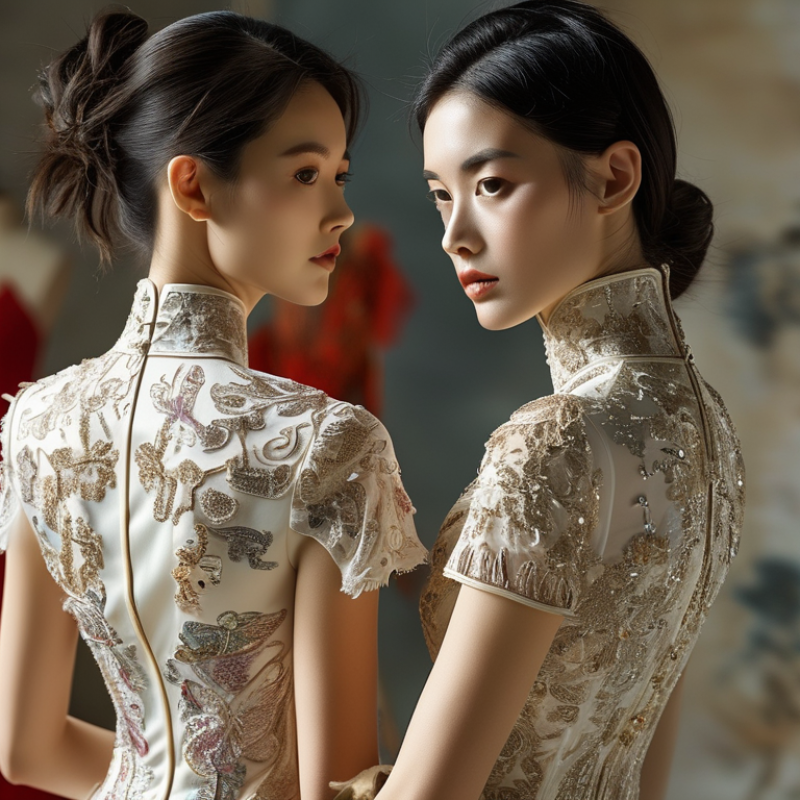
Craftsmanship begins with fabric selection and continues through patient construction. Fine silk, wool, velvet, and hand-finished lace respond differently to light and movement.
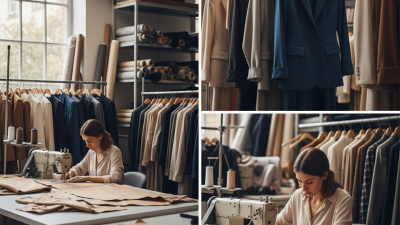
Experienced makers inspect seams, pressing lines, hems, and internal support before a garment leaves the studio. Some dresses require hundreds of hours, especially when embroidery follows a complex motif. A small irregularity can reveal human touch, but it can also signal weak quality control. That distinction matters.
Cultural influence appears in restrained ways. Designers may reinterpret cloud forms, ink-wash spacing, jade tones, or traditional fastening methods. They rarely need to copy historical clothing. Instead, familiar ideas become sharper through asymmetry, unusual proportion, or architectural draping. Regional memory also enters through weaving techniques and local craft knowledge. Still, cultural references can feel forced when used as surface decoration. The strongest work leaves room for doubt, revision, and a more honest conversation about modern Chinese identity.
How to Choose the Right Chinese High-End Dress Designer
Choosing a Chinese high-end dress designer starts with evidence, not attractive photographs. Review recent collections, construction details, and client feedback from comparable events. Ask how many fittings are included and who personally supervises them. A skilled designer should explain fabric weight, lining, boning, seams, and movement clearly. Look for formal training, atelier experience, and documented work with complex silhouettes. Experience matters when your dress must feel elegant for eight hours.
Request a consultation with measurements taken carefully, including shoulder slope, posture, and preferred heel height. Bring venue photos and describe lighting, weather, ceremony length, and cultural expectations. The designer should create a practical design, not copy a runway image. Examine fabric samples in daylight. Silk, satin, lace, and embellishments can look different indoors. Confirm sourcing, alteration limits, delivery dates, payment stages, and written design ownership. Clear documentation protects both sides and shows professional reliability.
Trust grows during fittings. Notice whether corrections are recorded and whether the designer welcomes reasonable disagreement. One uncomfortable truth: a beautiful sketch may not suit your posture or budget. I once underestimated sleeve movement when judging a dress from photographs. That mistake taught me to walk, sit, and raise my arms during fittings. Choose a professional who tests these details, admits limitations, and offers realistic alternatives. Good communication is part of the craftsmanship.