Design And Sell Clothes Online has become more accessible, but success still requires more than attractive sketches. A strong clothing business connects clear design decisions with reliable production, accurate product information, and a useful customer experience. Shopify founder Tobias Lütke once said, “The future of retail is not just online or offline, but everywhere.” His observation reflects today’s fashion market, where customers may discover a shirt on social media, inspect fabric details on a website, and complete payment from a mobile phone.
This guide explores seven practical ways to design and sell clothes online, from choosing a focused audience to creating samples, pricing products, and improving your storefront. Picture a customer zooming in on a hoodie seam, checking the size chart, and wondering whether the color matches the photograph. Small details influence trust. Clear measurements, honest images, secure checkout, and responsive support matter as much as the artwork.
No method guarantees instant sales. That is worth admitting.
A design may look impressive but fail because it feels uncomfortable, costs too much, or reaches the wrong audience. Testing limited collections can reveal these weaknesses before they become expensive inventory problems. Customer feedback may also challenge your original idea, sometimes uncomfortably. Treat that feedback as evidence, not rejection. Ethical sourcing, transparent claims, and compliance with applicable consumer, labeling, privacy, and intellectual-property requirements should guide every decision. The following strategies combine creative experience with practical e-commerce discipline, helping new and established creators build a more credible clothing brand.

A clothing business becomes clearer when its niche is specific, observable, and useful.
Instead of “fashion for everyone,” define one customer and one buying moment. You might design breathable work shirts for cyclists commuting through warm cities. Speak with ten potential buyers before sketching a collection. Ask what they wear, where fabric fails, and what they refuse to compromise. Record repeated answers, not flattering guesses. I once preferred a bold color that testers found difficult to combine. That feedback changed the palette.
Turn those findings into a practical audience profile. Note age range, daily routine, budget, fit concerns, and shopping habits. Avoid inventing details. Small surveys and honest product tests are more dependable than assumptions.
Your brand identity should express one clear promise through color, typography, photography, fabric, and tone. Keep a simple reference sheet so every product page feels related.
Show stitching, pockets, measurements, and fabric texture in close photographs. Explain care instructions accurately, and publish a size chart measured from the actual garment.
Trust grows through specifics. It can also expose weak decisions. If your message sounds fashionable but your samples feel ordinary, revise the product instead of hiding behind clever words. Leave room to learn; a niche can sharpen as real customers respond.
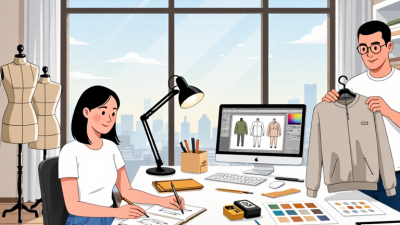
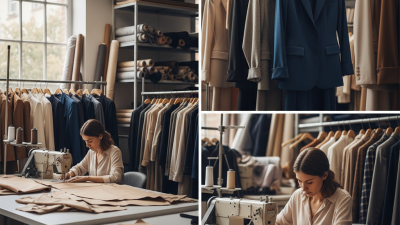
Designing clothes for online sales starts with production reality, not only visual excitement. Sketch each garment with fabric width, seam placement, and construction time in mind. A dramatic sleeve may look impressive on screen, but it can waste material and complicate sewing. Test the pattern with inexpensive sample fabric. Keep notes on shrinkage, fit, stitching, and comfort.
Small details matter.
Choose materials that support the design and the customer’s daily use. A lightweight fabric may photograph beautifully but wrinkle too easily during shipping. Confirm fiber content, care instructions, and color consistency before publishing product information. Ask a skilled pattern maker or sample sewer to review difficult shapes. Their practical feedback can prevent expensive revisions. Measure several body sizes, not just one sample size, because grading often changes the garment’s balance.
Product pages should show front, back, close-up, and worn images. Explain texture, stretch, thickness, and expected fit in plain language. Clear measurements reduce returns and build customer trust.
I once approved a collar that looked perfect in a drawing but folded awkwardly after washing. That mistake taught me to test finished garments more than once. Some designs still need refinement. Online selling rewards creativity, but reliable production keeps that creativity sustainable.
Designing clothes for online sales begins with materials that customers can understand and trust. A fabric may look soft in photographs but feel rough against skin. Request physical swatches before approving a design. Check weight, stretch, color consistency, and shrinkage after washing. For example, a 240-gram cotton jersey may suit a structured T-shirt, while lighter fabric can twist around the seams. I once approved a sample too quickly. The collar stretched after three washes. That mistake changed how I review prototypes.
Choose manufacturers who answer specific questions clearly. Ask about minimum order quantities, sample fees, production timelines, quality checks, and rejected pieces.
A reliable factory should explain how it controls stitching, measurements, and fabric defects. Compare at least two sample rounds before placing a larger order. Keep a simple measurement chart with tolerances for every size.
Small-batch cut-and-sew production offers more control, but it can cost more per garment. Print-on-demand reduces inventory risk, although fabric and fit options may be limited.
Test one product with a small group of real users. Record comments about sleeve length, comfort, packaging, and washing results.
Online photos can hide problems. Do not promise perfect consistency when handmade adjustments remain possible.
A small flaw deserves investigation, not excuses.
Keep invoices, sample notes, and inspection photos in one folder. These records make supplier conversations more precise and help you improve each future batch.
A clothing store earns trust through clear visuals and honest information. Use bright, natural lighting for every product photo. Show the front, back, fabric texture, seams, and closures. Include one image on a real person when possible. Customers need to understand the fit, not admire a polished mystery.
Write descriptions that answer practical questions. Mention fabric content, stretch, thickness, care instructions, and available sizes. Add the model’s height and worn size. A simple measurement chart can prevent avoidable returns. Avoid vague phrases like “perfect for everyone.” They sound attractive, but they rarely help shoppers choose.
I once made the mistake of using only artistic photos. The clothing looked stylish, yet shoppers asked basic questions about length and transparency. That gap showed weak product communication. Now, I check each page as a first-time buyer would. Can someone identify the color accurately? Can they imagine the fabric against their skin? Small details matter. So does consistency. Use similar backgrounds, image angles, and naming patterns across the store. Leave room for doubt, too. Some screens display colors differently, so describe shades carefully instead of promising exact matches.
7 Best Ways to Design and Sell Clothes Online?
Customer feedback should shape clothing before it reaches a wider audience. Ask buyers to review fit, fabric feel, color accuracy, and delivery condition. Keep the questions specific. “Was the sleeve tight?” beats “Did you like it?” The Baymard Institute reports average cart abandonment at 70.19%, so confusing size guidance can quietly erase demand. Add garment measurements, model height, and a simple fit video. Then compare returns with review comments. If many customers mention tight shoulders, adjust the pattern, not the customer. This is where practical experience matters: feedback often describes a symptom, while measurements reveal the cause.
Use verified reviews beside each size and color option. PowerReviews’ 2023 research found that 98% of consumers view reviews as an essential purchase resource. Cite the source clearly on the page. Invite criticism, too. Perfect praise looks less believable. A useful test is to launch a small batch, tracking clicks, conversion, returns, and repeated complaints. Change one variable at a time, such as hem length or product photography. The McKinsey State of Fashion 2024 report describes cautious, value-focused shoppers, making clear quality evidence especially important. Do not delete an awkward review unless it violates stated moderation rules. That may improve appearance, but weaken trust. Feedback can also mislead when sample sizes are tiny. Wait for patterns. Then improve the garment, listing, and service together.