Choosing the right Custom Shirt Manufacturers in 2026 takes more than comparing prices or browsing polished product photos. A reliable partner should turn a design brief into shirts that fit consistently, feel comfortable, and arrive when promised. The details matter: collar shape, fabric weight, button spacing, seam finish, and how a sample holds up after washing. Small differences show.
This guide looks at manufacturers through practical questions buyers can verify. Can the supplier explain its fabrics and construction options? Does it provide clear samples, realistic production timelines, and responsive updates? Are minimum order quantities and customization limits stated plainly? These checks help brands, retailers, and teams compare suppliers without treating every promise as proof. A low quote may leave out setup fees or shipping, so request a complete estimate before deciding.
The best choice depends on the job. A startup testing a small collection may value flexible order sizes, while an established label may need repeatable sizing across larger runs. Ask for measurements, inspect stitching, and confirm how revisions are handled. A sample is useful, but it cannot answer every question. That judgment can be wrong. Even a polished supplier page offers limited evidence until communication and production are tested. The manufacturers worth considering are those that explain trade-offs honestly and make quality checks part of the process. This overview will help readers assess the options with care, rather than rely on rankings alone.
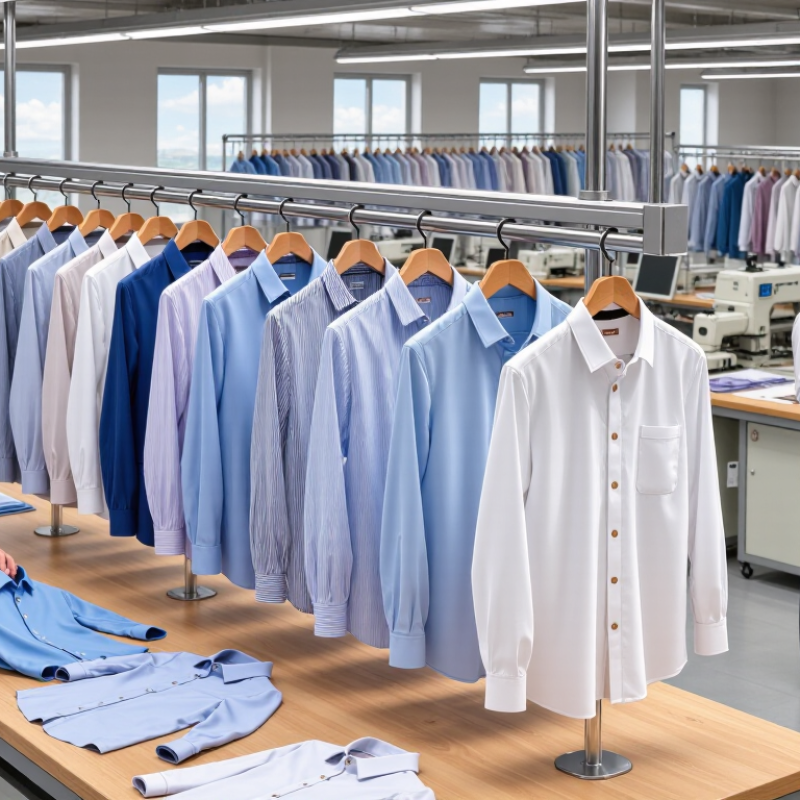
Custom shirt manufacturers turn a design idea into a repeatable garment.
They review measurements, fabric preferences, colors, trims, and expected order quantities. Clear specifications help prevent costly misunderstandings.
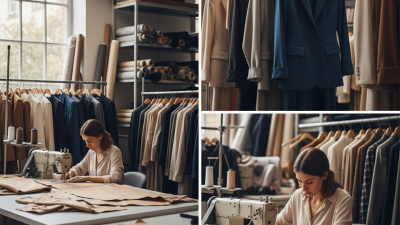
Fit comes first. A manufacturer may draft a pattern from a size chart, then sew a sample for review.
The sample reveals practical issues, such as a collar that curls or sleeves that restrict movement.
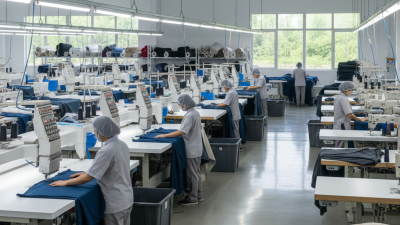
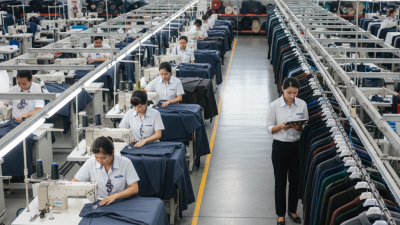
Once approved, the pattern is graded into sizes and materials are prepared for production. Teams inspect fabric for flaws, cut multiple layers, and assemble shirts at sewing stations.
They may add buttons, labels, and finishing details before pressing and packing each order.
Stitch spacing, button placement, and seam strength affect both appearance and wear.
Quality checks can happen during sewing and again before shipment, though methods vary between facilities.
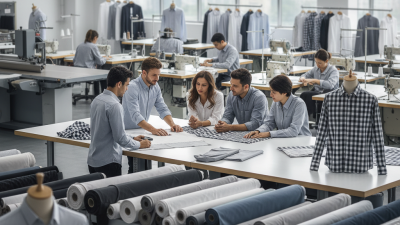
Good manufacturers explain their process, production capacity, sample costs, and likely timelines before an order begins. Buyers can ask how fabric shrinkage is tested and what happens when a finished shirt differs from the approved sample.
A first sample is rarely perfect. Adjustments may take time, and communication can still become confusing when measurements or feedback are vague.
Sharing marked-up photos and a precise measurement sheet makes revisions easier to track.
Choosing a custom shirt manufacturer in 2026 means checking more than a polished sample. Ask how fabric weight, fiber content, shrinkage, and colorfastness are tested. Request a size set, not just one fit sample. A sleeve that twists after washing is a real warning sign. Small details matter.
Review the production process, including pattern development, grading, cutting accuracy, and stitching tolerances. Ask for recent examples using similar fabric and construction, then compare seam density, collar shape, and button attachment. Inspect the stitching. Confirm minimum order quantities, sample fees, lead times, and how delays are reported. Clear answers beat confident promises. Ask who checks defects and what happens when pieces fail inspection.
Pricing should explain fabric, trims, packaging, and shipping separately. A low quote can hide thin fabric or costly revisions. Check whether an approved order can be repeated months later using documented measurements and color references. Responsibility claims deserve evidence, such as supplier records or audit summaries, rather than broad assurances. Even a careful checklist has limits; a rushed sample review can still miss problems that appear after washing.
Custom shirt manufacturers differ less by their machines than by the problems they solve. Made-to-measure specialists focus on accurate body measurements, pattern adjustments, and small production runs. Ask how they handle uneven shoulders or sleeve-length changes. A size chart alone is not enough. Private-label factories usually specialize in repeatable bulk orders, fabric sourcing, and consistent stitching across larger batches. Performance-focused makers may offer stretch fabrics, moisture control, or reinforced seams for uniforms and active workwear.
Material expertise matters, too. Textile Exchange’s Materials Market Report 2024 estimates that global fiber production reached 124 million tonnes in 2023. That scale makes a factory’s sourcing choices worth checking, not just its sample quality. Ask for fiber-content records, fabric test results, and clear minimum-order quantities. Small-batch workshops may allow more design control, but their unit costs can be higher. No perfect supplier exists.
UNEP reports that the world generates about 92 million tonnes of textile waste each year. This is a reason to ask manufacturers how they manage cutting scraps and production overruns, rather than accepting vague sustainability claims. Request a pre-production sample and inspect the collar, cuffs, button spacing, and seams after washing. A sample can look excellent and still shrink. That detail is easy to miss. Compare lead times and remake policies in writing; a low quote means little if fit corrections become costly.
| Manufacturer Profile | Primary Specialty | Common Capabilities | Best Suited For | What to Verify |
|---|---|---|---|---|
| Full-package woven-shirt factory | Coordinating fabric sourcing, pattern development, cutting, sewing, finishing, and packing for woven shirts. | Custom patterns, collar and cuff options, labels, buttons, and production planning. | Brands seeking a single production partner for a complete woven-shirt program. | Sample approval process, fabric availability, quality-control procedures, minimum order requirements, and production lead times. |
| Made-to-measure shirtmaker | Producing shirts to individual measurements or adjusted base patterns. | Measurement records, fit adjustments, fabric and style selection, and repeat-order support. | Tailoring businesses, personalized retail programs, and customers who need a more individualized fit. | How measurements are collected, fitting and alteration policies, pattern retention, and consistency between orders. |
| Small-batch cut-and-sew workshop | Flexible production runs and product development for emerging labels or limited collections. | Prototypes, pattern adjustments, short production runs where offered, and varied construction details. | New brands testing designs or businesses ordering limited quantities. | Actual minimum quantities, sample and development charges, capacity, and whether materials must be supplied by the buyer. |
| Performance-shirt specialist | Shirts designed around functional fabric properties such as stretch, moisture management, or easy care. | Technical-fabric sourcing, performance-focused construction, and testing documentation when available. | Outdoor, travel, active, and work-related shirt collections that require specific fabric performance. | Fabric test results, care instructions, applicable chemical or safety requirements, and evidence for performance claims. |
| Natural-fiber and organic-material specialist | Shirts made with materials such as cotton, linen, or other specified natural fibers. | Material sourcing, fabric-weight options, and documentation for certified materials when applicable. | Collections with defined fiber preferences or verified material-sourcing requirements. | Fiber composition, current certification scope, chain-of-custody documents, and whether certification covers the specific fabric or finished product. |
| Uniform and workwear producer | Repeatable shirt production for staff uniforms and occupational use. | Logo application, consistent replenishment, specification control, and options for durable construction. | Businesses, hospitality teams, service organizations, and uniform distributors. | Wash and wear-test results, size range, replenishment arrangements, logo durability, and any required workplace standards. |
Choosing a custom shirt manufacturer starts with the production model, not a polished sales photo. Cut-and-sew production offers more control over fabric, fit, and details, but usually needs clearer specifications. Print-on-demand can suit small runs and frequent design changes. The trade-off may be fewer fabric and construction choices. Ask how each option handles pattern changes, size grading, and repeat orders.
Services vary widely. Some manufacturers source fabric, make samples, sew, and arrange packing; others expect you to supply materials and technical files. Request a sample with the actual fabric, buttons, collar, and stitching you plan to order. Check shrinkage after washing and compare measurements with your spec sheet. A neat sample is useful, but it cannot prove every production batch will match. Ask how defects are recorded and corrected.
Minimum order quantities can apply per style, color, or size, so get the terms in writing. A low minimum may carry a higher unit price, while larger runs can tie up cash in unsold stock. That matters. Before committing, request a clear quote covering sample fees, fabric costs, lead times, and shipping. Compare the full process, not just the opening price. Some details still change once production begins. That is worth planning for.
Minimums shown are indicative planning benchmarks, not guaranteed factory requirements. Actual order quantities vary with fabric availability, customization, sizing, and production method. Made-to-order services may accept single-piece orders; cut-and-sew production commonly requires larger runs.
Choosing a shirt manufacturer starts with defining the job clearly. Note the fabric, fit, size range, stitching, and expected order quantity. A useful tech pack includes measurements and close-up images of important details, such as collar shape or button spacing. Small details matter.
Ask how the factory handles samples, revisions, and quality checks. Request a sample made with the intended fabric, then compare its measurements with your specifications. Check seams, buttonholes, shrinkage, and how the collar sits after washing. One sample is not a guarantee. Ask what happens if bulk production differs from the approved version, and how defects are recorded and addressed.
Compare quotes line by line, including fabric, labels, packaging, sample fees, and shipping. A low price can look attractive, but it may exclude work you assumed was included. That assumption is easy to make. Confirm minimum quantities, lead times, production capacity, and who will answer questions during manufacturing. Clear, specific replies are a useful signal, though not proof of reliable production. If a detail remains uncertain, get it in writing before paying a deposit. A little extra time reviewing the agreement can prevent costly surprises later.