





What Was 80s Fashion?
Key Elements of 80s Fashion
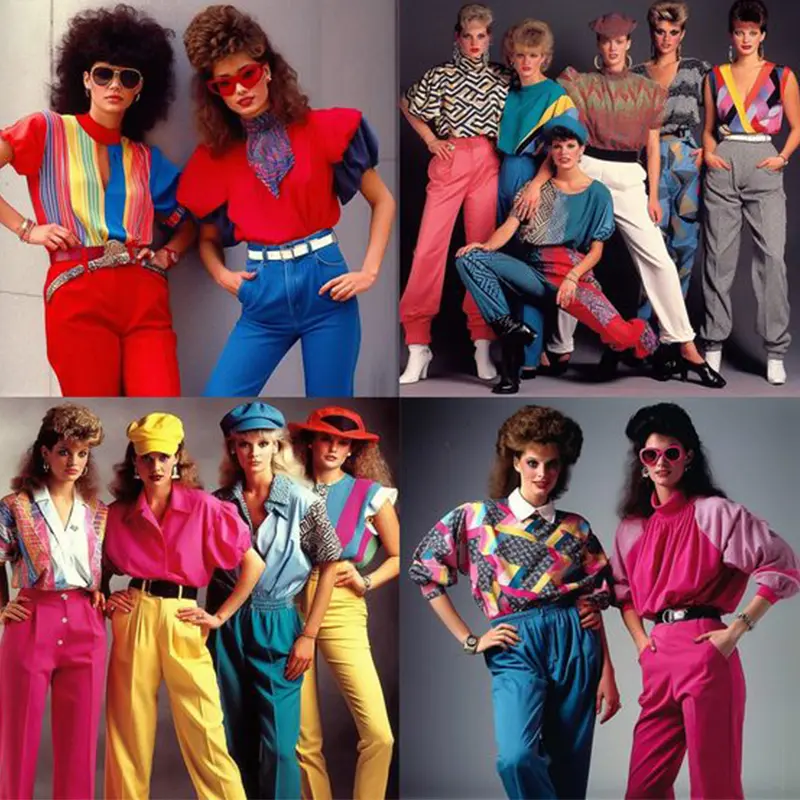
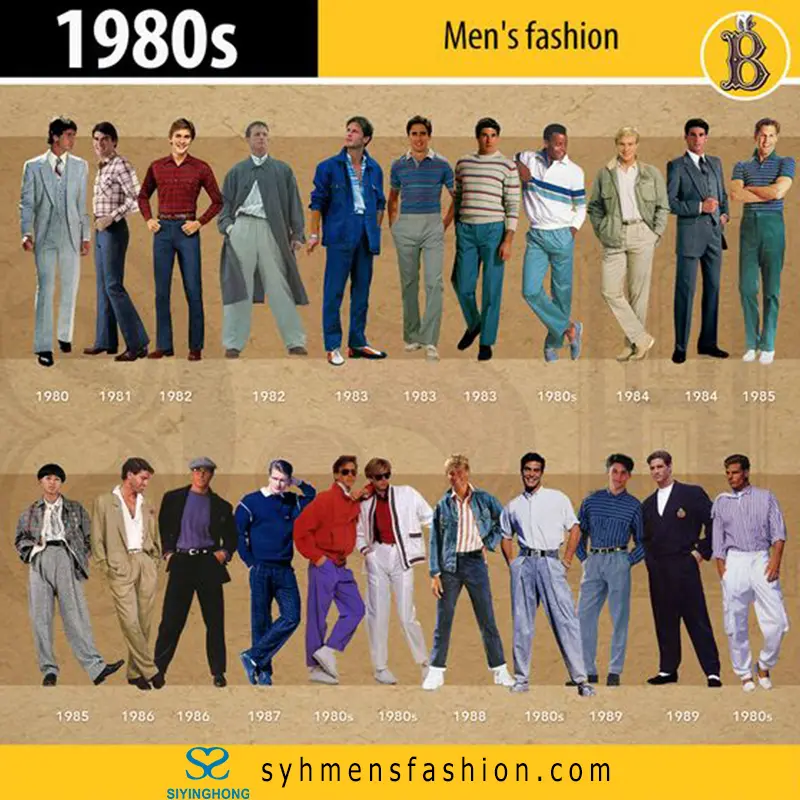
1.Bold Colors and Patterns: The 80s were all about making a statement with vibrant colors and eye-catching patterns. Neon hues, geometric shapes, and abstract prints were commonplace, reflecting the decade's exuberance and willingness to push fashion boundaries.
2.Exaggerated Silhouettes: Oversized and exaggerated silhouettes dominated the fashion scene. From shoulder pads that emphasized a strong, broad-shouldered look to voluminous skirts and pants, the 80s embraced a larger-than-life aesthetic.
3.Luxurious Fabrics and Textures: The use of luxurious fabrics such as velvet, satin, and leather was prevalent. These materials added a sense of opulence and sophistication to everyday wear, while also being incorporated into more casual and edgy styles.
4.Accessorizing to the Max: Accessories played a crucial role in 80s fashion. Chunky jewelry, statement belts, and oversized sunglasses were essential for completing an outfit. The mantra seemed to be "the bigger, the better," and this extended to everything from earrings to hair accessories.
Iconic Trends of the 80s
1.Power Dressing: One of the most defining trends of the 80s was power dressing. This style was characterized by tailored suits with sharp lines and strong shoulder pads, often paired with blouses featuring ruffles or bows. Power dressing symbolized women's growing presence in the corporate world and their desire to project confidence and authority.
2.Punk and New Wave: The punk movement of the late 70s carried into the 80s, influencing fashion with its rebellious and anti-establishment ethos. Leather jackets, ripped jeans, and band t-shirts were staples of punk fashion. New Wave, a subgenre of punk, added a more eclectic and colorful twist with skinny ties, vibrant makeup, and asymmetrical haircuts.
3.Athleisure and Fitness Craze: The fitness craze of the 80s brought athleisure into the mainstream. Leg warmers, spandex leggings, and leotards became everyday wear, inspired by the popularity of aerobics and dance workouts. Brands like Nike and Adidas rose to prominence, blending fashion with function.
4.Preppy Style: Preppy fashion, influenced by Ivy League colleges, emphasized clean-cut and conservative looks. Polo shirts, khaki pants, cable-knit sweaters, and loafers were key elements. This style exuded a sense of affluence and timeless elegance.
5.Glam Rock and Heavy Metal: The influence of glam rock and heavy metal music scenes led to fashion trends that were bold and theatrical. Glittery fabrics, platform boots, tight leather pants, and dramatic makeup were all part of this subculture's aesthetic.
6.Hip Hop Fashion: The emergence of hip hop culture in the 80s had a profound impact on fashion. Baggy pants, oversized jackets, bucket hats, and chunky gold chains became iconic symbols of this genre. Brands like Adidas and Puma were embraced by hip hop artists and fans alike.
Cultural Influences on 80s Fashion
1.Pop Culture and Media: Television shows, movies, and music videos were major influencers of 80s fashion. Shows like "Miami Vice" and "Dynasty" popularized pastel suits and glamorous evening wear. Music icons like Madonna, Michael Jackson, and Prince set trends with their distinctive styles, inspiring millions of fans.
2.Economic Prosperity: The 80s were marked by economic growth and consumerism, particularly in the Western world. This period of prosperity fueled a desire for luxury and opulence in fashion. Designer labels like Versace, Chanel, and Armani became symbols of status and wealth.
3.Technological Advances: Advances in technology and manufacturing allowed for the creation of new synthetic fabrics and innovative designs. Lycra, for example, revolutionized activewear by providing stretch and comfort, which was essential for the decade’s fitness trends.
4.Political Climate: The political climate of the 80s, including the Cold War and the rise of conservative governments in the US and UK, influenced fashion. The power suit, for instance, was a reflection of the era's emphasis on professionalism and economic ambition.
Legacy of 80s Fashion
The impact of 80s fashion continues to be felt today. The decade's boldness and creativity have inspired contemporary designers to revisit and reinterpret 80s styles. Elements such as oversized blazers, neon colors, and athleisure wear remain popular in modern fashion. Additionally, the 80s emphasis on individual expression and breaking traditional fashion rules paved the way for the diverse and inclusive fashion landscape we see today.
Conclusion
80s fashion was a vibrant and transformative period marked by bold choices, cultural influences, and a spirit of experimentation. From power suits and punk rock to athleisure and hip hop, the decade offered a diverse array of styles that reflected the social and cultural shifts of the time. The legacy of 80s fashion continues to inspire and influence the fashion industry, reminding us of a time when style was all about making a statement and having fun. As we look back on this iconic era, it's clear that the 80s were a time of unparalleled creativity and sartorial freedom.