



Sourcing a Clothing Manufacturer: A Pro's Handbook
Launching your own fashion label is a thrilling adventure! There’s magic in turning a sketch on paper into something people can wear—and nailing the right manufacturing partner makes all that possible. Whether you’re set on U.S.-based producers or exploring global options, this guide will help bridge the gap between your vision and retail-ready garments.
By the end, you’ll navigate from defining your needs to sealing the perfect manufacturing deal with total confidence.
Quick Wins
●Pinpoint exactly what your brand needs and who it’s for.
●Balance ethics, sustainability, and budget when picking a manufacturer.
●Use online tools and directories to widen your search.
●Lean on industry connections, referrals, and events to find hidden gems.
●Weigh the pros and cons of local vs. international production.
Getting Clear on Your Audience and Manufacturing Must-Haves
Your fashion journey starts with knowing who you’re designing for. Are you crafting pieces for trend-chasing Gen Z or minimalist professionals? This isn’t just about demographics—it shapes every choice from fabric to production scale. A sharp focus helps your brand click with the right people.
Nailing Your Design Vibe
Your brand’s aesthetic is its fingerprint. Whether it’s edgy streetwear or timeless basics, sticking to that vibe attracts your tribe and makes you unforgettable. Think: fabrics, color palettes, and details that scream “this is us”—that’s how you build loyalty.
Figuring Out How Much to Make
Miscalculating production runs can sink a new brand. Most startups play it safe with under 100 units first—smart, since 40% of new clothing lines fail because they overproduce. Start small, test the waters, and scale as demand grows.
Budgeting Like a Pro
Your manufacturing budget needs to cover more than just materials. Samples, minimum order quantities (MOQs can range from 200 to 2,000+), and unexpected costs all add up. Crunching these numbers upfront avoids cash flow headaches later. Plus, negotiating well with Manufacturers keeps things on track—even when deadlines get tight.
Why Ethics and Sustainability Matter Now
Eco-friendly and fair manufacturing isn’t a trend anymore—it’s a trust builder. Brands that go green attract conscious shoppers and help the planet. It’s a win-win.
The Lowdown on Ethical Production
Ethics mean ensuring workers get fair pay, safe conditions, and respect. Certifications like Fair Trade aren’t just badges—they prove you’re part of fixing an industry with a history of exploitation.
Going Green in Production
Sustainability starts with small choices: organic cotton uses 90% less water than conventional. Tech like zero-waste pattern cutting or 3D sampling slashes waste. Natural dyes? They’re non-toxic and break down easily.
| Practice | Eco Impact |
| Organic Cotton | Cuts water use by 90% |
| Recycled Polyester | Uses less energy and water |
| Zero-Waste Cutting | Eliminates fabric scraps |
| Natural Dyes | Biodegradable and safe |
| LED Lighting | Slashes energy use |
| Heat Recovery Systems | Reuses waste heat, reducing fossil fuels |
Boosting Your Brand’s Rep
Today’s shoppers dig deep—they want brands that walk the talk. Prioritizing ethics and sustainability doesn’t just attract customers; it keeps them. Initiatives like the Better Cotton Initiative are leading the charge, and joining that movement makes your brand memorable.
Scouring Online Platforms and Directories
In the digital age, finding manufacturers isn’t about cold calls anymore. Online tools connect you to options worldwide, fast. Let’s break down how to use them.
Alibaba vs. Maker’s Row
Alibaba’s a global marketplace with endless options—great for comparing prices and scaling up. Maker’s Row, though, is your go-to for U.S. manufacturers, especially if you need small batches or premium, ethical work.
Both let you filter by MOQs, lead times, and skills, so you skip the mismatches.
Checking Local Listings
Local directories like ThomasNet or Makers Unite help you find nearby factories. Why? Faster shipping, easier factory visits, and clearer communication. Plus, supporting local businesses feels good—and customers notice.
Reading Reviews Like a Detective
Never partner without checking feedback. Real reviews reveal if a manufacturer hits deadlines, maintains quality, or drops the ball. Alibaba shows star ratings; Maker’s Row features case studies from Other Brands. Red flags here save you big headaches later.
| Platform | Perks | Best For | Fun Fact |
| Alibaba | Global reach, tons of options | Large orders, diverse styles | Orders spiked 69% during last year’s “Super September” |
| Maker’s Row | U.S.-focused, small-batch friendly | High-quality, ethical production | Detailed success stories from other brands |
| ThomasNet | Industry-specific | Finding U.S. suppliers quickly | Great for local, niche needs |
The U.S. fashion industry will hit $385 billion by 2025—so the right partner isn’t just a vendor; they’re a growth driver. Good partnerships boost productivity by 17% and profits by 21%, so investing time here pays off.
Networking and Word-of-Mouth: The Secret Sauce
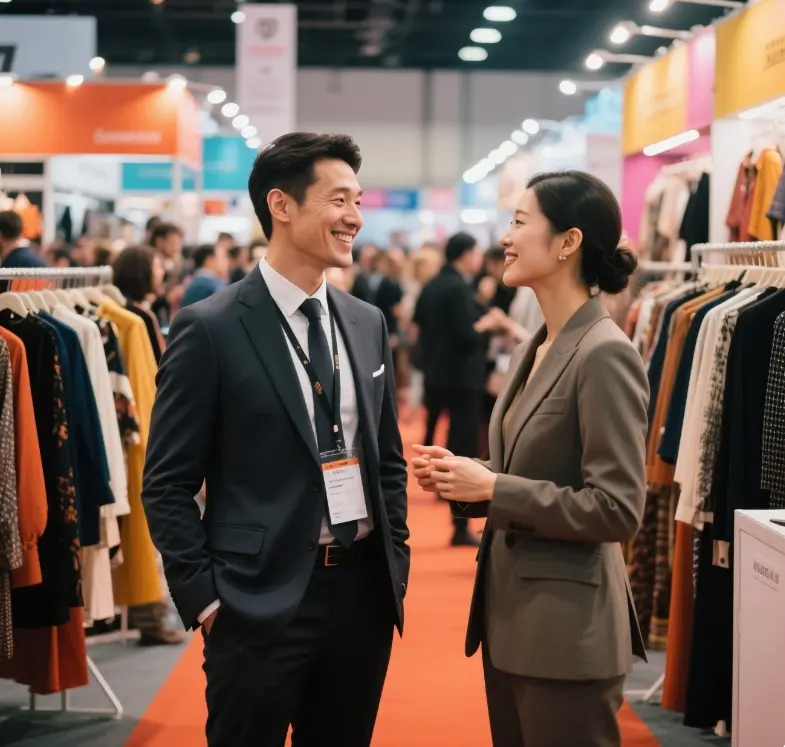
In fashion, who you know matters as much as what you make. Industry mixers, trade shows, and casual chats can uncover manufacturers no directory lists. And let’s not forget referrals—90% of people trust a friend’s recommendation over an ad.
Word-of-mouth is gold: 77% of shoppers try new brands because someone they know raves about them. Even online reviews carry that weight—84% trust them as much as a pal’s tip. For small brands, 70% say referrals are their top way to land clients.
| Stat | Number |
| Trust in friend/family recs | 90% |
| Likely to try new brands via recs | 77% |
| Online reviews as trusted as personal tips | 84% |
| Small businesses’ top new client source | 70% (word-of-mouth) |
| Quality matters most in recs | 78% |
Building relationships isn’t just polite—it’s how you find manufacturers who get your brand.
Trade Shows: Where Deals Happen IRL
Fashion trade shows aren’t just for showing off collections—they’re where you shake hands with potential manufacturers. These events are game-changers for growing your network.
Why Meeting Face-to-Face Works
●Trust forms faster when you’re in the same room.
●60% of attendees are decision-makers—no more endless email chains.
●You can suss out if a manufacturer aligns with your brand’s values in minutes.
●Half of small fashion brands find their manufacturer at these events.
●And manufacturers prefer it too—65% say in-person meetings beat virtual ones.
Teaming Up with Design Schools
Universities and design programs are hotbeds of fresh ideas. Partnering with them gives you access to:
●Cutting-edge textile tech and pattern-making innovations.
●Collaborations with standout students—future industry stars.
●Projects focused on sustainable fashion, blending creativity with responsibility.
Take the University of Leeds’ partnership with Inditex—they co-create courses on sustainability, turning classroom ideas into real-world solutions. Internship programs let you spot talent early, too.
Tuition varies—40,680 at Thomas Jefferson University, 23,230 for out-of-staters at Iowa State—but the payoff in innovation? Priceless.
Why Local Manufacturers Rock
Domestic production comes with perks that matter:
●Speed: No waiting for overseas shipping—get products to customers faster.
●Clarity: No language barriers, so details don’t get lost.
●Pride: Supporting local jobs builds goodwill with customers who care about community.
| Perk | How U.S. Manufacturers Deliver |
| Quality | Regular checks mean fewer defects. |
| Savings | Lower shipping costs and no import taxes. |
| Green Cred | Shorter supply chains = smaller carbon footprint. |
| Community | Creates jobs and fuels local economies. |
When Overseas Manufacturers Make Sense
International factories have their own superpowers:
●Cost: Countries like China, Bangladesh, and Vietnam offer lower labor costs—China alone exported $154 billion in textiles last year.
●Specialty Skills: Some overseas factories master intricate designs or luxury techniques that set your brand apart.
●Scale: They handle big orders effortlessly, perfect if you’re gearing up for a major launch.
Step-by-Step: Finding Your Manufacturer
The global clothing market will hit $2 trillion by 2026—plenty of options, but how to choose?
1.Know your needs: Style, quantity, quality standards.
2.Research: Use platforms like Maker’s Row or Kompass to vet capabilities.
3.Hit events: Trade shows let you gauge fit in person.
4.Weigh local vs. overseas: U.S. quality vs. international scale?
Emerging markets are booming too—India’s fashion industry grows 20.8% yearly, and 20% of Turkey’s workforce is in textiles. Opportunities abound.
Vetting: How to Pick a Winner
Don’t sign on the dotted line without testing the waters.
Samples Tell All
Requesting samples is non-negotiable. They show if a factory nails your vision—fabric, stitching, all of it. Come prepared with reference pieces or a tech pack to avoid missteps. And factor in lead times—some factories work faster than others.
Check Their Rep
Dig into reviews and references. Sites like Wonnda vet 20,000+ suppliers, so you can read real feedback. Red flags? Late deliveries, shoddy work—save yourself the hassle.
Audit Their Supply Chain
Visit factories if you can. Look for certifications (like ISO) that prove they care about quality and ethics. Understand their production timelines—both for samples and full runs.
Finding the right manufacturer takes work, but it’s worth it. With these steps, you’ll partner with someone who turns your designs into exactly what your customers want.