





Launching a T-Shirt Business: A Comprehensive Guide from Market Insight to Operational Execution
With the custom t-shirt market valued at $5 billion and projected to grow at an 11% annual rate through 2030, this blue ocean presents a prime opportunity for entrepreneurs. However, mastering the methodology of t-shirt entrepreneurship is key to seizing this potential. This guide navigates the full spectrum from niche positioning to supply chain setup, design strategies to digital operations, offering a complete business blueprint for both novices and industry veterans. Whether you’re exploring the t-shirt startup landscape for the first time or seeking business expansion, these practical insights will help your brand stand out in a competitive market.

Core Business Insights
- Market Trajectory: The custom t-shirt market is expanding at an 11% CAGR, with growth expected to continue through 2030.
- Differentiation Strategy: Focus on vertical niches (e.g., "funny t-shirts for pet owners") to build brand distinctiveness.
- Data-Driven Validation: Leverage tools like Facebook IQ for in-depth audience insights and niche feasibility analysis.
- Supply Chain Optimization: Evaluate cost-effectiveness across screen printing, heat transfer, and DTG printing methods.
- Light-Asset Model: Integrate print-on-demand (POD) services to streamline production and logistics.
Step 1: Precision Niche Positioning
The Strategic Value of Niche Selection
Choosing the right t-shirt market niche is the cornerstone of brand success, enabling precise audience targeting, optimized marketing resources, and built-in customer loyalty:
- Establishes professional authority in a specific domain
- Facilitates tailored marketing strategies
- Enhances customer retention and lifetime value
Building Your Target Audience Profile
Lock in your core demographic through a three-tier research framework:
- Keyword Analysis: Use Google Trends to identify search momentum in your niche.
- Social Listening: Analyze user behavior and preferences on Instagram/Facebook.
- Competitor Reverse Engineering: Deconstruct top market players’ product strategies and service gaps.
Demand Validation Methodology
| Validation Method | Operational Focus | Application Scenario |
| Questionnaire Survey | Design purchase intent and preference rating scales | Pre-new category launch |
| Focus Group Interviews | Invite target users for in-depth discussions | Product concept testing |
| Industry Report Analysis | Study market data from agencies like Euromonitor | Macro-trend assessment |
Step 2: End-to-End Supply Chain Construction
Creative Design Strategies
- UGC Co-Creation Model: Launch user design contests to reduce original costs and boost engagement.
- Trend Tracking Tools: Capture color and pattern trends via platforms like WGSN.
- Copyright Compliance: Use to avoid legal risks.
Printing Technology Decision Matrix
| Technology Type | Minimum Order Quantity | Design Complexity | Cost Advantage | Ideal Applications |
| Screen Printing | 50+ units | Low (≤4 colors) | High-volume cost efficiency | Brand merchandise, event apparel |
| DTG Printing | 1+ units | High | Flexible small-batch customization | Personalized orders, e-commerce retail |
| Heat Transfer | 10+ units | Medium | Excellent detail reproduction | Small-batch personalized items |
| Sublimation | 20+ units | High | Full-surface printing advantage | Sportswear, outdoor gear |
Supply Chain Management Essentials
- Fabric Selection: Organic cotton (premium market), cotton-poly blend (cost-effective), recycled polyester (eco-friendly positioning).
- Quality Control: Implement AQL sampling standards, focusing on colorfastness and shrinkage rates.
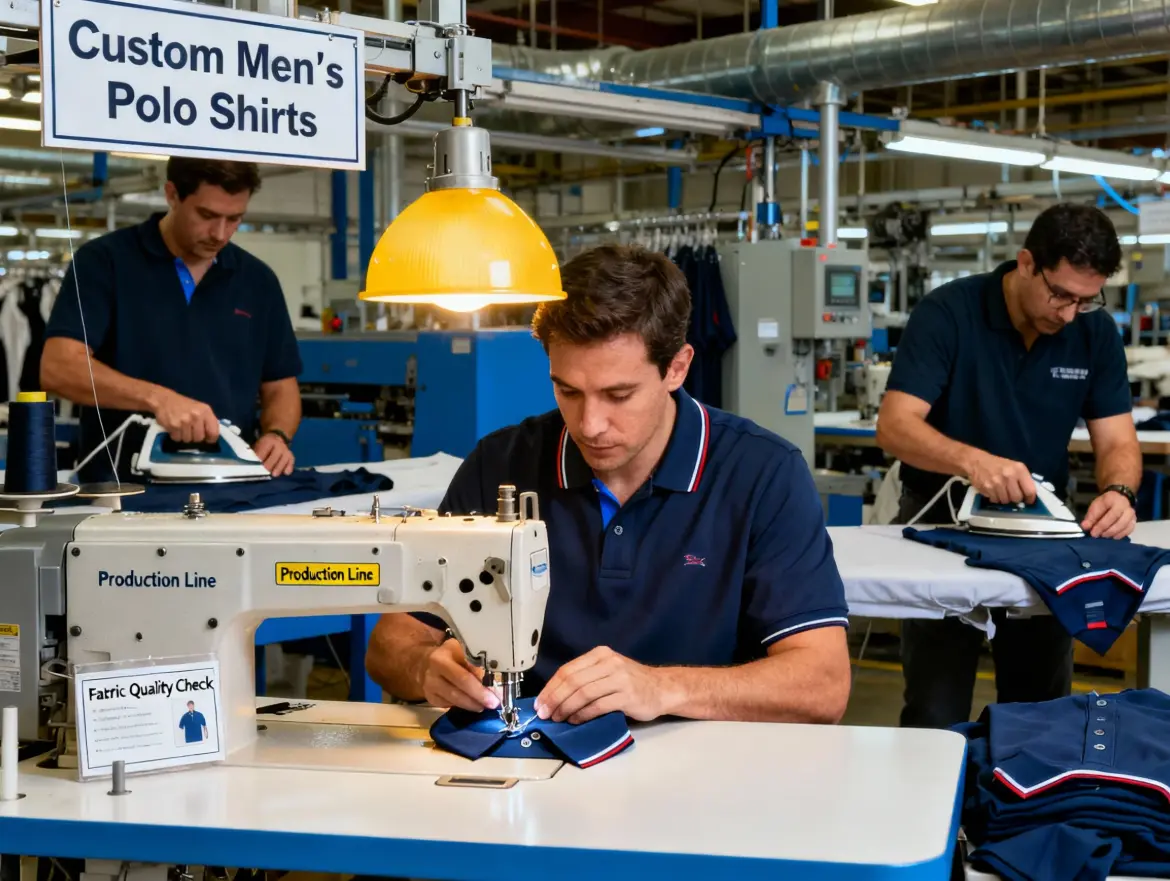
- Agile Production: Partner with factories supporting small-batch rapid response to minimize inventory risks.
Step 3: Building a Digital Retail Ecosystem
E-commerce Platform Selection Guide
| Platform Type | Representative Platform | Core Advantages | Suitable Stage |
| SaaS E-commerce | Shopify | Full 托管,rich plugin ecosystem | Startup phase |
| Open-Source E-commerce | WooCommerce | High customization potential | Growth phase |
| Social E-commerce | Instagram Shop | Strong social 裂变 capability | Brand promotion stage |
Shopping Experience Optimization Checklist
- Visual Presentation: Use 360° product views and model styling scenes to enhance immersion.
- Conversion Design: Implement limited-time discount pop-ups and recommended 搭配 components to increase AOV.
- Mobile Adaptation: Ensure page load speed <3 seconds and simplify the checkout process.
Fulfillment System Construction
- Logistics Solutions: Negotiate tiered pricing with DHL, FedEx, etc., to reduce cross-border delivery costs.
- Inventory Management: Use tools like Oberlo for real-time inventory sync and automated restocking.
After-Sales Process: Establish a 48-hour response mechanism to optimize return experiences.

Step 4: Precision Marketing & Customer Acquisition
Social Marketing Combinations
- Content Calendar: Plan content ratios: product showcases (60%), user stories (30%), industry knowledge (10%).
- KOL Collaboration: Build a pyramid 投放 structure: "headliners for momentum + mid-tier for seeding + amateurs for social proof".
- Social Advertising: Use Facebook Pixel for conversion tracking and optimize lookalike audience targeting.
Email Marketing Funnel
- Acquisition Layer: Offer pop-up subscription benefits (e.g., 20% off first order).
- Nurturing Layer: Send value-added content like new product previews and styling guides.
- Conversion Layer: Trigger automated workflows for cart abandonment recovery and repeat purchase incentives.
Search Engine Optimization Strategies
- Keyword Mapping: Target primary keywords (e.g., "custom t-shirts") + long-tail keywords (e.g., "eco-friendly t-Shirts For Men").
- Content Marketing: Create SEO articles around topics like "t-shirt maintenance tips" and "design trends".
- Technical Optimization: Ensure SSL encryption and structured data markup (Schema).
Business Implementation Roadmap
Milestone Planning
| Phase | Timeline | Core Tasks | Key Metrics |
| Preparation | 0-1 month | Complete market research and business planning | Niche ROI forecast model |
| Launch | 2-3 months | Finalize supply chain and launch website | First-month GMV > $5,000 |
| Growth | 4-6 months | Scale marketing and user operations | Monthly repurchase rate ≥ 15% |
| Expansion | 7-12 months | Expand into overseas markets and extend product lines | Cross-border orders ≥ 30% |
Risk Control Matrix
- Market Risk: Validate new categories via A/B testing to control trial costs.
- Supply Chain Risk: Establish dual-supplier mechanisms to avoid stockouts.
- Legal Risk: Engage IP lawyers to review designs and prevent infringement disputes.
From market research to customer repurchase, successful t-shirt entrepreneurship requires building a business of "precision positioning - quality products- seamless experience - continuous acquisition". Through data-driven decision-making and flexible supply chain management, you’ll craft differentiated competitiveness in this multi-billion-dollar market. Use this guide as your roadmap to launch your t-shirt venture with confidence!