



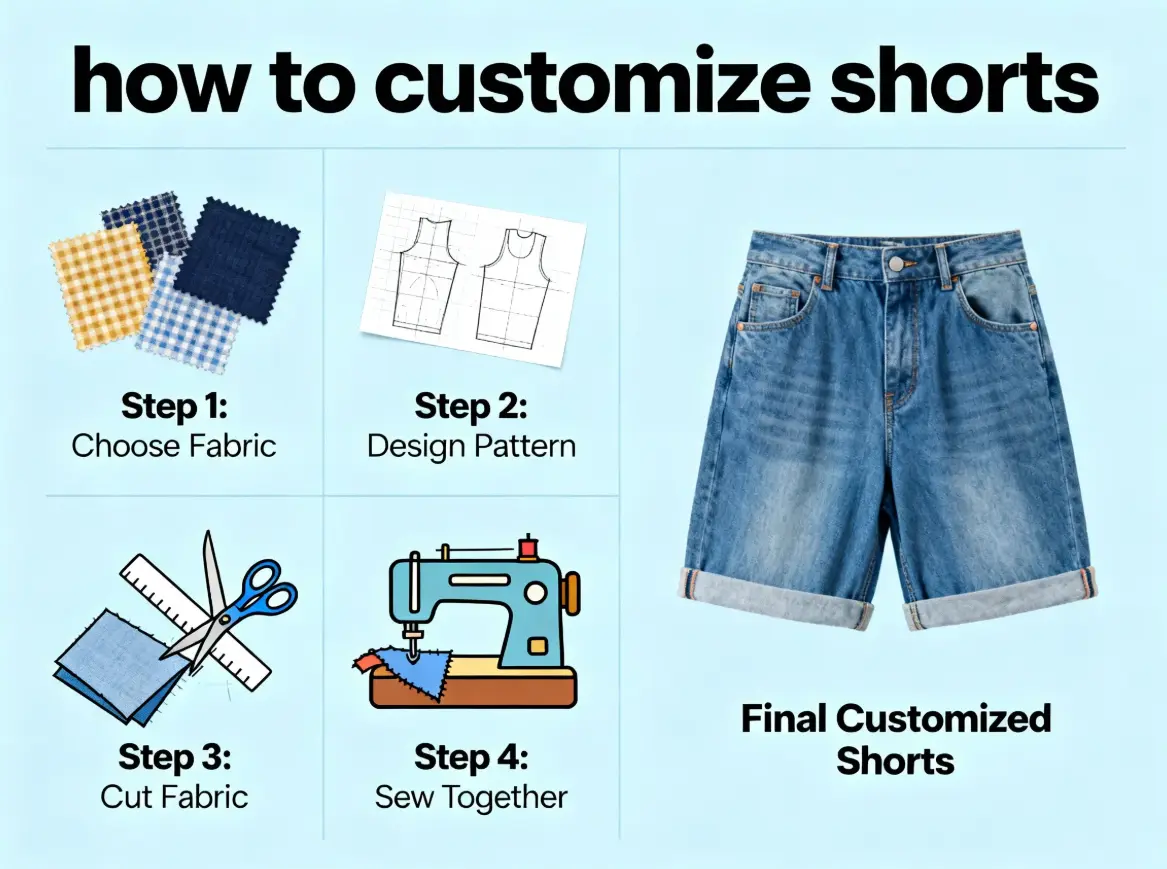
Launch a Successful Fashion Line: A Comprehensive Guide
Starting a fashion business is an exhilarating yet challenging journey. To turn your clothing brand dream into reality, you need a mix of creativity and strategic planning. This guide is designed to support aspiring fashion entrepreneurs, covering everything from refining design skills and crafting a solid business plan to managing production and nailing online marketing. Think of it as your step-by-step roadmap to building a thriving fashion brand.
Industry expert Sarah Donofrio—renowned for her work on Project Runway and two decades in the fashion world—shares her insights, blending creative wisdom with business acumen. Let’s dive into every aspect of launching your clothing line.

Key Insights
●Begin modestly: Launch with as few as six pieces to test the waters.
●Know your market: Understanding your target customer is critical for success.
●Prioritize quality: Focus on high-quality items over a large inventory.
●Budget wisely: You can start a clothing line for under $50,000.
●Leverage influencers: Use influencer partnerships to boost brand visibility.
●Stay adaptable: Continuously track sales and listen to customer feedback.
Hone Your Fashion Design Abilities
For up-and-coming fashion designers, developing strong skills is non-negotiable. There are multiple paths to mastery, whether through formal training or self-directed learning.
Formal Training vs. Self-Learning
Institutions like Parsons and Central Saint Martins offer top-tier programs that teach fundamentals and connect you to industry networks. On the flip side, some designers thrive without formal degrees—Vivienne Westwood and Dapper Dan are prime examples, proving that creativity and drive can fuel success.
| Formal Training | Self-Learning |
| Structured learning environment | Flexible schedule tailored to your pace |
| Access to industry professionals and mentors | Hands-on experience through trial and error |
| Comprehensive, curated curriculum | Self-guided exploration of skills and techniques |
Gain Industry Experience
Hands-on experience in the fashion world is invaluable. Internships, retail roles, or mentorships offer real-world insights that deepen your understanding of the industry.
Learn from the Pros
Connecting with seasoned designers can be transformative. Their advice sharpens your skills and boosts confidence, helping you grasp both the art and science of fashion design.
Craft a Clothing Business Plan
A detailed business plan is the backbone of any successful fashion startup. It clarifies your vision, goals, and strategy for competing in the industry. According to a Harvard Business Review study, entrepreneurs with a business plan are 16% more likely to succeed.
Define Your Business Model
First, choose how you’ll sell your products. Options include:
●Direct-to-consumer sales via e-commerce platforms
●Wholesale partnerships with retailers
●Pop-up shops and market stalls
●Social media platforms like Instagram and TikTok
Your choice depends on your target audience, product type, and goals. For example, a private label model gives you more control, while print-on-demand cuts costs but yields lower profits. Cut-and-sew production is labor-intensive but can drive higher margins.
Estimate Costs and Secure Funding
Understanding startup costs is key. They vary widely:
●Small collection: Around $500
●Mid-sized batch: 1,500 to 5,000
●Full-scale launch: Up to $50,000
Costs cover materials, labor, marketing, and other operational needs. Funding sources include personal savings, loans, or investors—and a strong business plan will help you secure it.
Build a Financial Plan
A solid financial plan outlines how you’ll generate revenue and manage cash flow. To attract investors, include:
●Budget projections
●Break-even timeline
●Marketing and sales strategies
●Legal structure (LLC, S corporation, or sole proprietorship)
Investors want to see long-term planning. A detailed financial analysis can help your business grow 30% faster than those without a plan.
Stay Abreast of Fashion Trends
Keeping up with trends is vital for standing out. Experts agree that trendspotting helps your brand stay relevant. Follow fashion shows, influencers, and magazines like Vogue to anticipate what’s next.
Top designers, including Sarah Donofrio, know to align trends with their brand’s identity. It’s about incorporating popular elements that fit your brand’s unique style.
Tools for Trendspotting
●Fashion Shows: Major events in New York, Paris, and Milan preview upcoming trends.
●Influencer Updates: Follow top creators on Instagram and TikTok for real-time trend insights.
●Industry Magazines: Harper’s Bazaarand Elle offer in-depth analysis to guide your collections.
Adapting Trends
Successfully integrating trends requires creativity and planning. Choose trends that tell your brand’s story. Reliable trend forecasting tools will keep your brand popular and innovative.
| Influence Factor | Impact on Trend Forecasting |
| Fashion Shows | High—reveals major upcoming trends |
| Influencer Insights | Moderate—provides real-time updates |
| Industry Publications | High—offers detailed analysis |
| Consumer Behavior | Highest—shapes how trends are adapted |
| Social Media Engagement | Moderate to High—drives visibility-based trends |
Build a Strong Brand
A unique brand is more than aesthetics—it’s about your values. Strong branding helps you stand out. Let’s explore how to create a consistent, powerful brand identity.
Brand Identity and Values
Start by understanding your audience and what sets you apart. For example, Outdoor Voices focuses on inclusive athletic wear, while Everlane emphasizes transparency and ethics. These values form the foundation of your brand. Steps to define yours:
●Clarify your brand values
●Craft a compelling brand story
●Use consistent visuals across all platforms
Leverage Social Media
Platforms like Instagram are powerful for connecting with your audience authentically. Brands like Reformation and Supreme excel at this. To boost your social media strategy:
●Share behind-the-scenes content
●Engage with followers via comments and stories
●Partner with influencers to expand reach
Maintain Brand Consistency
Consistency builds trust. Every interaction—from posts to packaging—should reflect your brand’s look and feel. Top brands nail this by:
●Keeping logos, colors, and fonts uniform
●Using a consistent tone in communications
●Standardizing product details with tech packs
This consistency fosters customer loyalty.
Design and Develop Your Clothing Line
Turning ideas into products is a key step. Here’s how to bring your designs to life.
Sketching and Conceptualization
Start by drawing your ideas—Sarah Donofrio recommends using sketchbooks. Begin with a small number of pieces to ensure quality. Detailed sketches are essential before production.
Prototyping and Sample Making
Creating prototypes lets you test if a design fits your brand and market. Working with patternmakers reduces material waste (good for sustainability) and saves money by reusing successful patterns later.
Balance Creativity and Practicality
Designs need to be innovative and producible. This balance affects costs and manufacturing efficiency. For example, loungewear brands often collaborate with designers and patternmakers to streamline production. Detailed plans minimize mistakes and simplify manufacturing.
Source or Create Fabrics
Choosing the right fabrics makes your line stand out. Explore these strategies to find unique, high-quality materials.
1.Sourcing Unique Fabrics: Build relationships with mills and suppliers. Attend fabric trade shows to connect with vendors. While mills may require large orders, some suppliers offer smaller in-stock quantities.
2.Creating Custom Fabrics: Developing your own fabrics sets your brand apart. This often requires a 50% upfront payment and a few months of lead time. Eco-friendly or custom-designed fabrics highlight your commitment to sustainability and ethics.
Key Fabric Details
●Weight: Measured in grams per square meter (GSM). Examples:
○Activewear: 200–300 GSM
○Lounge pants: 180–250 GSM
○Standard T-shirts: 130–180 GSM
○Lightweight T-shirts: ≤130 GSM
●Lead Times: Fabric delivery takes 4–8 weeks, depending on the supplier and stock availability.
●Pricing: Sample fabric costs 3–5 more per yard than bulk orders. Swatches typically cost 5–10.
The right fabrics showcase your brand’s focus on quality and innovation.
Set Up Production and Manufacturing
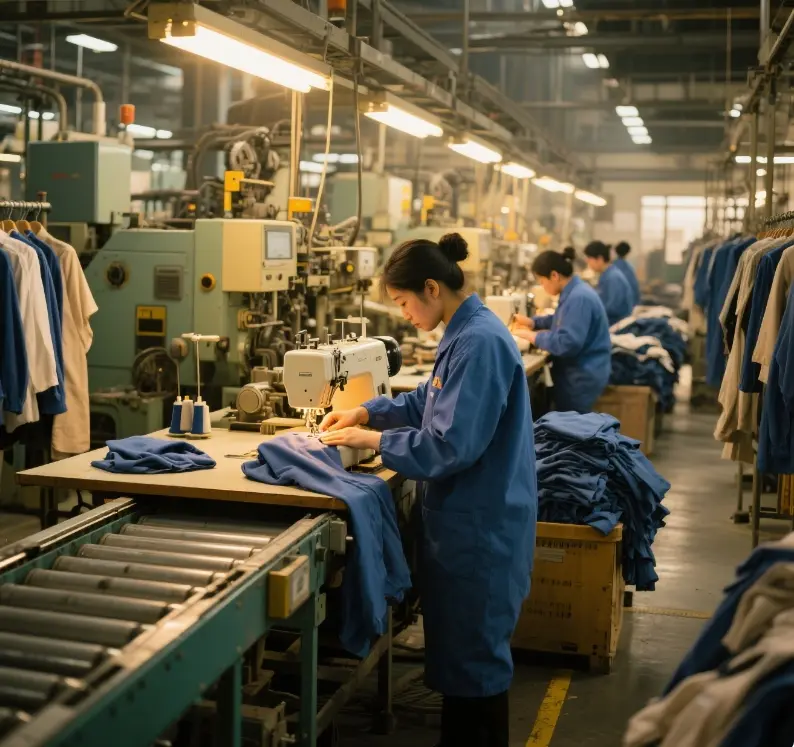
Production decisions shape your line’s quality, cost, and ethics. Choose between in-house manufacturing or outsourcing, and pick partners carefully.
In-House vs. Outsourcing
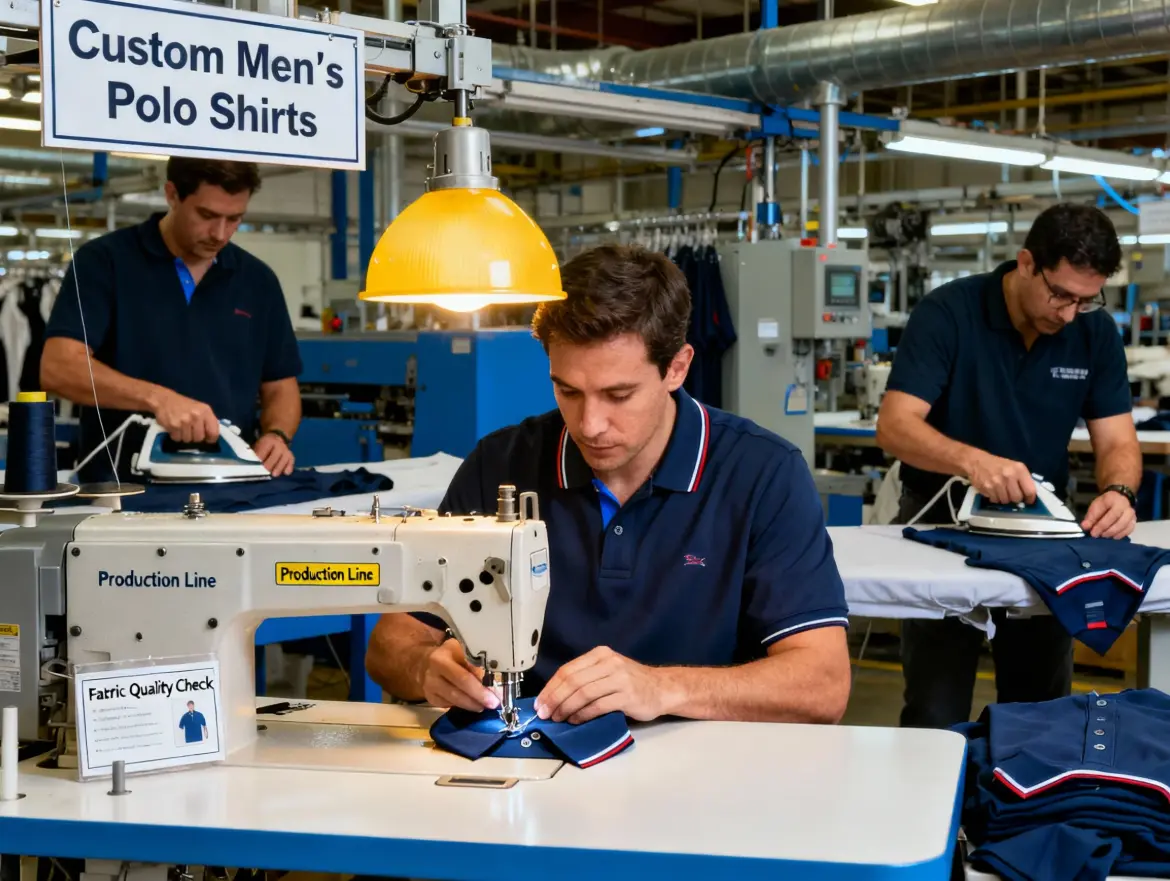
●In-house production: Ensures quality control but has higher upfront and maintenance costs. Ideal for small batches or unique items.
●Outsourcing: Saves money and grants access to expertise. Better for large-scale production.
Some brands mix both: handling key steps in-house and outsourcing large sewing jobs or specialized tasks.
Choose the Right Manufacturing Partner
Evaluate potential partners based on ethics, location, and capabilities. Ensure they follow labor and environmental laws, are geographically convenient (to cut shipping costs), and can meet your needs. Good communication is key for smooth collaboration.
Quality Control
Strict quality checks ensure your products meet standards, keeping customers happy and reducing returns. Check quality:
1. Before production (material inspection)
2. During production (sample approval)
3. Regularly (audits)
4. After production (final product checks)
| Aspect | CMT (Cut, Make, Trim) | FPP (Full Production Package) |
| Control | More control over materials and processes | Less control but more convenience |
| Cost | Potentially cheaper if materials are sourced well | Usually pricier but all-inclusive |
| Flexibility | Easier to adjust designs | Less adaptable (maker handles most tasks) |
| Responsibility | You manage more tasks | Maker oversees most steps |
Develop Pricing and Inventory Strategies
A smart pricing strategy is critical. Start by ensuring prices cover costs (rent, materials, etc.) using a cost-based model.
Market-based pricing is also key—if competitors sell a dress for 20, pricing yours at 50 may not work. Research rival prices to stay competitive. Value-based pricing, which relies on brand perception, is another option.
●Cost-based: Common in wholesale; focuses on incremental costs and volume.
●Market-based: Requires researching competitor prices to align with market norms.
●Value-based: Depends on customer perception, brand reputation, and emotional appeal.
“ The right pricing strategy can significantly impact sales, profitability, and customer satisfaction in fashion. ”
Psychological pricing (e.g., 9.99 instead of 10) and dynamic pricing (adjusting for demand or seasons) can boost revenue.
Inventory Management
Efficient inventory management prevents overstock (which wastes money) and stockouts (which lose sales and trust).
●Excess inventory leads to financial losses.
●Good management avoids stockouts, preserving customer trust.
●Smart systems aid forecasting and decision-making.
Seasonal trends shorten sales windows, so adjust prices and inventory regularly. Discounts and promotions can attract customers and respond to competition.
Stay flexible—monitor trends and customer demand to keep your business profitable and customers happy.
Plan Collections Around Fashion Seasons
Understanding fashion cycles is key to standing out. The industry revolves around two main seasons: fall/winter and spring/summer. Plan collections early to succeed.
Understand Fashion Cycles
Fashion cycles start long before products hit shelves. Sarah Donofrio advises having next season’s collection ready 6–8 months in advance; big brands may plan up to two years ahead.
Aligning with Fashion Week is crucial—buyers want to see new collections at least a month before these events. A typical collection has 12–20 items to cater to diverse tastes. Timeless pieces can extend your brand’s relevance.
Product Development Timelines
Work backward from your launch date to create a timeline. Production usually takes 3 months, with intense workdays before launch. Key milestones:
●Finish designs/sketches by late May.
●Cast models over 10 days in June.
●Stick to a tight production schedule with long hours.
Include a mix of items (tops, dresses, jackets, etc.) and track costs—e.g., spending 2,481.36 on fabric from a 4,000 budget—to avoid overspending.
Tools like Audaces streamline the process, helping design teams collaborate and launch faster.
Launch Your Own Fashion Line
Starting a fashion line blends creativity, business sense, and customer focus. Use industry knowledge, technology, and trend awareness to succeed.
Find Your Niche
Identify a market gap that aligns with your passions. This uniqueness will attract dedicated customers. Understand your audience’s preferences and needs to carve out your space.
Adapt Trends to Your Brand
Use tools like Digital Fashion Pro for professional designs (no sewing or drawing skills required). Partner with pros to make samples—this step is critical for success.
Establish Unique Selling Points
Differentiate your brand with high-quality materials or ethical production. A solid business plan and understanding of consumer spending habits will help you thrive in fashion’s unpredictable market.
With this guide, you’re ready to turn your fashion dream into a successful reality. Start small, stay focused, and let your creativity shine.