



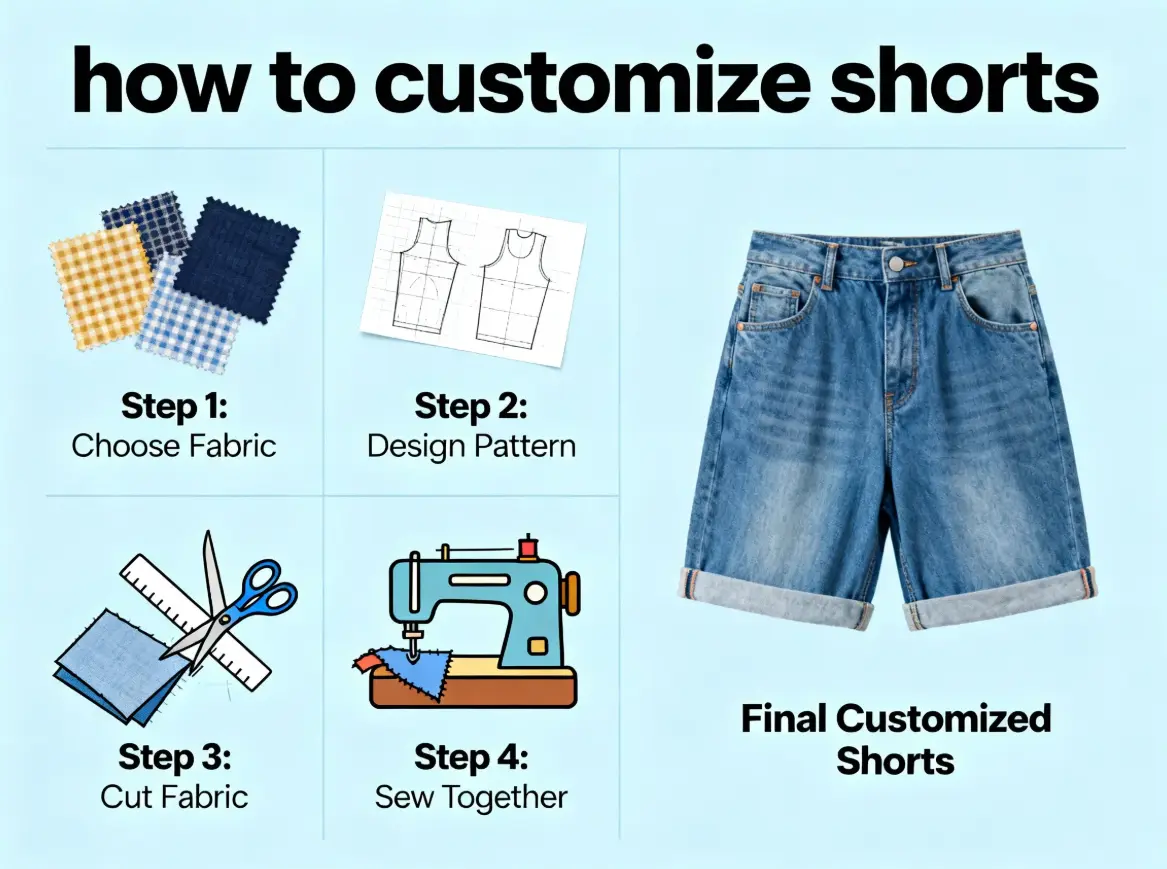
Launch a Brand: Create Your Own Fashion Line
Starting your own fashion brand is a blend of art and commerce. It involves crafting unique apparel while understanding your target market. This journey allows you to leave your mark in the fashion industry.
When building a fashion brand, mastering production processes, marketing strategies, and customer preferences is essential. Take Petite Studio, founded in 2016 specifically for shorter women. What began as a small venture has grown substantially, proving that understanding your audience and staying committed pays off.
Success in fashion requires leveraging influencer marketing and analyzing sales data—strategies that were pivotal for Petite Studio’s growth. Surprisingly, launching a brand can cost under $50,000, and you can even start with a limited range like t-shirts and hoodies. With careful planning, it’s entirely feasible.

Key Takeaways
●Launching a clothing line merges creativity with business savvy.
●Identifying market demand and niche targeting are fundamental.
●Startup costs are relatively manageable, often below $50,000.
●Influencer partnerships and daily sales monitoring drive expansion.
●Even small-scale product lines can achieve early success.
Hone Your Fashion Design Skills
A strong foundation in fashion design is critical for brand success. You can pursue formal education at top institutions or teach yourself through online resources—both paths offer unique advantages to develop a distinctive fashion line.
Formal Education vs. Self-Learning
Studying at renowned schools like Parsons provides structured curricula and networking opportunities, with comprehensive courses and hands-on workshops. Conversely, self-learning via online courses offers flexibility. Regardless of the path, passion and a commitment to continuous improvement are essential.
Building Confidence and Gaining Experience
Practical experience is invaluable in fashion design. Internships or industry jobs teach designers real-world skills. Sarah Donofrio notes that working on projects builds confidence—hands-on practice sharpens abilities and fosters creative thinking.
Online Resources and Courses
Today’s digital landscape offers abundant online fashion courses. Platforms like Coursera and MasterClass cover diverse fashion topics, helping designers stay updated and expand their knowledge. Online resources complement traditional education. For more tips on starting your brand, read this detailed article.
| Aspect | Formal Education | Self-Taught |
| Structure | Highly organized with fixed curricula | Flexible, self-paced, and customizable |
| Networking | Access to industry professionals and alumni networks | Connections through online communities and forums |
| Cost | Typically high tuition fees | Often more affordable, with pay-per-course models |
| Accreditation | Degrees and certifications from recognized institutions | No formal credentials, but skills demonstrated through portfolios/projects |
With education, experience, and online tools, designers can launch successful brands. The key is consistent effort and a dedication to growth.
Develop a Clothing Business Plan
Launching a fashion brand requires a solid business plan. It outlines your mission, revenue streams, and financial projections—critical for attracting investors and guiding your business to success.
Defining Your Business Model
Clarify your business model: direct-to-consumer, wholesale, or print-on-demand. Take Luna & Ember Clothing, which uses direct-to-consumer sales. This model enables direct customer engagement and higher profit margins but demands more work in branding and marketing.
Cost Considerations and Funding
Calculate startup costs, including production, marketing, and team expenses. Luna & Ember required 200,000 for initial production and 100,000 to launch their online store. Platforms like Kickstarter help raise funds while building brand awareness.
Crafting a Financial Plan
A strong financial plan includes projected sales, costs, and profits. Luna & Ember aims for 1,000,000 in first-year sales with a 400,000 gross profit. Sharing these goals attracts investors and guides decision-making.
Luna & Ember’s plan also includes first-year operating expenses (270,000) and net profit (130,000)—critical for balancing investments and returns. Consider loans or angel investors to fund growth.
For more business plan tips, check the Shopify guide, which offers insights for fashion startups.
| Year | Revenue | COGS | Gross Profit | Operating Expenses | Net Profit |
| Year 1 | $1,000,000 | $600,000 | $400,000 | $270,000 | $130,000 |
| Year 2 | $1,800,000 | $1,080,000 | $720,000 | $355,000 | $365,000 |
| Year 3 | $3,000,000 | $1,800,000 | $1,200,000 | $490,000 | $710,000 |
A well-crafted business plan—with clear models, cost projections, and financial goals—prepares you to navigate fashion industry challenges.
Stay Abreast of Fashion Trends
Fashion entrepreneurs must balance following 2025 trends with maintaining brand uniqueness. Integrating trends thoughtfully ensures your designs remain relevant without losing your brand’s identity. Trend forecasting helps keep your products in demand.
Balancing Trends with Brand Identity
Strategically incorporating trends strengthens brand identity. Identify which trend elements resonate with your audience and blend them into your designs while preserving your brand’s voice. Sources like Vogue and Harper’s Bazaar provide trend forecasts that align with your brand’s essence.
Incorporating Trends into Designs
To integrate trends effectively:
●Analyze market data to spot relevant trends
●Attend fashion events for firsthand insights
●Subscribe to fashion publications and follow top designers online
This research simplifies fashion forecasting, enabling seamless integration into your collections.
Staying Inspired and Innovative
Fresh inspiration drives innovation. Embracing new ideas and diverse styles keeps you ahead of competitors. Regularly researching trends and their market impact ensures your designs are both current and timeless.
Most fashion startups begin with a small product range. As you grow and adapt to 2025 trends, your brand gains recognition. The key is merging creativity with consumer demand to attract and retain customers.
Build a Strong Brand
Standing out in fashion requires a strong brand—more than just a logo or name. It encompasses your mission, values, and visual identity, all tailored to your audience.
We’ll focus on crafting your brand identity and using social media to boost visibility and engagement.
Crafting Your Brand Identity
Brand identity involves multiple steps. First, define your brand’s core: sustainability? Luxury? Affordable, playful fashion? Establish your mission and values from the start.
Develop your visual identity—logo, colors, fonts, and design elements—consistently applied across all marketing. A strong visual presence builds recognition and loyalty.
Research consumer preferences and trends to stay relevant while maintaining originality. This balance helps you stand out in a crowded market.
Using Social Media Effectively
Social media is vital for fashion brands, increasing visibility and connecting with customers. Choose platforms like Instagram or TikTok, ideal for showcasing visual content.
Post regularly with authentic content: products, behind-the-scenes glimpses, and brand stories. Engage followers through comments, live streams, and user-generated content to build a community.
Partner with influencers to expand reach—their endorsements boost credibility. Track social media performance and adjust strategies for optimal results.
Ultimately, a strong brand identity and strategic social media use enhance visibility and foster deep customer connections.
Design and Develop Your Clothing Line
Turning sketches into a clothing line requires strong design skills and careful prototyping to ensure your products meet your vision and market needs.
From Sketch to Production
Sketching your ideas is the first step—critical for communicating your vision. Next, create tech packs: detailed documents with sketches and specifications that guide Manufacturers. While design represents only 10% of clothing business efforts, it forms the foundation of success.
Creating Distinctive Designs
Market needs inspire unique designs. Understanding your target customer—their habits and preferences—improves your products and sales approach. Maintain collection cohesion through consistent colors and materials that reflect your brand.
Sampling and Prototyping
Sampling and prototyping refine fit, appearance, and functionality. Collaborating closely with manufacturers ensures your products meet design and quality expectations. Prototyping can be costly, especially for unique lines—seeking input from stylists and professionals enhances appeal.
●Print-on-demand: Low difficulty, 0–500 cost, minimal time investment
●Wholesale/private label: Moderate difficulty, medium cost and time, 10-unit minimum per color/size
●Custom cut & sew: High difficulty, $10,000+ cost, significant time investment, 3-month to 1-year timeline
Active involvement in every step reduces reliance on others. From concept to production, hands-on participation ensures your vision is executed accurately and stylishly.
Source Fashion Fabrics or Design Your Own
Finding the right fabrics is critical for your clothing line. Knowing how to select or design fabrics sets your brand apart.
Building industry connections and using online tools simplify sourcing. We’ll explore strategies to enhance your brand.
Building Industry Connections
Strong supplier relationships are essential. Attending events like Texworld or working with fabric agents grants access to quality materials.
●Trade shows like The Fabric Shows offer small orders and unique finds
●Fabric agents add minor costs but provide valuable insights and contacts
●Minimum orders are often high, though some suppliers offer flexibility
These connections lead to better deals and timely deliveries.
Online Fabric Sourcing
The internet offers endless fabric options, breaking geographical barriers.
1.Check fabric weight, which varies by garment type
2.Small orders (starting at 5 yards) cost more than bulk purchases
3.Delivery speed impacts production timelines
4.Seek eco-friendly fabrics with GOTS or OEKO-TEX certifications
Online fabric shopping is convenient and diverse.
| Fabric Type | Minimum Order | Cost per Yard | Lead Time |
| Knitted Fabrics | 500+ yards | 6–10 | 4–8 weeks |
| Custom Fabrics | 1+ yard | 10–15 | 8–12 weeks |
| Deadstock Fabrics | 1–100+ yards | 5–12 | Immediate |
Combining industry connections and online shopping helps you find the best fabrics. Choosing between ready-made or custom fabrics shapes your brand’s identity.
Set Up Production and Manufacturing
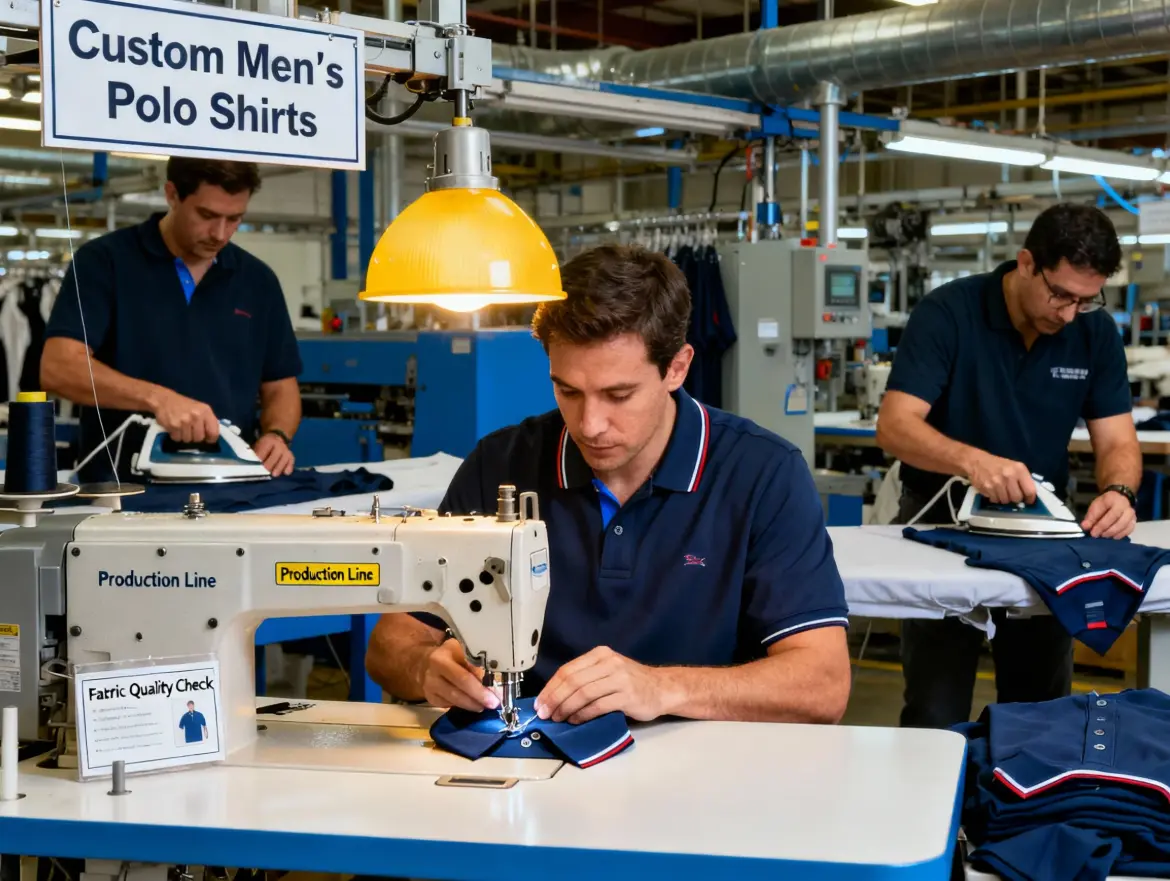
Establishing production involves choosing between in-house manufacturing or outsourcing—a decision impacting control and costs.
Choosing In-House vs. Outsourcing
In-house production offers more control but higher costs; outsourcing saves money but reduces oversight.
●In-House: Greater control, higher initial costs, direct management
●Outsourcing: Cost savings, flexibility, but requires rigorous quality checks
Working with Local or Overseas Factories
Choose based on your needs: local factories offer speed and communication but cost more; overseas factories save money but complicate logistics.
●Local Factories: Fast turnaround, easier quality control, higher costs
●Overseas Factories: Cost-effective for large orders, requires careful planning
Consider minimum order quantities (MOQs)—startups often use low MOQs to reduce risk.
“Our goal is to build symbiotic relationships with manufacturers, ensuring our brand values are reflected in every product detail.”
Ensuring Quality Control
Quality control protects your brand’s reputation. Implement strict checks:
1.Pre-production: Select materials, create patterns, sample, and cost garments
2.During production: Monitor processes and conduct tests (e.g., stretch, durability)
3.Final inspection: Comprehensive checks post-production
Working with trusted manufacturers reduces defects and builds customer trust. Many use technologies like laser cutting and 3D printing to enhance quality.
Ultimately, production choices and quality control determine your clothing line’s success.
Build Pricing and Inventory Strategies
Setting the right prices requires market knowledge—your prices should reflect your brand and generate profit, whether in luxury or fast fashion. Consider costs, customer expectations, and competitor pricing.
Establishing Pricing Strategies
Pricing involves multiple factors: calculate fabric, labor, and overhead costs; align prices with your target audience (premium vs. value); use retail pricing analysis; ensure prices cover costs and leave room for promotions and distribution. Digital marketing increases product visibility to support sales.
Managing Your Inventory
Effective inventory management reduces storage costs and ensures product availability. Use forecasting tools and inventory software. Just-in-time (JIT) models prevent overstocking. Sustainable brands often use made-to-order methods to reduce waste—a popular choice as consumers prioritize Ethical Brands.
Data-driven inventory decisions are key. Analyzing sales trends allows quick adjustments to meet demand. Adapting your product range to evolving fashion trends maintains competitivene