







0102030405
How to identify the pros and cons of the fabric?
2024-07-30
Generally speaking, the front and back of the fabric can be identified from the following aspects through hand touch and seeing.

(1) Identification according to the pattern and color of the fabric. The pattern, pattern and color on the front of the fabric look clear and bright, and the pattern and color on the reverse side look vague and dark, and the pattern is rough and the pattern lacks layers.
(2) Identify according to the plush of the fabric. Fabrics like corduroy, flat velvet, silky velvet, the front has fluff, the back is no fluff, the front feel soft, the back feel smooth; the back of the fabric, the front fluff appears more, and the whole production: the reverse fluff is less.
(3) Identification according to the characteristics of the cloth edge. The edges on the front of the fabric usually appear flat and crisp, while the edges on the back often curl inward along the edges. There are also some more high-grade clothing fabrics, such as woolen material on the cloth is usually printed with code or other words, and the front of the text is clear, obvious, clean, the back of the text looks fuzzy, and the word is written back.
(4) Identification according to the trademark and seal of the fabric. Generally speaking, the whole fabric of domestic sales is stuck in the opposite side of the cloth with trademark, product manual, but also in the two ends of each cloth or each cloth covered with factory date and inspection seal. Instead, export fabrics, trademarks and seals are affixed on the front of the fabric.
(5) Identification according to the packaging form of the fabric. Generally speaking, the whole packaging fabric, each cloth head toward the outside side is the opposite side. If it's a double fabric, then the inside layer is the front, and the outside layer is the anti-you
(6) Like jacquard, lattice fabric, general front stripes, grid, jacquard and so on look more obvious than the reverse, hierarchical, and the color luster is bright and clean; and flat, twill, grain fabric, the front grain looks more obvious, clear, and the front cloth surface feel smooth and smooth.
Additional, still have the fabric, the reverse decorative pattern looks chic, and colour also appears more downy. Fabrics like this, when cutting and sewing, can also use the reverse side as the front of the fabric depending on the specific situation.
How to identify the inverted fabric?
Different fabrics have different recognition methods
First, look at the printed fabric. Not all printed fabrics are inverted, so it is mainly identified according to the specific pattern on the fabric. For example, complete patterns, trees, towers, buildings, cars and boats, portraits, flowers, etc., should not be reversed, otherwise it will affect the appearance of the clothing,
Next, we look at the plaid fabric. Generally speaking, the grid left and right asymmetry of the fabric is called "Yin and Yang", the grid up and down the asymmetry of the fabric is called "inverted shun". When making clothes, the grid should be consistent, coordinated and symmetrical, otherwise, the chaos of the grid will affect the appearance and modeling effect of the clothing.
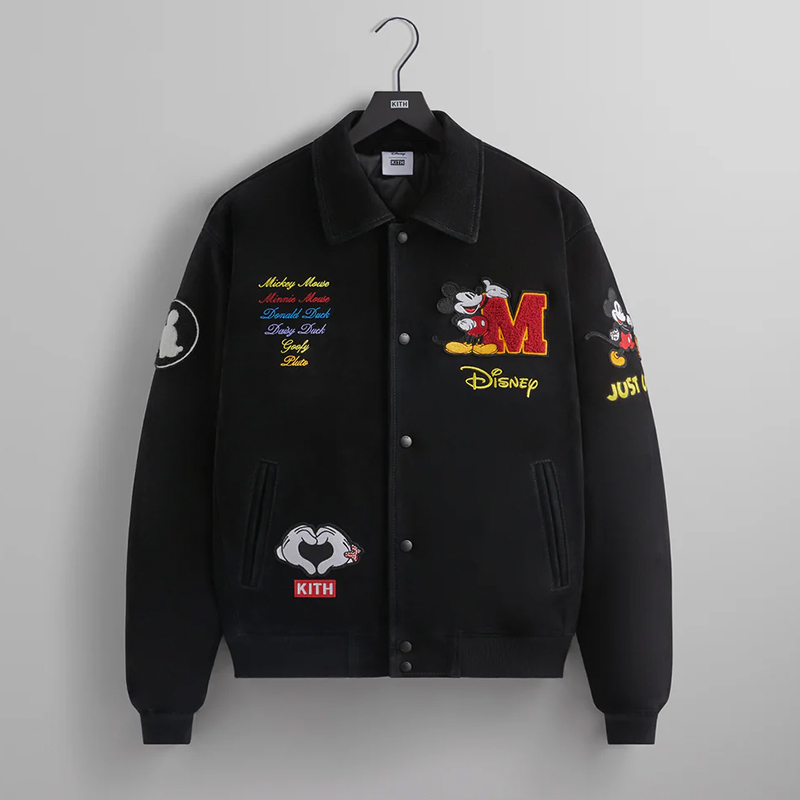
Finally, look at the fluff fabric inverted smooth. Like the surface of corduroy, velvet, flat velvet and other fabrics have a thick layer of fluff, smooth color looks lighter, bright and shiny, feel the surface of the fabric is smooth, and the inverted color looks darker, luster is darker, feel rough. When making clothes with fluffy fabrics, make sure to make the fabric of the whole clothing consistent, otherwise, the color of the clothing will look different under the natural light, and the luster is different in light and shade, which will affect the appearance of the clothing. In addition, with fluff fabrics to Make Clothing, it is best to take the reverse, that is, the use of flash fabrics also need to pay attention to the reverse of the fabric to be consistent.