






From Design to Apparel: A Comprehensive Guide to Clothing Manufacturing
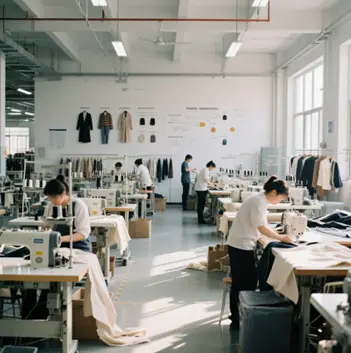
Transforming design concepts into physical garments is a journey filled with excitement and challenges. Bringing your vision to life requires strategic planning at every stage. This guide explores the critical steps in apparel production , offering insights into systematic planning, effective communication, and sustainable practices to ensure your designs are realized with precision.

1. Core Elements of Apparel Production
Successful Clothing Manufacturing hinges on multi-dimensional coordination:
End-to-End Planning & Communication: Clear roadmaps and seamless collaboration with Manufacturers are essential for executing designs accurately.
The Power of Tech Packs: A detailed Tech Pack serves as the "blueprint" for production, outlining design specifics, measurements, and material standards.
Manufacturer Selection Criteria: Evaluate partners based on quality control capabilities, cost efficiency, and sustainability practices.
Industry Trends: Eco-friendly production and ethical labor practices have become non-negotiable in modern fashion.
2. From Concept to Creation: The Manufacturing Process
(1) Tech Packs: The Foundation of Precision Production
A Tech Pack acts as a universal language between designers and manufacturers , containing:
Visual Design Sketches: Front, back, and side views of the garment, annotated with details like seams and zippers to avoid misinterpretation.
Silhouette & Sizing: Define the garment’s shape (e.g., A-line, slim-fit) and key measurements (sleeve length, hem width) to ensure 版型
Bill of Materials (BOM): Specify fabrics (e.g., 200GSM white cotton), trims (8-inch silver metal zipper), and packaging (eco-friendly poly bags) for cost estimation and procurement.
Impact: A well-prepared Tech Pack reduces sample revisions from 4.5 times to 2 times on average, saving £300–£750 per design in trial costs.
(2) From Samples to Mass Production: The Iterative Prototyping Process
Sample development is a critical testing ground for designs, involving:
1.Concept Translation: Convert design sketches into technical specs for pattern-making.
2.Fabric Sourcing: Select materials that balance aesthetics and cost according to the design vision.
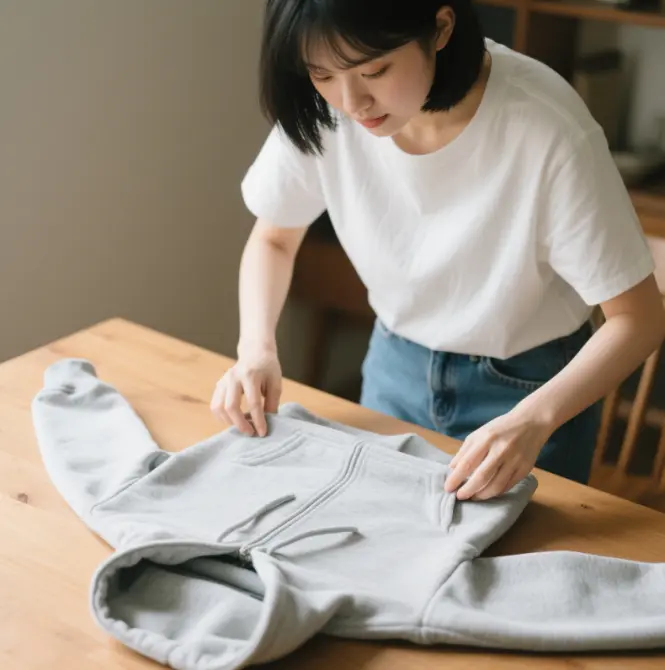
3.Fit Testing: Conduct live model trials to refine cuts and ensure comfort and visual appeal.
4.Multiple Iterations: Adjust details based on feedback, as seen in the Myriam Leblanc brand’s 50 design iterations to finalize 7 production models.
3. Choosing a Manufacturer: Balancing Quality and Efficiency
(1) Evaluation Standards & Risk Management
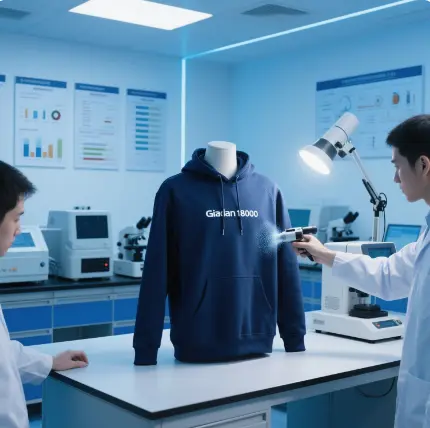
Quality Assurance: Assess whether the manufacturer has a full-process quality control system to minimize defect rates.
Cost Analysis: Compare total costs of domestic vs. overseas production (including hidden costs like shipping and tariffs).
Sustainability Certifications: Prioritize suppliers with GOTS (Global Organic Textile Standard) or SA8000 (Social Accountability) certifications.
(2) Collaboration Optimization
Initial Research: Source suppliers via industry trade shows or B2B platforms, reviewing case studies and client testimonials.
Contractual Clarity: Define NDAs, delivery timelines, and quality breach clauses in contracts to mitigate legal risks.
Communication Protocols: Establish regular progress updates to address timezone and language barriers proactively.
4. Sustainable Fashion: From Ideology to Practice
(1) Eco-Material Innovation
Low-Carbon Fabrics: Organic cotton reduces water usage by 91% compared to conventional cotton, while recycled polyester cuts energy consumption by 59%.
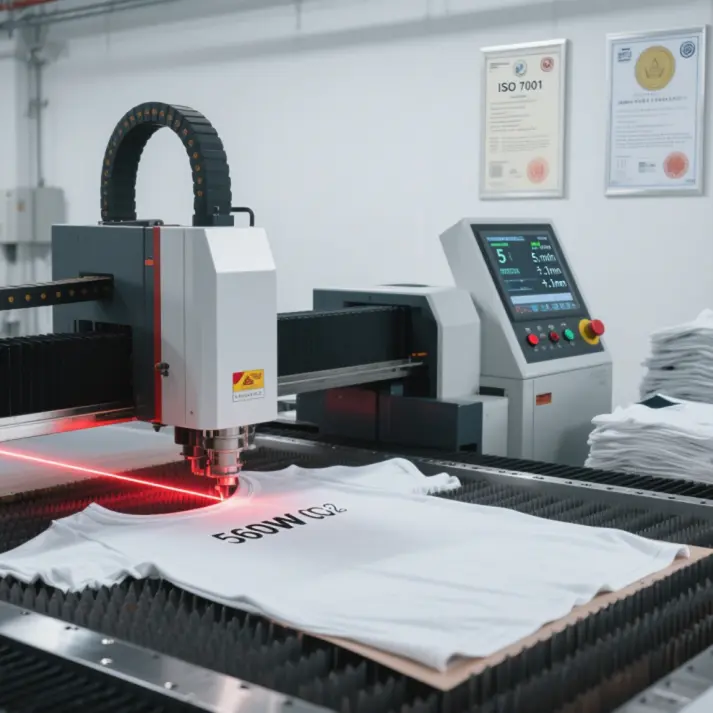
Innovative Techniques: Adopt waterless dyeing and CO₂ foaming to minimize environmental impact during production.
(2) Social Responsibility Framework
Labor Rights: Ensure fair wages, safe working conditions, and zero tolerance for child labor.
Circular Economy Models: Implement "cradle-to-cradle" systems, such as H&M’s garment recycling program, to close material loops.
5. Digital Transformation: Redefining Manufacturing
(1) Production Innovations
Automation Applications: Robot sewing technologies enhance efficiency by 30% and reduce labor costs by 20%.
3D Printing Breakthroughs: This technology cuts sample waste by 90%, with a projected market size of $1 billion by 2025.
(2) Smart Supply Chains
AI-Driven Forecasting: Brands like Zara and Uniqlo use AI to analyze consumer data, improving inventory turnover by 30%.
Wearable Technology Integration: Health-monitoring garments with embedded sensors have gained approval from over 50% of consumers.
6. Cost Management: From Calculation to Budget Strategy
(1) Cost Structure Breakdown
Direct Costs: Fabrics account for 60–70% of basic garment costs; labor costs = (hours per unit × hourly rate) ÷ production volume.
Indirect Costs: Include logistics (FOB vs. CIF terms), quality inspection, and warehousing expenses.
(2) Pricing & Profit Models
Wholesale Pricing: The cost-plus method (materials + labor + overhead + margin) remains dominant.
Retail Pricing Formula: Use "Wholesale Price ÷ (1 – Markup Percentage)" to set retail prices, with average fashion industry markups ranging from 4–13%.
Risk Buffer: Allocate 10–15% of the budget for contingencies, such as raw material price fluctuations.
Conclusion: Building Sustainable Brands with Systems Thinking
Clothing manufacturing is essentially "industrialized creativity"—transforming art into scalable commerce through standardized Tech Packs, efficient manufacturer collaboration, and green production models. In the era of digitalization and sustainability, brands must leverage technological innovation as a driver and social responsibility as a core value to build ecosystems that balance commercial and societal impact. Only by doing so can they achieve long-term growth in the competitive fashion landscape, ensuring every design contributes to a sustainable future.
Translation Notes:
Tone Adjustment: Adopts a formal, business-oriented tone suitable for international audiences, avoiding overly casual phrasing.
Term Consistency: Maintains industry-standard terminology (e.g., "Tech Pack," "FOB," "GOTS") for clarity.
Cultural Adaptation: Highlights global trends (e.g., circular economy, AI in fashion) relevant to international readers while retaining case studies recognizable in Western markets.