






Fashion and sustainable integration of clothing environmental protection materials
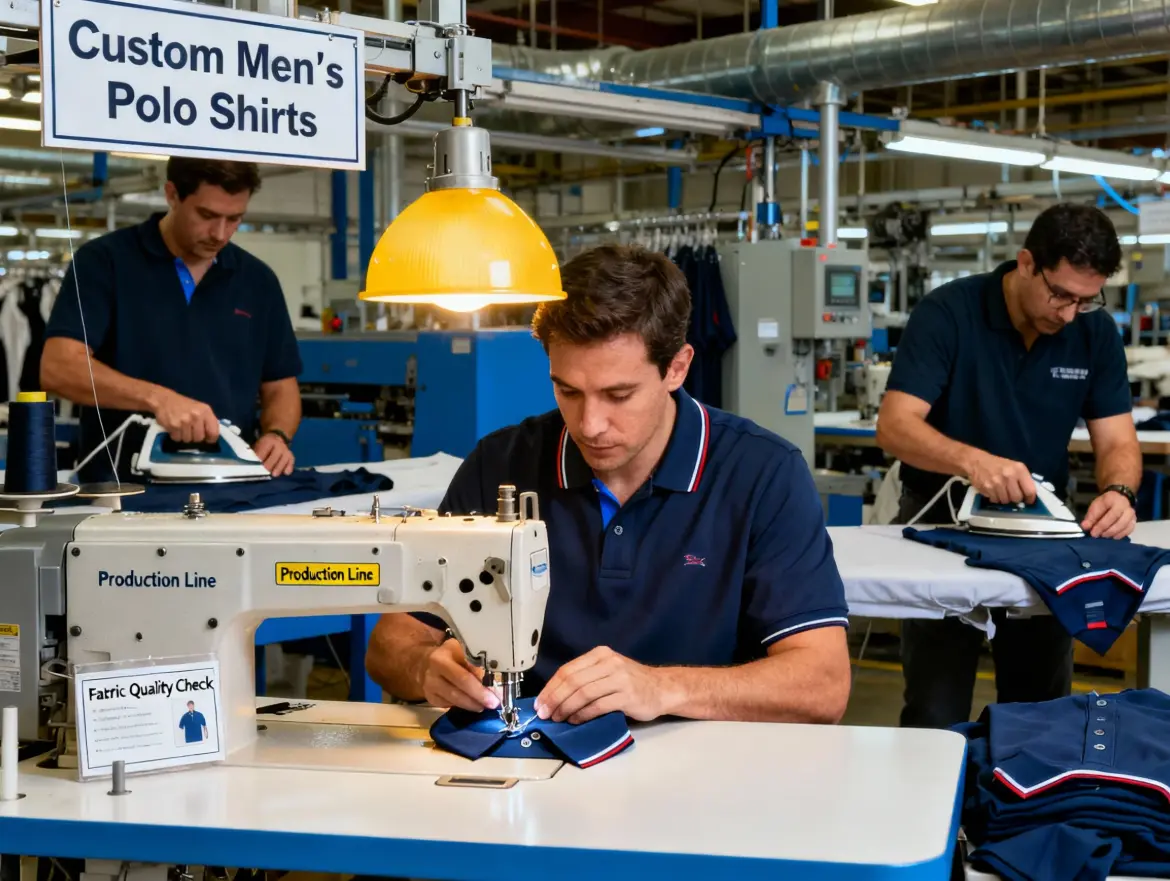
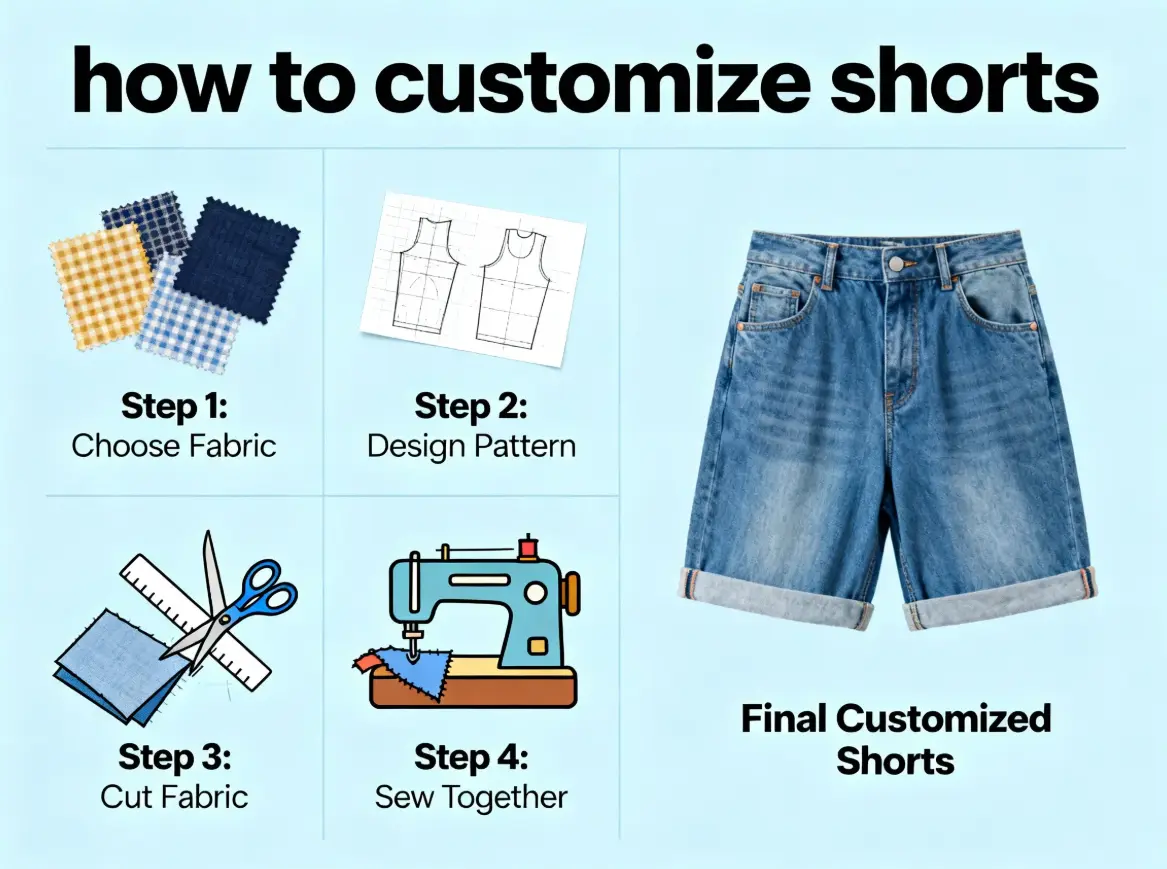
With the booming development of the fashion industry, people's demand for clothing has already gone beyond beauty and comfort, and environmental attributes have been paid more and more attention. The rise of environmentally friendly clothing materials has become the core factor driving the sustainable development of the fashion industry.
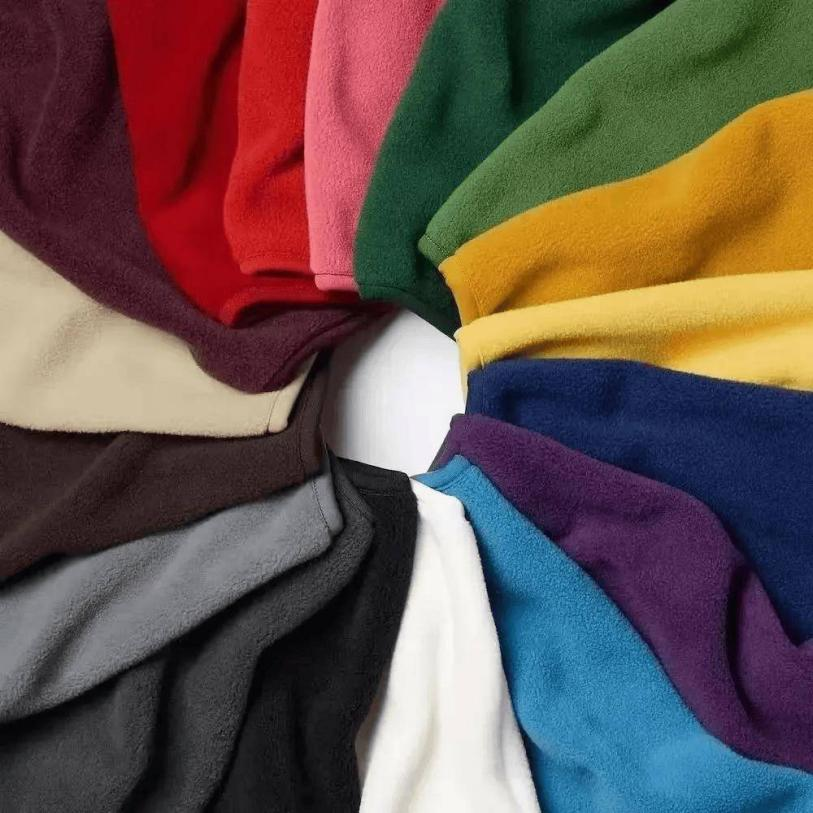
Organic cotton is widely known as an environmentally friendly clothing material. Its planting eliminates chemical fertilizers and pesticides to reduce the pollution to the soil, water and air from the source. Clothing made of organic cotton is not only soft and skin-friendly, but also very friendly to people with sensitive skin, but also reduces the potential harm of clothing to human body because of its natural and purity. Compared with traditional cotton planting, organic cotton planting pays more attention to ecological balance, which is conducive to protecting biodiversity and promoting the sustainable development of agriculture.
Recycled fiber also occupies an important position in the field of environmentally friendly clothing. The fibers are mainly made of waste or recycled materials, like the common recycled polyester, which often comes from recycled plastic bottles. After a series of complex processing, the discarded plastic bottles have been transformed into fashionable clothing raw materials. This greatly reduces the consumption of original ecological resources, reduces carbon emissions, and alleviates the pressure of plastic waste on the environment. Many sports brands have widely used recycled fiber to make sports clothing, which not only meets the consumers' functional demand for sports equipment, but also enables people to contribute to environmental protection when sports.
Bamboo fiber is also a popular and environmentally friendly material. Bamboo grows rapidly and is a renewable resource that does not require a lot of water and chemical fertilizers. Bamboo fiber has natural antibacterial, can effectively inhibit the breeding of bacteria, to keep clothes fresh and hygienic. Its excellent air permeability and moisture absorption, so that people wearing bamboo fiber clothes can also feel dry and comfortable in hot weather. Bamboo fiber fabric also has a good overhang and soft feel, adding a unique texture to the clothing.Whether it is a daily T-shirt, shirt, or underwear, bamboo fiber can show the advantages of environmental protection and comfort.
In addition to the above materials, there are many innovative and environmentally friendly materials continue to emerge. For example, recycling plastic fiber by recycling waste plastic bottles and other materials, effectively reduce plastic pollution; natural rubber extracted from rubber trees, the production process is relatively environmentally friendly, biodegradable and environmentally friendly. Some brands have also developed plant-based artificial leather to replace traditional animal leather and chemically synthetic leather, both avoiding animal damage and reducing the environmental impact of chemicals.
From the perspective of market prospects, environmental protection clothing materials show a very broad space for development. With the continuous improvement of global environmental awareness, consumers have an increasing demand for sustainable fashion products. Global Market Insight The global sustainable apparel market was worth $3.3 billion last year and is expected to grow at a compound annual rate of 9.5% over the next 10 years. Many international brands have laid out sustainable fashion field, such as lululemon invested in sustainable materials manufacturer genomatica to launched the first T-shirt made of plant-based nylon; NIKE launched a new series of NIKE Forward, consisting of 70% recycled components and reducing carbon emissions by 75%; ZARA launched a capsule series made of circulose materials, made of 100% textile waste, biodegradable. Domestic brands have also responded positively, constantly increasing their investment in the research and development and application of environmental protection materials.
At the policy level, governments of various countries have issued relevant policies to encourage enterprises to adopt environmental friendly materials and promote the green transformation of the fashion industry. China's "14th Five-Year Plan" for Biological Economy Development "clearly includes" steady development of bio-energy, bio-based materials replacing traditional chemical raw materials, and biological processes replacing traditional chemical processes "into the development goals of China's biotechnology and biological industry during the" 14th Five-year Plan " period. The European Union's Industrial Biotechnology 2025 Vision Plan proposes that bio-based raw materials will replace 6% -12% chemical raw materials and 30% -60% fine chemicals by biological base in 2025. The US Biomass Technology Roadmap plans to replace bio-based chemicals with 25 percent of organic chemicals and 20 percent of petroleum fuels by 2030. The introduction of these policies has provided strong policy support for the development of environmentally friendly clothing materials.
From the perspective of cost and technology, although the production cost of some environmentally friendly materials is relatively high, the cost is gradually decreasing with the continuous progress of technology and the promotion of large-scale production. For example, the application of 3D printing and other technologies makes it possible to make personalized production in small batches, which reduces both costs and waste of resources. At the same time, more and more enterprises increase the investment in the research and development of environmental protection materials, and constantly introduce new environmental protection materials with better performance and lower cost, to further promote the development of environmental protection clothing materials market.
In the choice of clothing materials, in addition to paying attention to the environmental performance of the material itself, the environmental protection process in the production process can not be ignored. The use of energy-saving equipment, reduce wastewater discharge, the use of renewable energy and other environmentally friendly production methods, can further reduce the negative impact of the garment industry on the environment. Some authoritative certification bodies such as OEKO-TEX, GOTS and so on strictly evaluate the environmental performance of clothing materials, and the materials that obtain these certification can let consumers choose at ease.
The development of environmentally friendly clothing materials not only provides consumers with more healthy and environmentally friendly choices, but also injects new vitality into the fashion industry. With the continuous progress of technology and people's increasing awareness of environmental protection, I believe that there will be more high-quality environmental protection materials to be applied in the field of clothing, so that fashion and environmental protection perfect integration, and jointly protect our earth home.