




Build a Thriving Clothing Brand: Your Step-by-Step Guide
Launching your own clothing brand is an exciting yet demanding journey. It requires a sharp understanding of market trends, a knack for designing standout pieces, and mastery of everything from production logistics to legal formalities. In today’s digital age, a strong online presence is also non-negotiable for capturing your audience’s attention.
The fashion industry has never been more competitive, with countless new players vying for space. To succeed, you’ll need to grasp the fundamentals of starting a clothing brand and hone your fashion entrepreneurship skills. With the global clothing market valued at around $1.5 trillion in 2023, the growth potential is immense. This guide is tailored for aspiring fashion entrepreneurs and wholesale buyers ready to carve their niche.
Cost management is critical from day one. Opt for high-quality yet affordable basics like t-shirts if you’re working with a tight budget, and partner with reliable printers to ensure consistent quality. Avoid the race to the bottom with endless discounts—the market is already saturated with cheap deals. Instead, focus on a clear marketing strategy and a solid business concept to stand out.
Key Takeaways
●The clothing industry is fiercely competitive but ripe with opportunities, projected to grow at a 4.4% annual rate.
●Mastering the basics of launching a clothing brand is essential for long-term success.
●Balancing cost-effectiveness with quality—by choosing durable materials and trusted printers—keeps your products competitive.
●Smart marketing, especially on social media, can drastically boost brand visibility and customer engagement.
●A successful clothing brand startup hinges on a well-defined target market, strong brand identity, and comprehensive business plan.
Understanding the Clothing Brand Market
To thrive in the fashion world, you need to stay ahead of emerging trends and shifting consumer preferences. By monitoring these shifts, brands can capitalize on new opportunities and stay relevant in a fast-paced industry.
Trends and Consumer Preferences
Sustainable and ethically made clothing is no longer a niche choice—it’s a mainstream demand. Brands that prioritize eco-friendly practices are winning over conscious shoppers. Meanwhile, e-commerce has eliminated geographical barriers, letting even small brands reach global audiences. Customizable apparel is also surging in popularity, as consumers crave one-of-a-kind pieces that reflect their identity.
Data-driven insights are game-changers here. Analyzing customer behavior helps brands tailor offerings to both existing and potential buyers. Social media campaigns and influencer collaborations boost brand recognition and trust, while real customer stories foster loyalty. Regular email newsletters keep your audience engaged and encourage repeat purchases.
Market Saturation and Opportunities
Despite the crowded market, innovative and agile brands can still thrive. Adopting sustainable practices attracts environmentally conscious consumers, a demographic that’s growing rapidly.
Strong SEO strategies are another secret weapon—they boost your website’s visibility, drive more traffic, and improve search rankings. Pair that with an active social media presence, and you’ll attract a steady stream of new customers.
Digging into market trends can uncover untapped niches or specialty products with high profit potential. A unique brand identity, top-tier products, and exceptional customer service will turn first-time buyers into lifelong fans.
| Marketing Strategy | Benefits |
| Data-driven Marketing | Enables informed decisions using analytics |
| Social Media Marketing | Boosts brand visibility and engagement |
| User-generated Content | Builds community and brand loyalty |
| Email Marketing | Keeps existing customers connected |
| SEO Techniques | Improves online discoverability |
By leveraging these strategies, your brand can outshine competitors and seize the abundant opportunities in the fashion market.
Identifying Your Target Market
Knowing exactly who your brand serves is the foundation of success. By analyzing customer demographics and psychographics, you can create products that resonate deeply with your audience. Let’s break down these critical factors.
Customer Demographics
Demographics—like age, gender, income, and location—paint a clear picture of your core buyers. Key insights to consider:
●70% of fashion brands focus on women, highlighting a significant gender skew in marketing.
●60% of 18–34-year-olds prioritize staying on-trend when shopping for clothes.
●55% of parents report their children heavily influence clothing purchases, underscoring family dynamics.
●80% of millennials prefer online shopping, making a strong digital presence essential.
●45% of consumers are willing to pay more for ethically made clothing.
Consumer Psychographics
Psychographics dive deeper, revealing the motivations behind purchasing decisions—like lifestyle, values, and shopping habits. This knowledge lets you craft personalized products and campaigns. Key findings:
●65% of fashion enthusiasts are influenced by social media trends.
●50% of consumers follow brands on social platforms to snag discounts and exclusive deals.
●30% of shoppers are loyal to specific brands, emphasizing the need for distinctiveness.
●80% favor brands that align with their values, such as sustainability or fair labor.
●70% are more likely to buy from brands that offer personalized experiences.
By combining demographic data with psychographic insights, you can tailor your marketing to feel deeply personal. Every design, campaign, and interaction will speak directly to your customers’ identities and beliefs, fostering loyalty and repeat business.
Developing a Unique Brand Identity
A strong brand identity is make-or-break for clothing brands. It shapes how customers perceive and interact with your products—and it’s about far more than a logo or catchy name. It’s the visual and emotional story that communicates your brand’s core values. For 77% of marketers, building a distinct brand identity is a top priority, as it drives customer engagement. Let’s explore what makes an identity memorable.
Logo, Name, and Visuals
Your logo is your brand’s face—it should be unforgettable and reflective of your mission. Consistency in visual elements across all platforms can boost sales by up to 23%. Think of Nike’s swoosh: it’s instantly recognizable worldwide, no words needed. Your brand name should be easy to remember and align with your products. Together, these elements create a visual identity that influences 60% of consumers’ purchasing decisions.
Brand Story and Values
Great brands tell great stories. Using storytelling in branding fosters deeper connections with your audience. Patagonia, for example, weaves its commitment to environmental activism into every product and message, attracting like-minded customers. Authenticity matters: 64% of consumers stay loyal to brands they share values with.
Consistency is also key—90% of consumers expect a brand to look and sound the same across all touchpoints, from your website to social media. When your brand’s story and values align with your audience’s beliefs, 89% of them will stick around long-term.
In short, a unique brand identity blends a memorable logo, a meaningful name, and a compelling story. This mix ensures your brand stands out in a crowded market and resonates with your target audience.
Launching Your Clothing Brand
Creating your own clothing brand is thrilling, but it comes with tough choices: Do you produce items yourself, partner with Manufacturers, or use print-on-demand? The right production method can make or break your brand’s success.
DIY vs. Manufacturer Partnerships
Choosing between DIY and working with manufacturers depends on your goals:
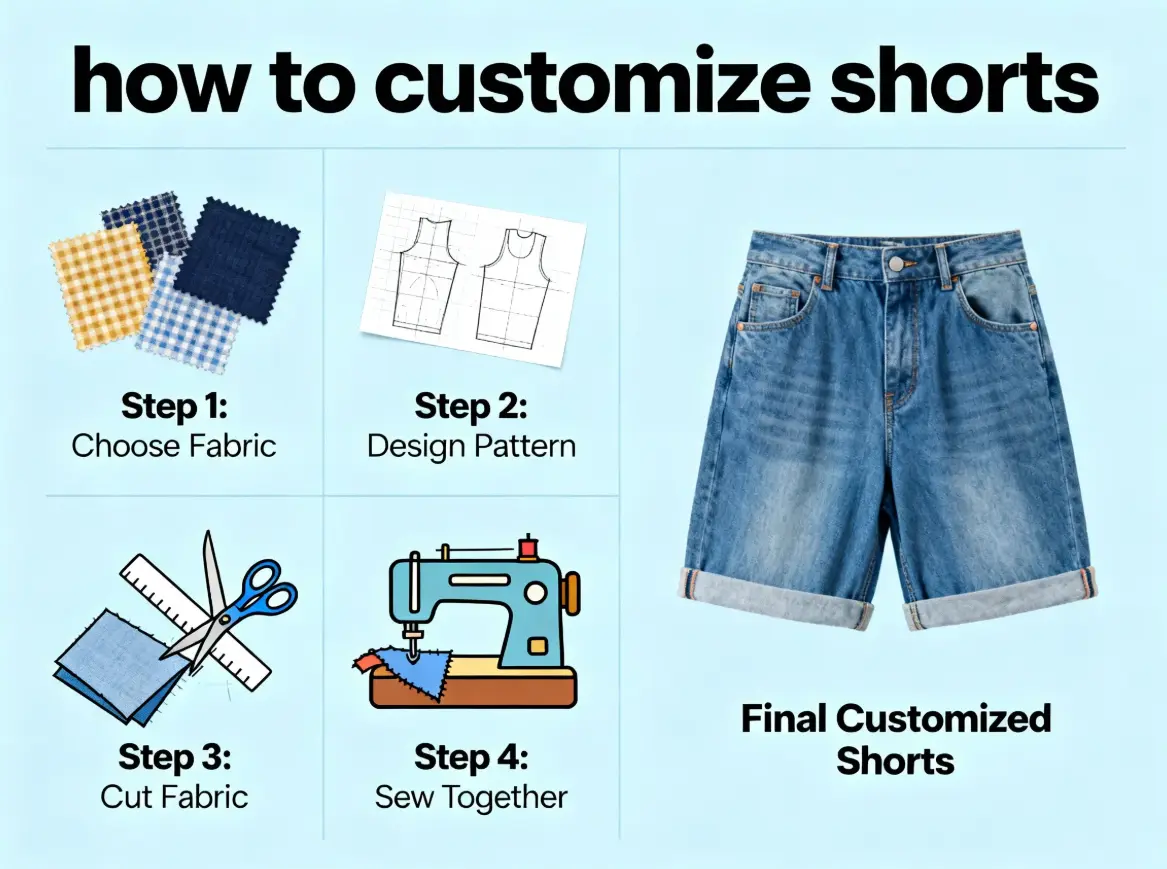
●DIY Production: Gives you full control over every detail but is labor-intensive. Scaling is hard—producing large quantities on your own is nearly impossible. However, it’s ideal for small-batch, hyper-customized items.
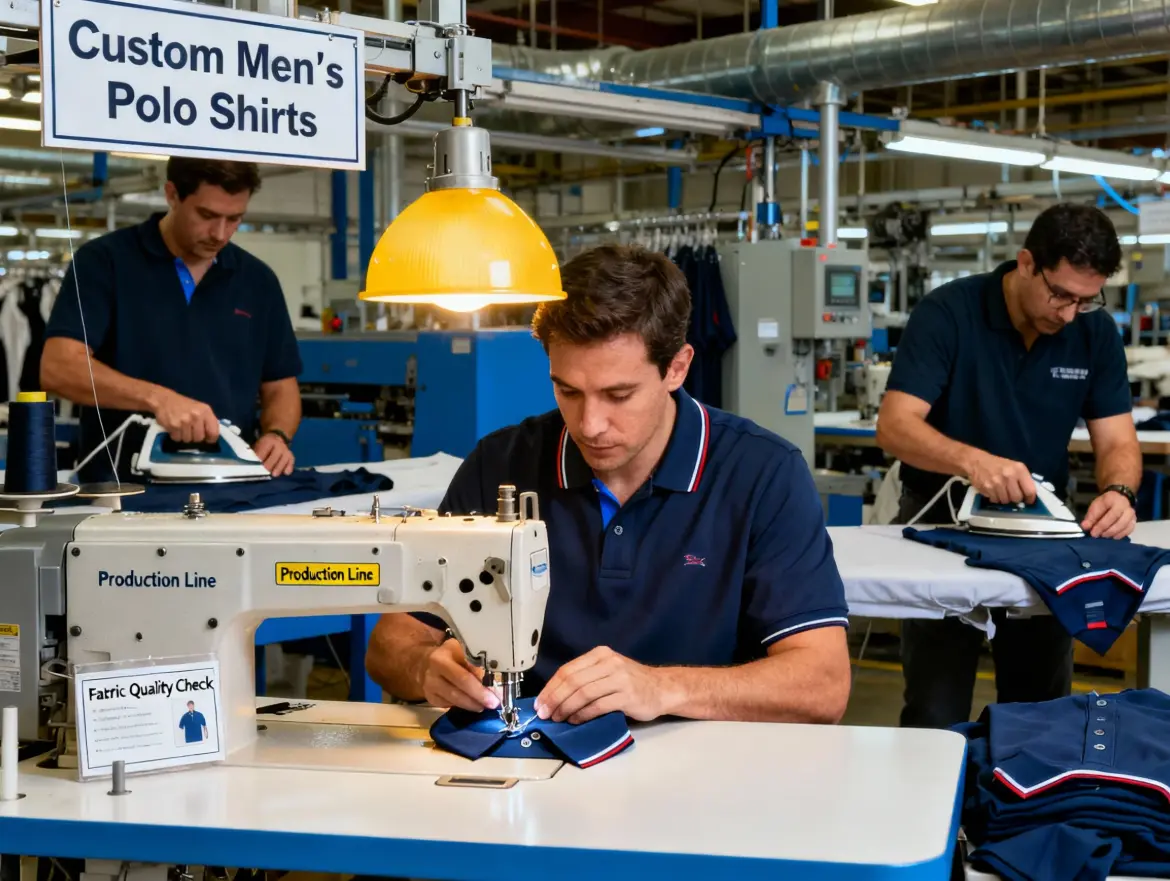
●Manufacturer Partnerships: Lets you produce larger quantities with consistent quality. Many manufacturers employ experts from top fashion schools, ensuring professional results. This frees up time to focus on marketing and growth—critical for scaling.
Print-on-Demand Options
Print-on-demand is a game-changer for startups. It minimizes upfront costs and reduces risk—you only pay for products once they’re ordered. Services like Printful and Teespring let you adapt quickly to trends, a must in fast-moving fashion.
| Method | Advantages | Disadvantages |
| DIY Production | Full control, customization, low initial costs | Labor-heavy, limited scalability, inconsistent quality |
| Manufacturer Partnerships | High output, professional quality, time-saving | Higher minimum orders, increased costs, potential communication gaps |
| Print-on-Demand | Low upfront investment, no inventory risk, design flexibility | Limited production control, longer shipping times, higher per-unit costs |
Choose the path that aligns with your brand’s goals, budget, and vision. With the right approach, you can balance creativity and practicality to build something lasting.
Creating a Compelling Business Plan
A solid business plan is your roadmap in the fashion industry. It sets achievable goals and outlines strategies for design, marketing, sales, and growth.
Goals and Strategies
Start by defining your brand’s mission and target audience. What makes your clothes unique? How will you reach your customers? Entrepreneurs with a written business plan are far more likely to succeed.
Launch with 3–8 styles to keep choices manageable for customers and costs in check. Offering multiple color options can attract a wider audience.
“Initial product launches should ideally include 3 to 8 styles,” advises the Fashion Brain Academy.
To drive sales, use a mix of digital ads, influencer collaborations, pop-up shops, and online marketplaces. Platforms like Instagram and TikTok are powerful for spreading the word about new collections.
Budgeting and Cost Management
Tight financial control is critical in fashion. A small line might cost as little as 500, while a larger launch could require up to 50,000.
Your budget should cover materials, labor, marketing, and shipping. Regularly track expenses to stay profitable—new businesses can’t afford waste. Smart cost management accelerates growth and helps you turn a profit faster.
In short, a well-crafted business plan and careful budgeting are the backbone of fashion success. With clear goals and financial discipline, you’ll lay the groundwork for long-term growth.

Designing Your Initial Collection
Your first collection is your brand’s introduction to the world—it needs to make a strong impression. Every piece should reflect your brand’s identity while appealing to your target market’s tastes.
Key Steps in Creating a Collection
1.Finding Inspiration: Blend current trends with your brand’s unique vision. Stay relevant, but don’t lose your identity.
2.Creating a Mood Board: Use colors, textures, and images to map out your design direction.
3.Sketching Designs: Turn ideas into detailed sketches that showcase your creativity.
4.Sourcing Materials: Choose fabrics that align with your designs and values—like eco-friendly options.
5.Conducting Pre-sales: Gather feedback from early customers to refine your designs.
6.Quality Control: Ensure every piece meets high standards to build trust in your brand.
Experts recommend new brands start with 3–5 pieces to simplify choices and reduce costs. Sarah Donofrio, a designer with 20+ years of experience, notes that confidence in your designs takes time—and balancing creativity with business sense is key. Most designers spend more time making decisions and managing operations than sketching.
| Aspect | Tips for Success |
| Creative Design | Adapt trends to your brand, focus on your niche. |
| Business Knowledge | Craft a detailed plan with market strategy and financials. |
| Production Management | Prioritize quality control and strong manufacturing partnerships. |
| Sales Channels | Use pre-sales and wholesale to expand your reach. |
Designing your first collection requires planning and creativity. With a clear vision, you’ll create something that resonates with customers and builds lasting brand love.
Legal Considerations and Licensing
Understanding the legal side of fashion is critical to avoiding pitfalls and protecting your brand. Familiarize yourself with these key requirements.
Choosing a Legal Structure
Your legal structure affects taxes, liability, and growth potential. Options include:
●Sole Proprietorship: Easy and cheap to set up, but you’re personally liable for debts.
●Partnership: Shared profits and responsibilities with co-owners, but similar liability risks to sole proprietorships.
●Limited Liability Company (LLC): A favorite for small businesses, offering liability protection and tax flexibility.
●Corporation: Ideal for large brands, with strong liability protection and the ability to sell stock.
Choose wisely—your structure impacts everything from day-to-day operations to securing loans or insurance.
Permits and Trademarks
Don’t skip these steps:
●Business License: Required for all brands, with rules varying by state.
●Sales and Use Permit: Necessary for selling products, whether online or in-store.
●Employer Identification Number (EIN): Needed if you plan to hire employees or scale.
Trademarks protect your brand’s name and logo—a must in a crowded market. Many small businesses face legal issues over unregistered trademarks, so don’t delay this step.
Proper registration and compliance protect your brand and pave the way for growth.
Setting Up Your Online Storefront
An online store is essential for modern fashion brands. In 2022, U.S. apparel e-commerce sales hit 180.5 billion, and they’re projected to reach 295.7 billion by 2025. Here’s how to build a successful online presence.
Choosing an E-commerce Platform
Pick a platform that fits your budget, growth plans, and needs. Shopify, WooCommerce, and BigCommerce are popular for their user-friendly interfaces and robust features. Shopify’s Starter plan, for example, starts at just $1 per month. Adding omnichannel capabilities (selling across multiple platforms) can boost revenue by 33%.
Optimizing for SEO
To attract customers, your product listings must be search-engine friendly. Use keywords like “sustainable t-shirts” or “affordable dresses” in descriptions, titles, and metadata. High-quality images improve the shopping experience—79% of users will leave a site with poor usability. Testing different strategies and showcasing customer reviews can lift your conversion rate (the average is around 2.5%).
With 46% of U.S. clothing sales now happening online, a well-designed, easy-to-use store is non-negotiable for success.
Conclusion
Launching a clothing brand blends creativity, strategy, and market smarts. From trendspotting to business planning to online sales, every step matters. Whether you choose print-on-demand for its low risk or custom production for quality, align your approach with your brand’s vision.
For new entrepreneurs, a clear brand identity and deep customer understanding are critical. Social media and influencer partnerships can amplify your reach, while competitive pricing (without undercutting quality) drives sales. Direct-to-consumer models can boost annual revenue by 30%, and niche focus can increase profits by 25%.
The secret to longevity? Innovate constantly and stay connected to your audience. Strategies like soft launches and customer retention efforts build loyalty and profitability. Starting a brand is just the beginning—consistent effort, adaptability, and a commitment to excellence will help you stand out in fashion’s competitive landscape.