



A Panoramic Guide to Wholesale Heavyweight Hoodies
Finding reliable suppliers for heavyweight hoodies is a challenging task for any brand. Brands demand products with exceptional quality and longevity, while also serving as a valuable vehicle for their creative designs. Choosing the wrong supplier can lead to wasted funds and potentially customer dissatisfaction. However, this challenge can be easily overcome by following a sound procurement process. This article systematically breaks down the entire procurement process, from defining a "heavyweight" hoodie to carefully selecting fabrics and rigorously screening suppliers, offering comprehensive guidance for brands creating high-quality hoodies.
1. Core criteria for determining a “heavyweight” hoodie
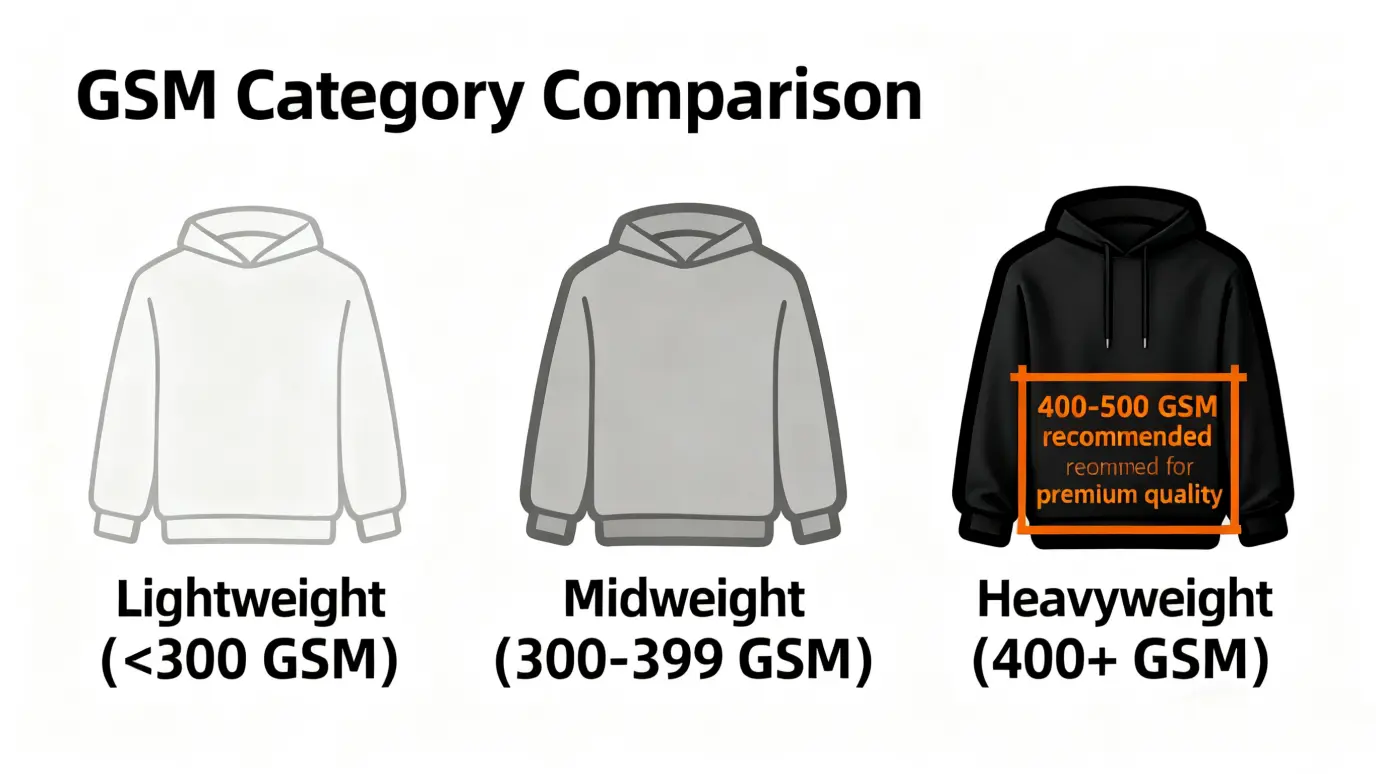
Before purchasing, it's important to understand the true meaning of "heavy"—it's not just a marketing gimmick, but a clear, quantitative indicator. The core is the fabric weight unit (GSM) (grams per square meter) . The GSM value clearly categorizes the weight of a hoodie:
| category | GSM (grams per square meter) |
| lightweight | Less than 300 GSM |
| Middleweight | 300-399 GSM |
| Heavyweight | 400 GSM and above |
| If you’re looking for high-end quality and texture, hoodies in the 400-500 GSM range are an ideal choice, and this is also the common choice of many popular streetwear brands. |
|
2. Analysis of mainstream fabrics for heavy hoodies
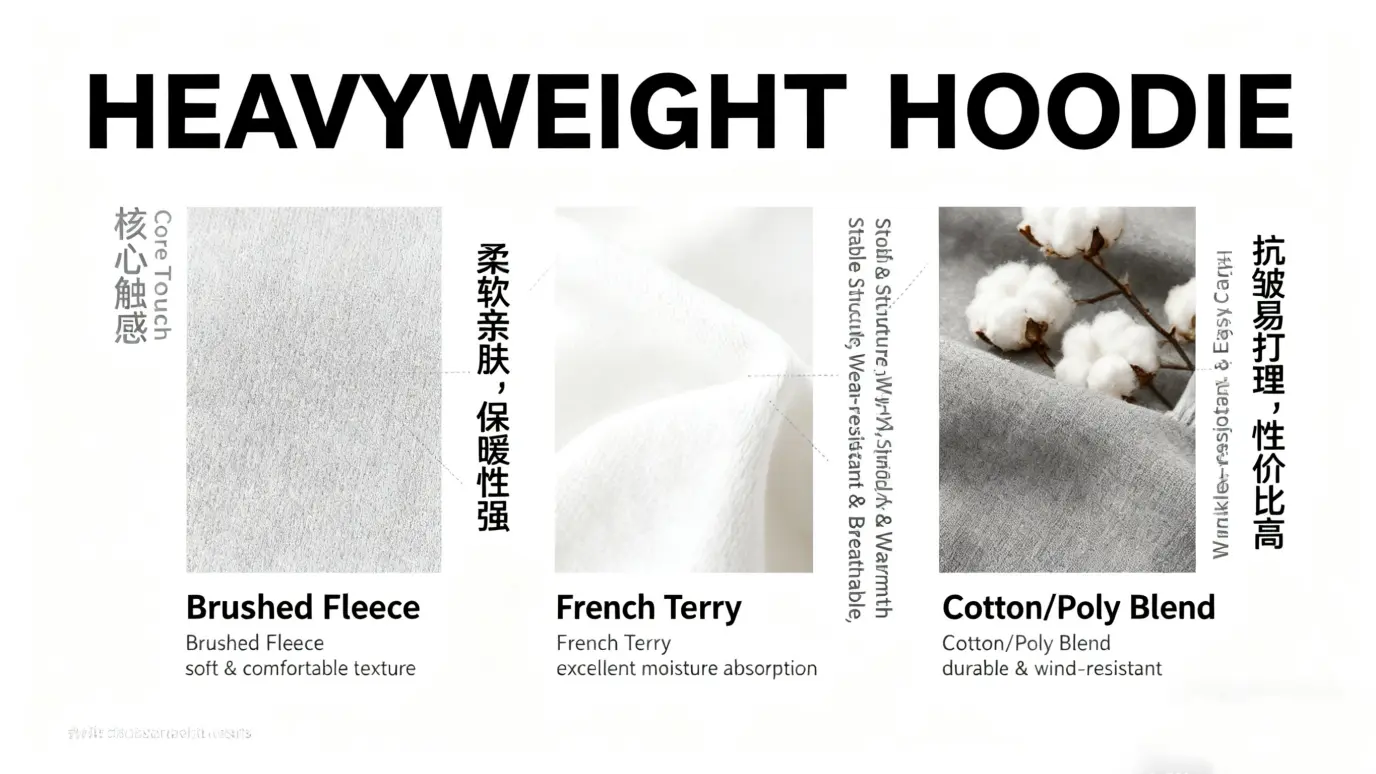
The type of fabric directly determines the final feel, performance, and application scenarios of the hoodie. The following are the core characteristics of three common fabrics:
● Inner brushed fleece fabric : With its soft, skin-friendly, warm and comfortable properties, it has become one of the most popular fabrics on the market and can bring consumers an excellent wearing experience.
● French Terry fabric : The inner side adopts a terry structure design, which not only has outstanding moisture absorption ability, but also allows the clothes to maintain a regular and crisp appearance, combining practicality and aesthetics.
● Cotton-polyester blended fabric : Combining the advantages of cotton and polyester fibers, it is more durable and windproof than 100% cotton fabric, but it has a slight gap in softness and high-end texture.
3. The strategic value of brands choosing heavyweight hoodies
Although heavyweight hoodies cost more to purchase than regular ones, from a long-term perspective, they can create greater commercial value for the brand, mainly reflected in the following four aspects:
1. Enhance brand premium space : The thick fabric and excellent texture of the heavyweight hoodie allow consumers to intuitively feel the high quality of the product. The brand can use this to set a higher retail price while strengthening its high-end brand image.
2. Reduce operational risks and costs : High-quality heavy fabrics combined with ergonomic sewing techniques can significantly reduce product returns due to quality issues, while improving customer satisfaction and accumulating long-term loyal customers through positive word-of-mouth.
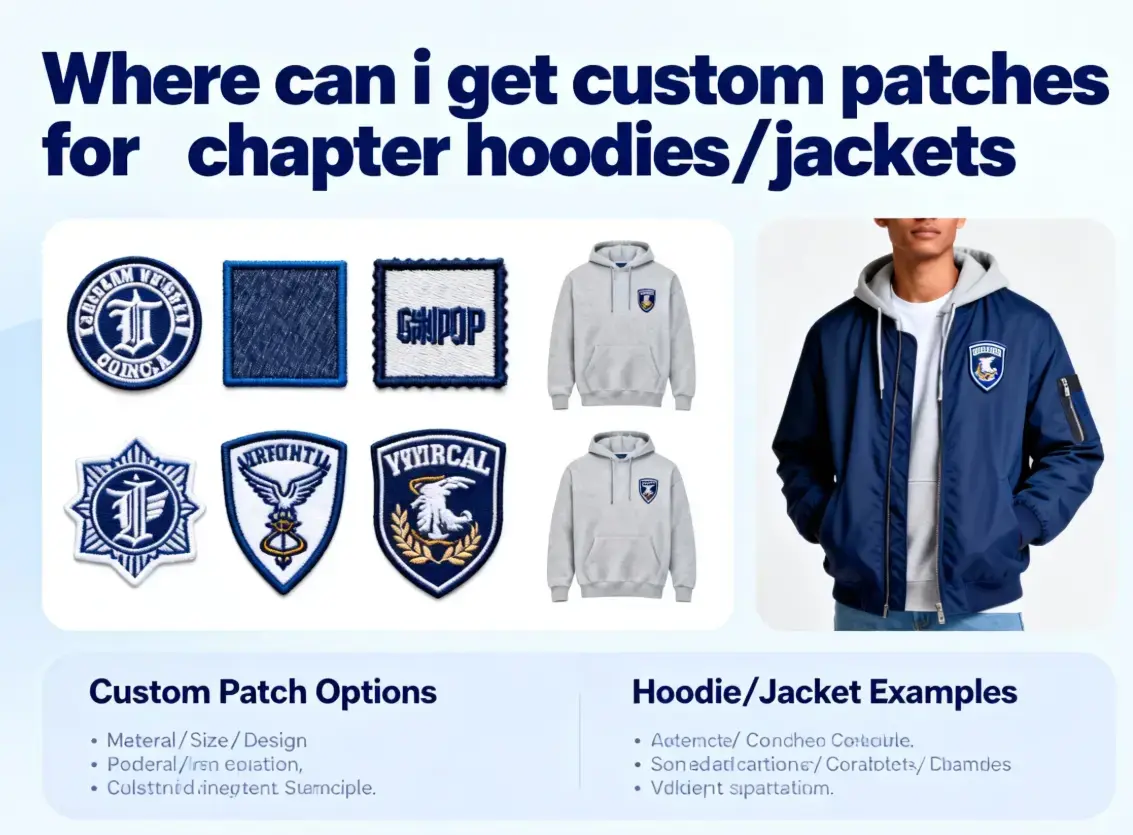
3. Expand the creative space for customization : The wholesale heavyweight hoodies are made of dense and soft fabrics, which can perfectly accommodate customization methods such as printing, embroidery and direct-to-print printing (DTG), providing more possibilities for brand design.
4. Align with fashion trends : In today's fashion landscape, particularly in streetwear and high-end casual wear, heavyweight hoodies have become the industry standard. If a product falls short of this "heavyweight" standard, it can easily make a brand appear out of touch or cheap.
4. 5-step checklist for screening heavyweight hoodie wholesale suppliers
High-quality suppliers are the key to creating high-quality products . The following five steps can effectively screen reliable partners and avoid potential risks:
1. Carefully verify product specifications : Reputable suppliers will publicly disclose core product information, such as the GSM value of the fabric, the cotton-polyester blend ratio, and the sewing process (e.g., "double-needle sewing" or "2×2 ribbing"). If a supplier only provides vague descriptions, be cautious when engaging with them.
2. Clarify order and pricing rules : Confirm the supplier's minimum order quantity (MOQ) in advance to understand whether mixed sizes and colors are supported to meet the MOQ requirements. At the same time, clarify the price discount policy for large orders. A transparent pricing system is an important prerequisite for cooperation.
3. Adhere to the sample-first principle : Never place large orders directly; always order samples for thorough testing. Upon arrival, check the weight and seam quality, test for shrinkage by washing and drying, and verify sizing. A brand has omitted this step, resulting in severe pilling in batches of product after washing, causing significant financial losses.
4. Evaluate communication and service capabilities : Communicate with suppliers via email or phone, observing their responsiveness, clarity, and professionalism. If there are delays or perfunctory responses during early communication, subsequent order issues will be difficult to resolve promptly and effectively.
5. Clarify production and logistics details : Understand the order's production lead time (delivery time), shipping location, and shipping costs. Reliable suppliers like TZ-Streetwear will be forthcoming with detailed process details from the outset, providing peace of mind.
5. Precise Selection Strategy for Heavy Hoodie Fabrics
Fabric selection should be closely aligned with brand positioning and target customer needs. The following compares three mainstream fabric types: 100% cotton, cotton-polyester blends, and French terry, based on their core characteristics and applicable scenarios.
| characteristic | 100% cotton | Cotton and polyester blend | French terry |
| touch | Soft and breathable, high-end texture | Durable and wrinkle-resistant | Regular version, good moisture absorption performance |
| Printing suitability | Excellent direct-to-print (DTG) and screen printing results | Good compatibility, but dye migration issues may occur | Smooth surface and excellent printing effect |
| Durability | Good performance, but prone to shrinkage | Excellent durability and strong anti-pilling ability | Extremely durable and maintains its shape over time |
| Price positioning | mid-to-high price range | Low to mid-price range | mid-to-high price range |
● 100% cotton and heavyweight French terry : suitable for brands positioning themselves as high-end streetwear, it can give the products top-notch texture and crisp version, in line with the high quality requirements of trendy consumers.
● Cotton-polyester blends are ideal for workwear, teamwear, or athletic apparel brands. Their excellent durability and moisture-wicking properties make them suitable for both work and sports wear. Additionally, browsing the products of high-quality blank hoodie wholesale suppliers like Expertowears and High Quality Blank Hoodies Wholesale will provide a more intuitive understanding of the performance of various fabrics.
6. Customization process and method of heavy hoodies
Once a brand has identified a supplier for blank hoodies, they can then customize them to give the product a unique branding. The characteristics of heavyweight fabrics make them perfectly suited to a variety of customization techniques. The following are the characteristics of the three main types of customization:
● Screen printing : A classic customization method in the industry, screen printing is ideal for creating eye-catching, brightly colored patterns for large orders. The thick, smooth fabric of heavyweight hoodies allows ink to adhere evenly, resulting in a clear, durable print.
● Embroidery : Embroidery offers a unique advantage in creating high-quality, three-dimensional visual effects. The stable structure of heavyweight fabrics prevents wrinkling and distortion (a common problem with lightweight fabrics). Furthermore, embroidery can add a touch of sophistication to products, helping brands increase pricing.
● Direct-to-textile printing (DTG) : Similar to printing directly onto fabric, this process is suitable for customizing complex, multi-color designs. This process works best on 100% cotton hoodies, allowing the ink to fully penetrate the fabric, resulting in a soft, integrated feel.
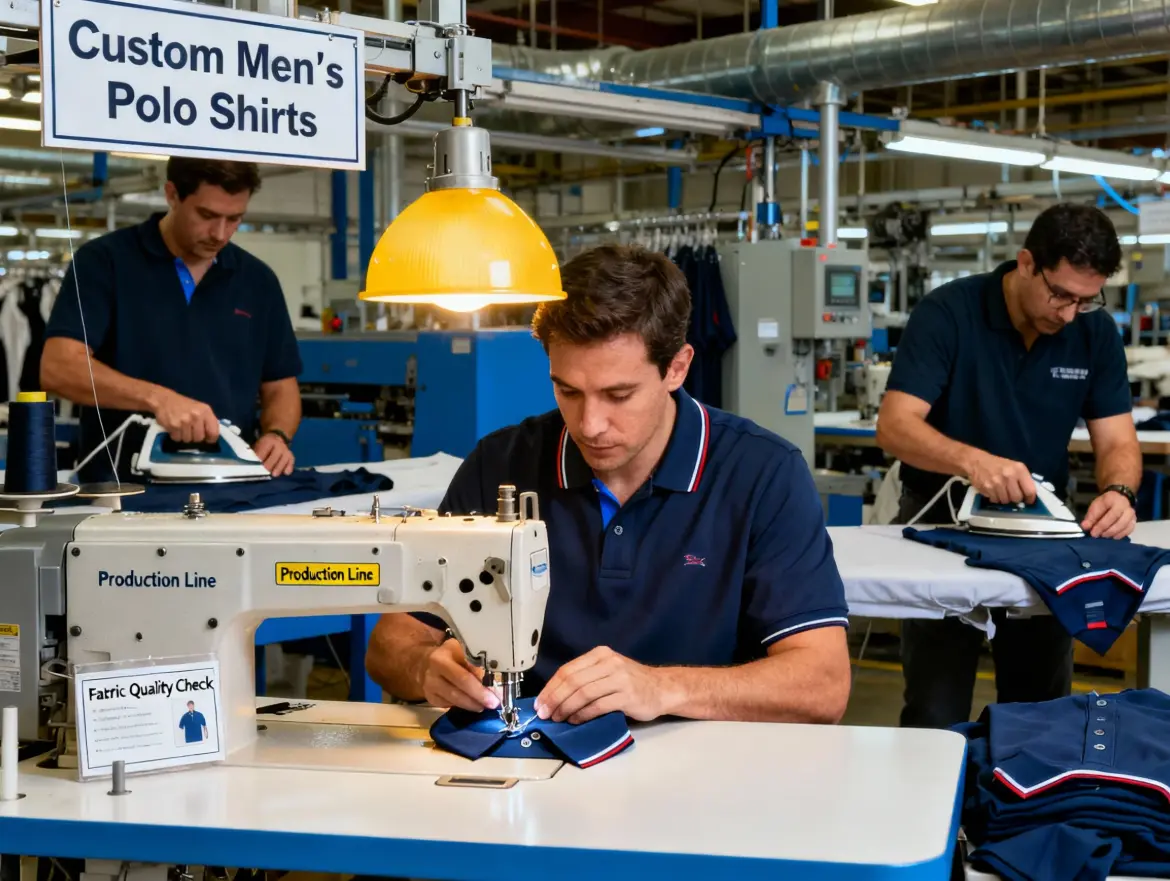
Brands looking to seamlessly transition from fabric sourcing to full production can seek out specialized partners. For example, through specialized custom hoodie manufacturing services, brands can more efficiently deliver finished products that are ready for retail.