What Is the Best Type of Men Jackets?
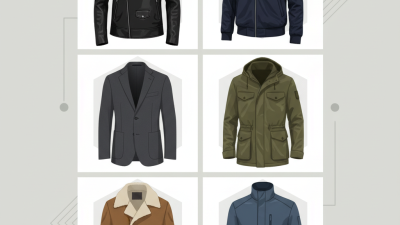
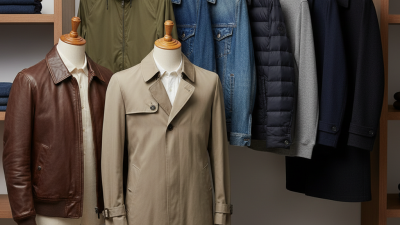
Choosing the best type of Men Jackets depends on how, where, and when you plan to wear them. A lightweight bomber may suit city commutes, while a wool overcoat offers better warmth for formal winter dressing. Leather jackets provide durability and character, but they can feel heavy during wet weather. A waterproof shell performs better for hiking and frequent rain.
The best choice is rarely the most expensive one. It should match your climate, routine, body shape, and wardrobe. Check the fabric, stitching, lining, zipper quality, and pocket design before buying. Small details matter. A smooth zipper is useful when wearing gloves. Adjustable cuffs can block cold wind. Breathable materials help prevent discomfort indoors.
Fit deserves careful attention. The shoulders should sit naturally, and the sleeves should reach the wrist. Leave enough room for a sweater without creating bulky folds. Try the jacket while moving your arms. Standing still can hide poor comfort.
Personal style also influences the answer. A clean field jacket may offer more everyday flexibility than a dramatic biker design. Yet practicality is not everything. Some people choose a jacket because its texture feels right. That decision is valid, even if it is less technical.
This guide compares popular Men Jackets by warmth, versatility, materials, maintenance, and price. It also questions common assumptions. More features do not always mean better performance. Sometimes, the simplest jacket works best.
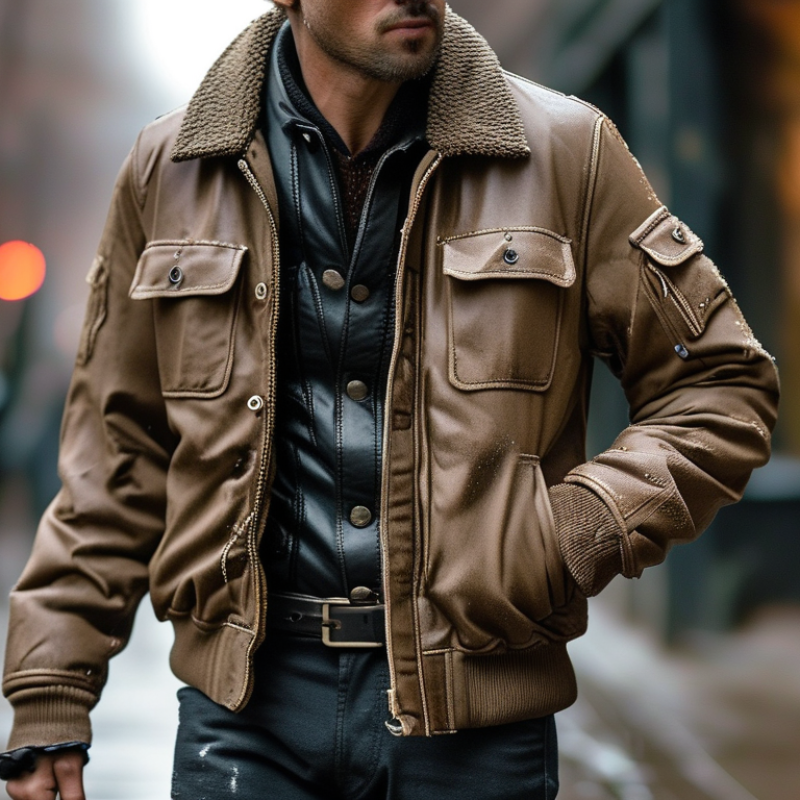
What Defines the Best Type of Men’s Jacket?
The best type of men’s jacket is defined by function, fit, and lasting comfort. A good jacket should suit the weather, your daily routine, and the clothes beneath it. Water-resistant fabric helps during light rain, while breathable materials prevent a damp feeling indoors. Strong stitching, smooth zippers, and secure pockets also reveal thoughtful construction.
Fit matters more than fashion alone. The shoulder seam should sit near the shoulder edge, and the sleeves should reach the wrist bone. Leave enough room for a shirt or thin sweater. I used to choose jackets that looked sharp but felt restrictive when driving. That was a poor choice. A practical jacket must move naturally, especially across the back and arms. Neutral colors often work harder, though personal style still matters.
Tips:
Check the jacket in motion. Sit, reach, and raise your arms before buying. Inspect the lining and seams under bright light. Consider care requirements, too. A jacket that needs constant special cleaning may become inconvenient. No jacket is perfect. Choose the one whose weaknesses fit your real life.
How to Match Jacket Types With Weather and Daily Activities
The best men’s jacket depends on the forecast, movement, and time spent outdoors. NOAA’s 1991–2020 Climate Normals show that temperature and precipitation vary sharply by region and season. A lightweight waterproof shell suits rainy commutes and sudden showers. Look for sealed seams, an adjustable hood, and ventilation openings. Breathability matters when walking quickly. Otherwise, the jacket can feel like a portable sauna.
Cold, dry weather calls for an insulated jacket with a close collar and flexible sleeves. Choose moderate insulation for city travel, but add layers for long outdoor stays. The 2024 Outdoor Participation Trends Report from the Outdoor Industry Association recorded 175.8 million U.S. outdoor participants in 2023. That broad participation includes hiking, camping, and casual outdoor exercise, each demanding different mobility. A shorter, stretchable jacket works well for cycling or climbing stairs. A longer coat protects better during slow walks.
For office travel, a clean, lightly insulated jacket can move between trains, meetings, and dinner. For hiking, prioritize weight, pocket access, and weather resistance over decoration. I have sometimes chosen warmth over ventilation and regretted it after ten minutes of walking. Personal comfort is not perfectly predictable. Check the hourly forecast, consider wind exposure, and test arm movement before buying. A useful jacket should support the activity, not compete with it.
Choosing the Right Men’s Jacket for Different Styles
What Is the Best Type of Men Jackets?
Choosing the Right Men’s Jacket for Different Styles
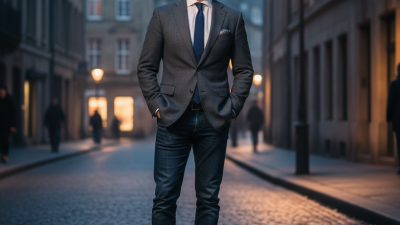
The best jacket depends on your daily setting, climate, and personal habits. A clean wool jacket suits office outfits and smart dinners. For casual weekends, choose a lightweight cotton jacket with sturdy stitching. A waterproof shell works better for cycling, commuting, or sudden rain. Check the fabric label, zipper quality, and seam finishing before buying. These details often reveal durability better than appearance alone.
Your body shape also matters. Shorter men may prefer cropped jackets that keep the legs visually longer. Taller men can balance their frame with longer cuts or layered textures. Slim fits look sharp, but excessive tightness restricts movement. I once chose a narrow jacket for its appearance and regretted it during a long train ride. Comfort should be tested with a sweater underneath. Move your arms before paying.
Tips: Match the jacket’s formality with your shoes and trousers. Keep one neutral color for frequent wear. Use breathable layers in changeable weather. Avoid oversized shoulders unless the relaxed silhouette is intentional. A jacket can look stylish on a hanger yet feel awkward outdoors. Personal preference still matters, and fashion advice is not perfectly universal.
What Is the Best Type of Men's Jacket?
Choosing the right jacket depends on warmth, weather protection, and personal style. The chart compares typical clothing-insulation values for common men's jacket types. A higher clo value generally indicates greater warmth; actual performance varies with fabric, layering, fit, and construction.
Typical insulation values are approximate reference ranges informed by clothing-insulation principles described in ISO 9920. Use lighter styles such as denim or leather for mild weather, mid-weight bombers and softshells for versatile everyday wear, and wool overcoats or down parkas for colder conditions.
How to Select a Jacket That Offers Lasting Value
What Is the Best Type of Men’s Jackets?
How to Select a Jacket That Offers Lasting Value
The best jacket is not always the warmest or most fashionable. It should match your climate, commute, and maintenance habits. During fitting-room checks, I examine the shoulder line, cuff stitching, and pocket stress points. A clean fit matters, but comfortable movement matters more. Try raising your arms. If the hem rides sharply upward, the jacket may become frustrating quickly.
Fabric choice affects service life. Dense cotton, recycled nylon, and wool blends can perform well when matched to the right conditions. However, labels alone cannot prove durability. Check seam consistency, lining attachment, zipper movement, and replaceable buttons. Textile Exchange’s Materials Market Report 2024 states that global fiber production reached about 132 million tonnes in 2023. It may reach 160 million tonnes by 2030. Buying fewer, more adaptable jackets deserves serious consideration.
Care decides value, too. A jacket that tolerates brushing, airing, and occasional professional cleaning may outlast a delicate alternative. WRAP’s Valuing Our Clothes report found that extending clothing life by nine months could reduce carbon, water, and waste footprints by around 20–30 percent. That figure is not a guarantee for every jacket. I still overvalue appearance sometimes. A slightly imperfect finish may be easier to repair and wear for years. Look for spare buttons, accessible seams, and clear care instructions. Choose function first. Style can mature.