Leave Your Message

How to Source High End Casual Dresses for Your Store?

High End Casual Dresses can give a store a clear point of difference, but “premium” must show up in the garment, not just its price tag. Customers notice fabric weight, lining, seams, and how a dress hangs after a full day of wear. They also expect an easy fit for real occasions: a weekday lunch, a commute, or an informal dinner. Getting those details right starts with choosing suppliers who can demonstrate consistent quality.

The Business of Fashion and McKinsey’s The State of Fashion 2024 projected 2–4% growth for the global fashion industry in 2024. Grand View Research estimated the global women’s apparel market at approximately $1.39 trillion in 2023, with projected growth through 2030. These figures offer useful context, but neither isolates demand for high-end casual dresses. The gap matters. Retailers should treat broad market forecasts as a starting point, then test assumptions against their own customers, price points, and sell-through data.

A practical sourcing process compares more than sample-room appearance. Check fabric composition, stitching, grading across sizes, production capacity, lead times, and reorder options. Ask suppliers for clear specifications and inspect samples under ordinary store lighting; subtle flaws can disappear in polished product photos. Small checks help. Still, no checklist guarantees a bestseller, and trend forecasts can be wrong. This guide explains how to assess suppliers, verify quality, and build a focused assortment of High End Casual Dresses without tying up too much stock in untested styles.
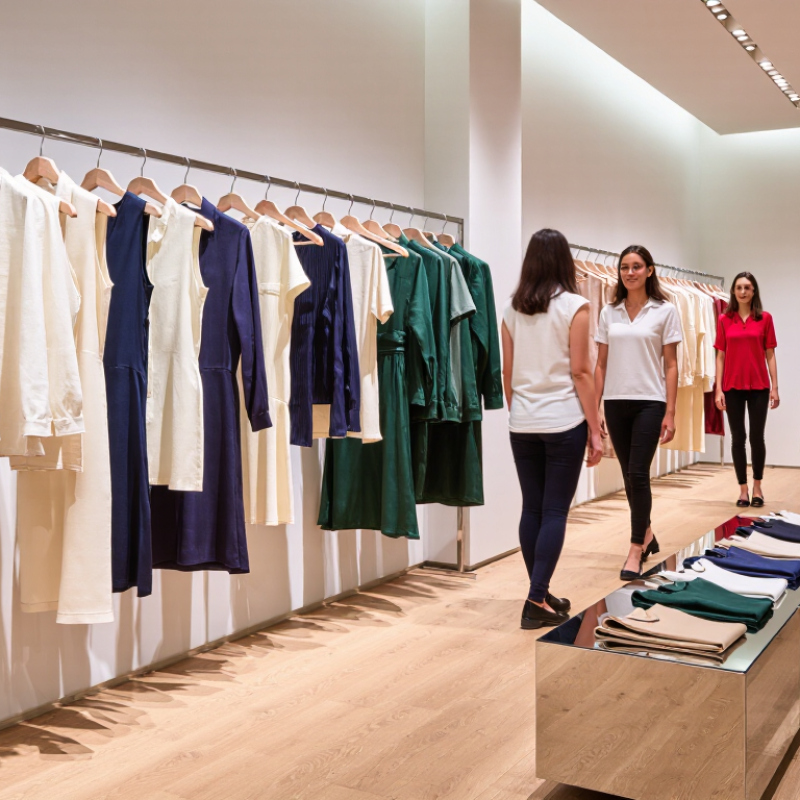
How to Source High End Casual Dresses for Your Store?

Define Your Store’s High-End Casual Dress Requirements

Before contacting suppliers, define what “high-end casual” means for your customers. Is the dress for weekday lunches, travel, or relaxed evening events? These occasions call for different fabrics, lengths, and levels of structure. A soft cotton-poplin shirt dress may suit warm days, while a lined knit style can work better in cooler weather. Be specific.

Write down your preferred silhouettes, size range, color palette, fabric feel, and target retail price. Note details customers can judge in person: neat seams, secure buttons, opaque fabric, and a zipper that moves smoothly. Ask for fabric composition and garment measurements, not just a supplier’s general quality claims. Request samples, then check them under daylight and after careful washing. Small flaws matter.

Use sales records, returns, and customer comments to shape quantities and fit expectations. If shoppers often request longer hems or roomier sleeves, include those needs in the brief. Still, past demand is not a promise. A favorite color can sit unsold when the season changes. Keep the first order measured, and leave room to revise. Perfect forecasting is unlikely. Your requirements should guide sourcing, not trap the store in one idea.
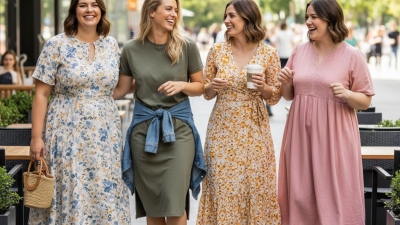
Identify and Compare Potential Dress Suppliers

Build a shortlist from suppliers whose collections match your store’s price point, customer, and preferred fit. Ask for a current line sheet, fabric details, size chart, minimum order, and production lead time. A clear reply matters. Note whether answers are specific or vague; useful details matter more than polished photos.

Order samples from two or three candidates, then inspect them side by side in daylight. Check fabric weight, lining, seam neatness, button security, zipper movement, and how evenly each dress hangs. Wear-test a sample through sitting and walking, then wash it according to the care label. Small flaws count. A slightly twisted side seam may seem minor, but repeated customer complaints can make it costly.

Compare total costs, delivery estimates, and the supplier’s process for handling defects or shade differences. Ask for references or recent production photos when available, and confirm important details in writing. It is tempting to trust a beautiful sample, but bulk garments may vary. Requesting a second sample or a small trial order can reveal inconsistencies before you commit to a larger quantity.

How to Source High-End Casual Dresses: Compare Potential Suppliers

Compare anonymized supplier profiles across key sourcing criteria. Scores are illustrative planning values on a 1–5 scale, not verified supplier data; evaluate actual suppliers using samples, written quotes, and references.

Assess Fabric Quality, Fit, and Construction

High-end casual dresses should feel comfortable without looking careless. Handle the fabric under natural light, then check its weight, drape, and opacity. A soft surface can hide weak recovery; stretch a small section and see whether it returns smoothly. Touch matters. Request full-garment samples, not just swatches, because seams and lining can change how a fabric hangs. If possible, wash one sample according to its care instructions and note any twisting, fading, or shrinkage.

Fit needs more than a flattering sample on a single model. Compare the garment’s measurements with your store’s customer profile, and check shoulder placement, armholes, waist ease, and hem balance across several sizes. Ask for fit notes or a graded measurement chart. A dress that fits well in the middle size may pull at the hips or gape at the neckline in larger sizes. That is easy to miss during a quick review.

Construction shows up in small details. Inspect seam allowances, stitching consistency, zipper movement, and whether the lining stays smooth when the dress is worn. Look inside. Uneven hems or puckered seams may signal rushed finishing, though one flaw does not tell the whole story. Record specific sample comments with photos, then request a corrected version before placing a larger order. Even careful checks can miss something; keep room in your buying schedule for another review.

Verify Supplier Standards and Review Product Samples

Sourcing high-end casual dresses begins with verifying the supplier behind the product. Request current business documents, factory details, quality procedures, and production capacity. A polished catalog proves very little. Ask how fabric composition is checked, how measurements are controlled, and who approves the final shipment. Reliable suppliers should explain their inspection process clearly, not hide behind vague promises.

Review product samples before discussing large quantities. Check stitching around the armholes, zipper movement, seam alignment, lining, and fabric recovery. Measure the dress against the supplier’s size chart. Wash or steam the sample when appropriate, then inspect shrinkage, color stability, wrinkles, and loose threads. I once focused too heavily on appearance and overlooked an uneven hem. That small error became expensive during a larger production run.

Keep written records of sample comments, approved measurements, fabric references, and packaging expectations. Request a revised sample when changes affect fit or construction. It may feel inefficient. It prevents confusion later. Suppliers should also explain lead times, minimum order quantities, replacement policies, and pre-shipment inspections. Do not accept “premium quality” as a technical standard. Define it with measurable details, photographs, and tolerances. Some suppliers may resist this level of detail, but their response is useful evidence. A cooperative partner welcomes reasonable questions and admits limitations when a requirement needs adjustment.

How to Source High End Casual Dresses for Your Store? - Verify Supplier Standards and Review Product Samples

Illustrative evaluation record. Measurements and results below are example values, not claims about a specific supplier. Set acceptance limits in your purchase specification and verify them on production-representative samples.

Evaluation area What to verify Example evidence or sample result Example buyer-set check Example status
Quality management Request the current quality-management certificate, its scope, issuing body, and validity dates. Confirm details with the issuer where possible. Certificate copy received; facility name and production scope still need independent confirmation. Verify certificate authenticity and that the named facility matches the proposed production site. Pending verification
Material traceability Check fabric composition, mill or lot identification, and whether the submitted material matches the garment sample and purchase specification. Sample label states 55% linen / 45% viscose; composition documentation supplied for review. Compare documentation, labels, and any required laboratory test results before approval. Review documents
Restricted substances Ask for test reports relevant to the destination market, fabric, dyes, prints, trims, and applicable restricted-substance requirements. A report is provided for a fabric lot; report scope and lot match have not yet been confirmed. Confirm report date, test methods, tested components, and material-lot identity against the order. Check report scope
Construction and finishing Inspect seam consistency, stitch security, zipper operation, button attachment, lining, pressing, and loose threads. One sample inspected; seams appear even, zipper works smoothly, and two loose threads were found near the hem. Record defects by location and require correction before approving the pre-production sample. Minor correction
Measurement accuracy Measure the sample flat using the agreed measurement points and compare it with the approved size chart. Size M sample: chest 96 cm, waist 82 cm, length 112 cm; values match the example spec. Example tolerance: ±1.0 cm at key points, unless the product specification sets different limits. Within example tolerance
Fabric hand and appearance Assess drape, opacity, surface texture, color consistency, and suitability for the intended season and retail positioning. Sample has a soft, medium-weight hand; slight color variation is visible between two panels under daylight. Review under consistent lighting and approve a physical color standard before bulk cutting. Color review needed
Care and durability checks Follow the proposed care instructions and assess dimensional change, appearance, seam integrity, and color change after care testing. After one wash following the proposed care label, sample length changed from 112 cm to 110.8 cm. Example limit: dimensional change no greater than 3%; confirm an appropriate test method for the fabric and market. Within example limit
Sample-to-production control Agree how the approved sample, fabric lot, trims, measurements, and inspection records will be referenced during production. Sample review sheet drafted; final signed sample and production inspection plan are not yet recorded. Retain an approved reference sample and document any authorized changes before bulk production. Complete before order

Negotiate Purchasing Terms and Plan Your Inventory

Before ordering high-end casual dresses, negotiate the details that affect your actual margin. Ask for the minimum order quantity by style and color, payment schedule, production lead time, and shipping terms. Request a written policy for shortages, damaged pieces, or garments that differ from the approved sample. A low unit price can lose its appeal when delivery is late or replacements are unclear. Get every agreement in writing.

Use samples to check fabric weight, seam finish, lining, and fit across sizes. Then build a small opening order around your customers’ likely needs, rather than buying every color in depth. A simple spreadsheet can track cost, size range, expected delivery, and planned retail price. Leave room for reorders if the supplier can replenish quickly. Confirm that timing before relying on it.

I have seen attractive assortments sit too long when the size mix was guessed from a single sample. That is worth questioning. Review weekly sell-through and keep a modest buffer for proven styles, not every new arrival. If cash is tight, ask whether the supplier will split delivery dates or allow a smaller trial run. Not every supplier will agree, and stretching payment terms too far can strain the relationship. Better to start with quantities you can explain and afford.