How to Choose the Perfect Women Black Dress for Any Occasion?
Choosing the perfect women's black dress can transform your wardrobe. These dresses are versatile and timeless. However, finding the right one requires careful consideration.
A women's black dress should reflect your personal style and the occasion. Think about fabric, cut, and length. Consider how it complements your body shape. Not every dress works for every figure. It’s essential to try on different styles. This can help you identify what feels comfortable.
Additionally, accessorizing is crucial. The right shoes and jewelry can elevate your look. However, too many accessories can overwhelm a simple dress. Balance is key. Sometimes, less is more. Each event might require a different approach to styling. Ultimately, choosing the right dress involves experimenting and reflecting on what works best for you.
Understanding the Versatility of the Black Dress for Women
The versatility of the black dress for women has been a topic of discussion for decades. Reports show that nearly 70% of women believe a little black dress is essential in their wardrobes. This classic piece can seamlessly transition from day to night, making it ideal for various occasions.
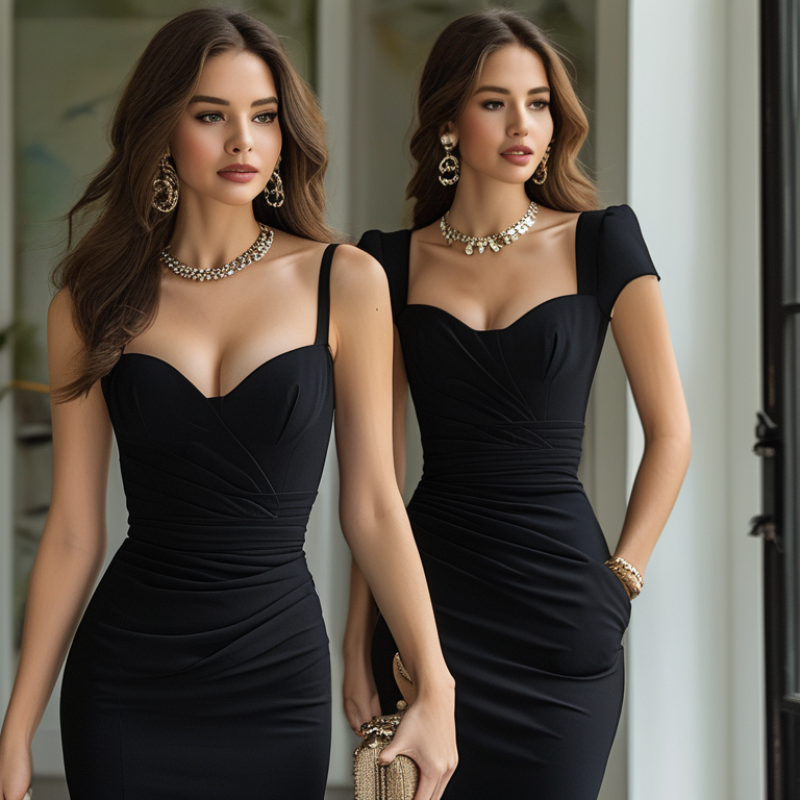
A black dress can be styled in numerous ways. During a business meeting, a tailored black dress can convey professionalism and confidence. After hours, accessorizing with bold jewelry and heels transforms the outfit for evening outings. However, the challenge lies in choosing the right fabric and fit. Poor selections can lead to discomfort, detracting from the dress's intended elegance.
Data from fashion experts indicate that nearly 50% of women struggle with finding the perfect fit. This highlights the importance of understanding body shape. An ill-fitting dress can lead to self-consciousness, which affects overall confidence. Women should explore diverse styles and seek expert tailoring to enhance their silhouette. Embracing imperfections in fit and style can lead to a unique, personal expression.
Popularity of Black Dress Styles for Various Occasions
This chart illustrates the popularity of different styles of black dresses among women for various occasions, highlighting their versatility. The data represents the percentage of women preferring each style for specific events.
Identifying Your Body Type and Finding the Right Fit
Choosing the right black dress begins with knowing your body type. Whether you have an hourglass, pear, or rectangular shape, each silhouette demands a different style. A fitted dress may accentuate your curves beautifully if you have an hourglass figure. In contrast, an A-line dress can create an elegant look for a pear shape, offering balance and grace.
Finding the right fit also depends on understanding shoulder and bust measurements. A dress with structured shoulders can help define a rectangular body type. Pay attention to details like neckline and sleeve length, as these can influence overall appearance. Consider your comfort level too. Sometimes, we choose styles that look appealing yet feel restrictive. Reflecting on how a dress moves with you matters more than following a fleeting trend. Each choice should blend confidence with personal comfort.
How to Choose the Perfect Women Black Dress for Any Occasion?
| Body Type |
Best Dress Style |
Recommended Fit |
Occasion |
| Pear Shape |
A-line Dress |
Fitted at the top, flares around hips |
Casual, Parties |
| Apple Shape |
Empire Waist Dress |
Looser fit around waist, structured bodice |
Formal Events, Dinners |
| Hourglass |
Bodycon Dress |
Fitted to accentuate curves |
Night Out, Cocktails |
| Rectangle Shape |
Shift Dress |
Straight fit, adds volume |
Casual, Office Wear |
| Inverted Triangle |
A-line or Flared Dress |
Fitted bodice with flared skirt |
Cocktails, Weddings |
Choosing the Right Fabric and Style for Different Occasions
When selecting the perfect black dress, fabric is essential. Different materials serve varying purposes. For formal events, choose luxurious fabrics like silk or satin. These create an elegant drape and catch the light beautifully. For casual outings, cotton or jersey fabric is comfortable and breathable, making them easier to wear throughout the day.
Style also plays a significant role. A fitted, knee-length dress often works well for cocktail parties. Its silhouette flatters various body types. However, keep in mind that trends can mislead you. Oversized styles may seem chic but not suit every body shape. Always try on different cuts. A-line or wrap dresses can be more forgiving and offer a classic look.
Consider the occasion when making your choice. A chic black dress for a wedding should differ from one worn at a business meeting. In professional settings, opt for a structured design. Flowy styles might be too casual and could lead to discomfort. Balance your preference with practicality. Remember, the ideal dress enhances your individuality while respecting the event's atmosphere.
Accessorizing Your Black Dress: Tips to Elevate Your Look
Accessorizing your black dress can transform your look from simple to stunning. Start with jewelry—choose pieces that complement the neckline.
For a scoop or V-neck dress, opt for a statement necklace. If your dress has a higher neckline, consider bold earrings to draw attention to your face. Layering delicate rings can add texture without overwhelming the outfit.
Don't forget the power of accessories like belts. A sleek belt can define your waist, adding structure to your silhouette. Experiment with colors, textures, and widths to find what enhances your features.
A chunky belt works well for a casual vibe, while a thin, elegant belt adds sophistication.
Footwear is another key element in accessorizing. Heels can elongate your legs, while ankle boots provide an edgy look. Choose colors that either match or contrast nicely with your dress.
Remember to reflect your personality—wear something that feels authentic to you.
Accessories can elevate your overall ensemble, but be mindful not to overdo it. Simplicity can often be more impactful.
Caring for Your Black Dress to Ensure Longevity and Elegance
Caring for your black dress is essential to ensure its longevity and elegance. Start by washing it gently. Always check the care label for instructions. Using cold water and a mild detergent helps maintain the fabric's quality. Avoid bleach, as it can damage the color. Hang it to dry in a shaded area to prevent fading from sunlight.
Storing your black dress requires attention. Keep it in a cool, dry place. Use padded hangers to avoid shoulder marks. If you fold it, use acid-free tissue paper to prevent creases. Regularly check for any signs of wear, such as loose threads or seam issues. Address these problems early to extend the life of the dress.
In terms of upkeep, think about rotating your wardrobe. Wearing the same dress repeatedly can lead to premature wear. Try to alternate with other pieces. Finally, embrace imperfections. A small snag or wrinkle can add character to your outfit. Reflect on the wear and care, as they tell the story of your unique style journey.