How to Choose Natural Materials Clothing for Sustainable Fashion?
In the world of sustainable fashion, the choice of Natural Materials Clothing carries significant weight. As expert Linda Wong emphasizes, "Choosing natural materials is a crucial step toward a greener future." This insight highlights the importance of material selection in reducing environmental impact.
Natural Materials Clothing includes fabrics like organic cotton, linen, and hemp. These materials are often biodegradable and require less water and chemicals during production. Yet, many consumers still overlook their benefits. This oversight leads to over-reliance on synthetic fabrics.
While the allure of fast fashion can tempt many, it is essential to consider the long-term consequences. Natural Materials Clothing not only supports ethical production methods but also promotes a healthier planet. Investing in such clothing is a commitment, yet reflecting on our purchasing habits can lead to meaningful change.
Understanding Natural Materials: Definition and Benefits
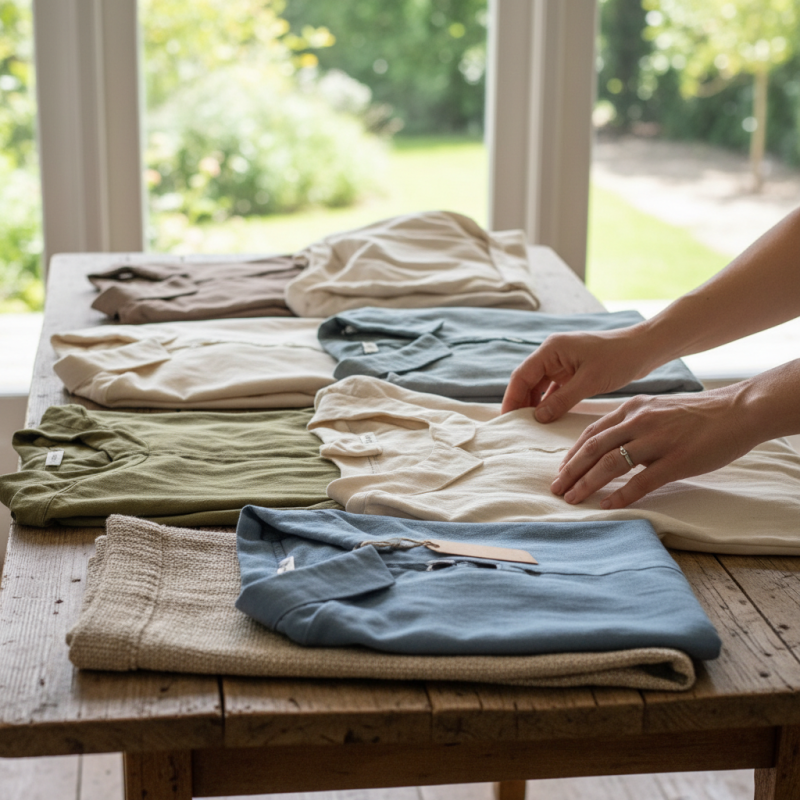
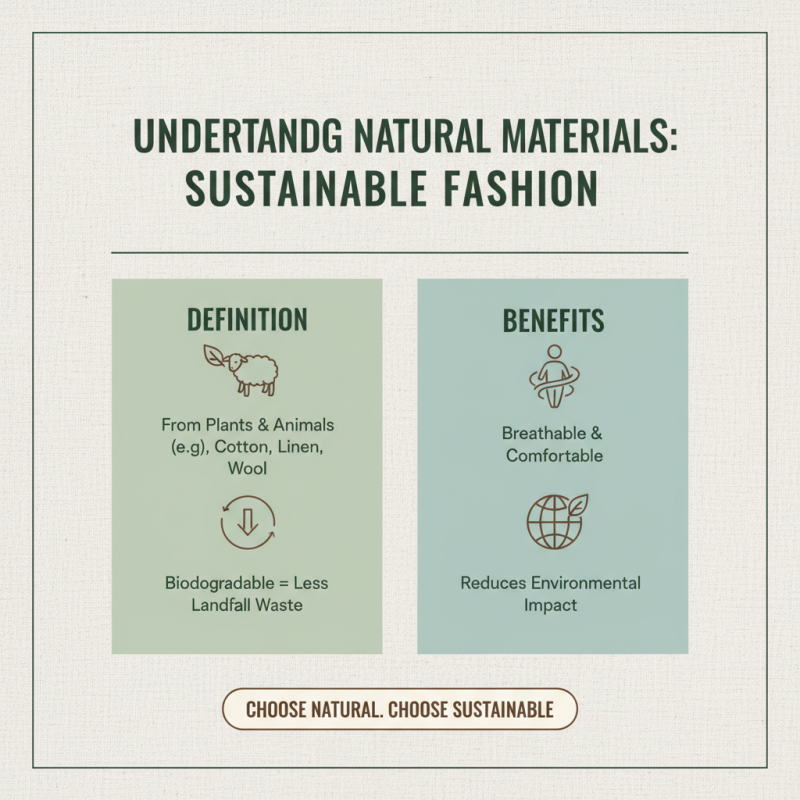
Choosing natural materials for clothing is essential for sustainable fashion. Natural materials, like cotton, linen, and wool, come from plants and animals. They are biodegradable, which means they break down easily in the environment. This reduces waste in landfills. Additionally, natural fibers tend to be more breathable and comfortable to wear.
One benefit of natural materials is their impact on skin health. Synthetic fabrics may cause irritation or allergic reactions. Natural fabrics, on the other hand, are often softer. They can be safer and more comfortable for everyday wear.
**Tips:** When shopping, feel the fabric. Does it feel soft against the skin? Pay attention to the label. Look for terms like “organic” or “eco-friendly.” These certifications often indicate better environmental practices. Explore second-hand options. Vintage pieces often use high-quality natural fibers that last longer. It’s worth considering, even if it’s not a perfect fit.
Natural materials can also come with challenges. Not all natural fabrics have the same durability. For instance, cotton may not last as long as polyester. Sometimes, they require more maintenance, like special washing instructions. Keep this in mind when making your choices.
Evaluating Common Natural Fabrics: Cotton, Linen, and Wool
Natural materials are a key part of sustainable fashion. When choosing clothing, it's essential to know the benefits and drawbacks of each fabric. Three common natural fabrics are cotton, linen, and wool. Each has unique qualities that cater to different needs.
Cotton is soft and breathable. It feels good against the skin. However, it requires a lot of water to grow. Choosing organic cotton reduces pesticide use. Look for certifications—these can guide your choices. If you don’t see a label, it’s hard to know if the cotton is genuinely sustainable.
Linen, on the other hand, is made from flax. It’s stronger than cotton and becomes softer with each wash. Yet, it can wrinkle easily. It’s ideal for summer wear. If you appreciate texture, linen might speak to you. Just remember, the production process can also impact the environment.
Wool is warm and durable. It regulates temperature, making it great for cold weather. However, some people find it itchy. Ethical sourcing is crucial. Ask questions about animal welfare. This transparency can help you make informed choices.
**Tips:**
Choose clothing with care. Look at labels and ask questions. Trust your instincts about materials.
Consider the lifecycle of the fabric. Where does it come from? How is it made?
Reflect on your wardrobe needs. What fabrics suit your lifestyle? Find a balance between comfort and sustainability.
How to Choose Natural Materials Clothing for Sustainable Fashion? - Evaluating Common Natural Fabrics: Cotton, Linen, and Wool
| Fabric Type |
Breathability |
Durability |
Moisture Absorbency |
Environmental Impact |
Care Instructions |
| Cotton |
High |
Moderate |
Excellent |
Pesticides, water intense |
Machine wash, tumble dry |
| Linen |
Very High |
High |
Good |
Low impact, biodegradable |
Machine wash, air dry |
| Wool |
Moderate |
Very High |
Good |
Varies, often pasture land |
Hand wash, lay flat to dry |
Sustainable Sourcing: How to Identify Ethical Brands
In today’s fashion landscape, ethical brands are essential for sustainable clothing. You need to know how to identify them. Look for certifications that guarantee eco-friendly practices. Labels often display these certifications, providing insight into their sourcing and manufacturing processes. Transparency is key. Brands should openly share their supply chain details.
Tips: Check their website for sustainability reports. Look at their storytelling. If a brand communicates openly, it shows commitment.
Another important point is to scrutinize materials. Organic cotton, bamboo, and recycled fibers are excellent choices. Brands that prioritize these materials often care about their impact. Remember, the absence of harmful chemicals matters as well. Seek out those who focus not just on aesthetics but also on ecological practices.
Tips: You can read reviews to gain insights. Conversations on social media can reveal a lot. Often, consumers share their experiences with brands, good and bad. Don’t overlook this resource. Recognize your role as a consumer. By making informed choices, you influence the market.
Natural Materials in Sustainable Fashion
This chart represents the popularity of various natural materials in sustainable fashion. As consumers become more environmentally conscious, the demand for sustainable and ethical clothing options increases, reflecting the shift towards organic cotton and bamboo as preferred choices.
The Role of Certifications in Natural Clothing Selection
When choosing natural materials for sustainable fashion, certifications play a key role. They help consumers identify genuine eco-friendly products. Many labels exist, but not all are equal. Look for certifications like GOTS and OEKO-TEX. These ensure materials are organic and safe for skin.
A label may look convincing, but deeper research is essential. Some certifications have loose guidelines. They might allow tiny amounts of synthetic fibers. This diminishes the natural aspect of the clothing. Transparency is vital. Investigate the company’s sourcing and production practices. Are they open about where materials come from?
Shopping for natural clothing can feel overwhelming. The variety is vast, and messages are often confusing. Some brands promote solely eco-friendly aesthetics. Yet, their production remains questionable. Reflect on what sustainability means to you. Consider how your choices impact the planet. Each purchase is a vote for the kind of world you want to support.
Care and Maintenance: Extending the Life of Natural Fabric Garments
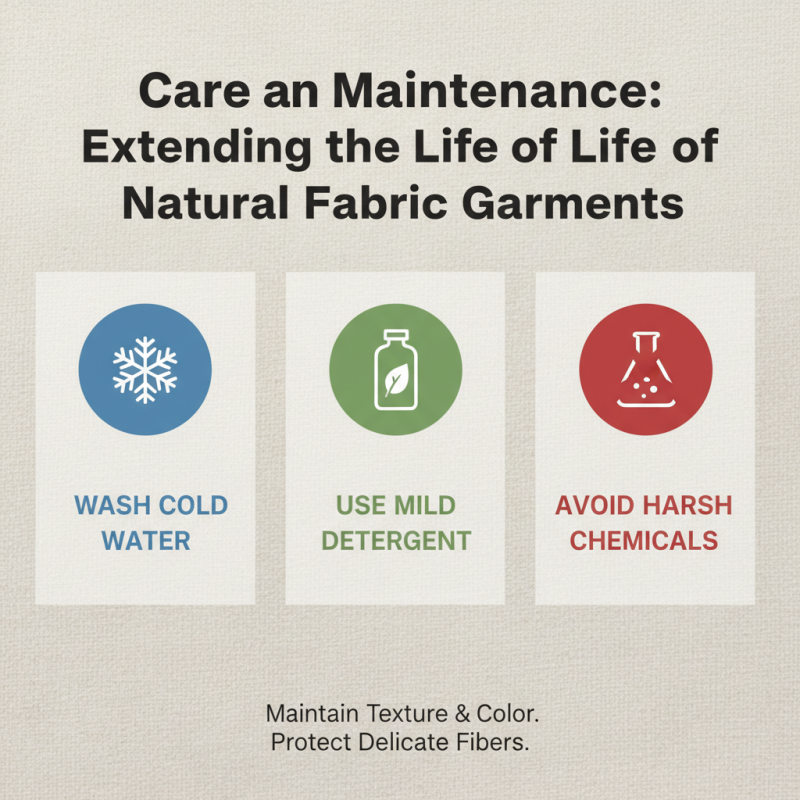
Natural fabric garments deserve proper care to extend their life. Washing them correctly is vital. Use cold water and mild detergents. This helps maintain their texture and color. Avoid harsh chemicals. They can damage delicate fibers.
Drying clothes can be tricky. Line drying is the best option. It’s eco-friendly and gentle on fabrics. However, sunlight can fade some materials. Shade drying may be necessary. Remember, natural fabrics can shrink. This can be frustrating, but careful drying minimizes this risk.
Storage is equally important. Use breathable garment bags. Avoid plastic, as it traps moisture. This can lead to mold. Check your closet's humidity. It should be low. Rotate your clothes occasionally. This avoids wear from hanging too long. Each step in care counts. Natural fabrics need love and attention. If not, they can quickly wear out. Be mindful of their needs and enjoy the beauty of sustainable fashion.