2026 How to Choose Natural Materials Clothing for Sustainable Fashion?
In the quest for sustainable fashion, the choice of Natural Materials Clothing plays a crucial role. As consumers become increasingly aware of environmental issues, many seek clothing options that reflect their values. Natural fibers such as cotton, linen, and hemp are not only biodegradable, but they also reduce our reliance on synthetic materials.
However, selecting the right materials can be challenging. Not all natural fibers are produced sustainably. Factors like pesticide use and water consumption vary widely among brands. Transparency from companies is vital. Consumers must research and ask questions about sourcing and production practices. Are the materials ethically sourced? Is the production process environmentally friendly?
Moreover, while natural materials offer many benefits, they may not always meet durability or cost expectations. There can be trade-offs between sustainability and practicality. Recognizing these challenges is essential for making informed choices. By choosing Natural Materials Clothing, we can support a more sustainable fashion industry, but we must remain critical and engaged in our purchasing decisions.
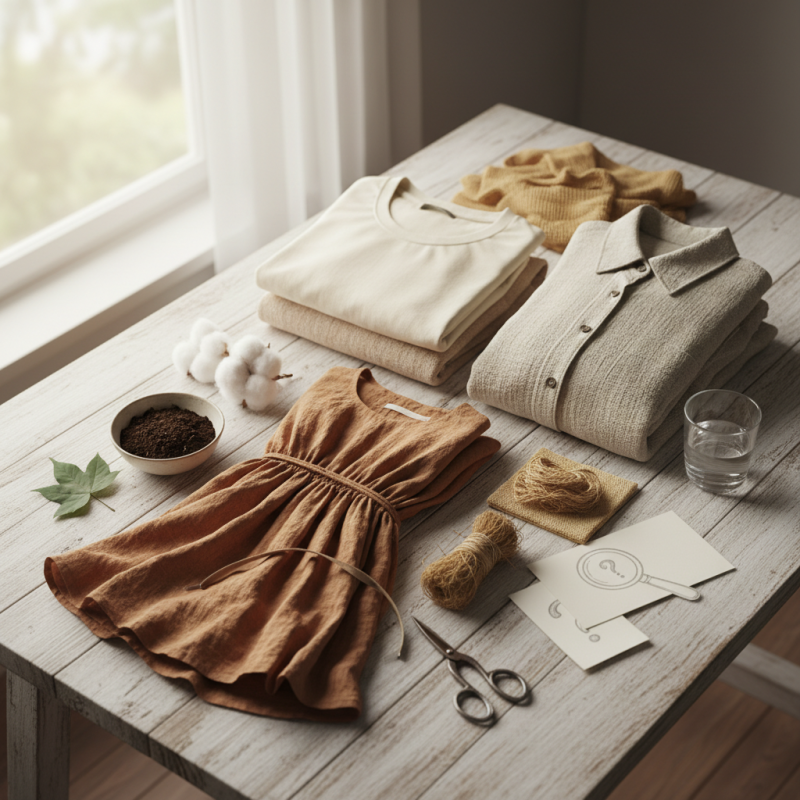
Understanding Natural Materials in Fashion Sustainability
Sustainable fashion is gaining traction. Understanding natural materials is crucial for making informed choices. Natural fibers like cotton, wool, and hemp have distinct benefits. According to the Textile Exchange, organic cotton uses 88% less water than conventional cotton. This statistic highlights the importance of sustainable sources.
Many people overlook the environmental impact of their clothing choices. For instance, conventional manufacturing processes can emit pollutants. Switching to natural materials can significantly reduce those emissions. It is essential to consider certifications such as Global Organic Textile Standard (GOTS). These labels ensure that materials are produced sustainably and ethically.
Tips: Always check the sourcing of materials. Look for transparency in production practices. Support brands that prioritize ethical manufacturing. Engaging with sustainable fashion promotes better practices.
Additionally, while natural materials generally offer benefits, they may not always be perfect. Some natural fibers can require more water or land. It's vital to remain critical and choose wisely. Balancing personal style with sustainability can be challenging but rewarding. Making careful choices will foster a more conscious wardrobe.
Identifying Common Natural Materials Used in Clothing
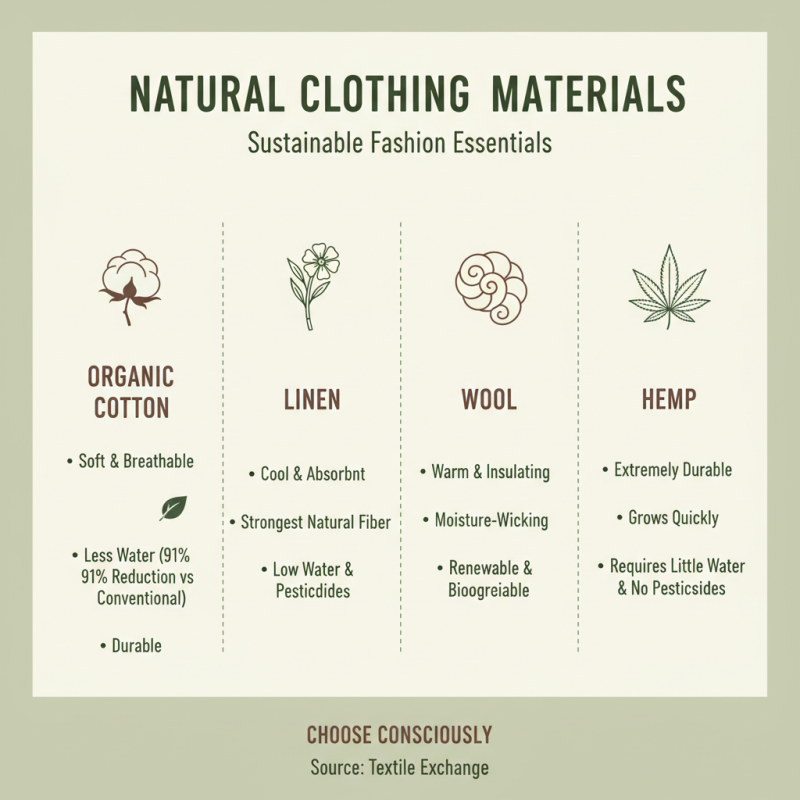
When choosing clothing for sustainable fashion, understanding natural materials is key. Many consumers overlook the significance of material origins. Common natural fabrics include cotton, linen, wool, and hemp. Each has unique properties and eco-footprints. For instance, organic cotton uses 91% less water than conventional cotton, according to the Textile Exchange.
Linen, derived from the flax plant, is highly sustainable due to its low resource requirements. It often requires no pesticides and grows well in poor soil. Reports indicate that hemp can regenerate in three months and produces 250% more fiber per acre than cotton. These options provide a balance between comfort and environmental responsibility.
However, not all natural materials guarantee sustainability. The production processes may still involve harmful chemicals. Transparency in sourcing is essential for consumers looking to make informed choices. Awareness about certifications can guide better decisions. They help distinguish genuinely sustainable options from misleading claims. Understanding materials can be complex, but it is crucial for a more sustainable wardrobe.
Evaluating the Environmental Impact of Natural Materials
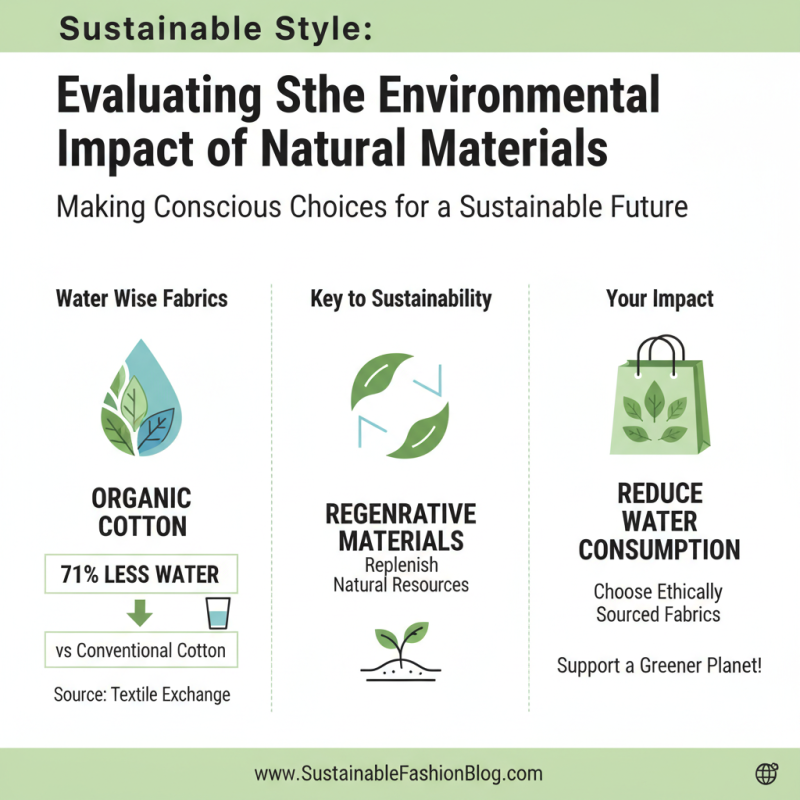
When considering sustainable fashion, evaluating the environmental impact of natural materials is essential. According to the Textile Exchange, organic cotton uses 71% less water than conventional cotton. Choosing fabrics derived from sustainable practices is crucial in reducing water consumption. This highlights the importance of supporting materials that regenerate rather than deplete natural resources.
Another study by the Global Fashion Agenda indicates that up to 60% of fashion’s greenhouse gas emissions come from textile production. Fabrics made from recycled materials can help mitigate this impact. For example, recycled polyester can reduce emissions by up to 32% compared to virgin polyester. This statistic urges consumers to think critically about their choices in materials and their broader impact on climate change.
However, the sustainable narrative is complex. Not all natural materials are created equal. Some, like conventional linen, can be resource-intensive. It’s necessary to assess each material's lifecycle, from production to disposal. Making informed choices requires ongoing research and reflection on the real costs associated with our clothing choices. Evaluating certifications and understanding the origin of materials can promote genuine sustainability in fashion.
Tips for Selecting Certified Sustainable Fashion Brands
When selecting sustainable fashion brands, it's crucial to look for certifications. Certifications signify the brand’s commitment to eco-friendly practices. These labels can vary widely, so understanding their meaning helps in making informed choices. Look for certifications like Global Organic Textile Standard (GOTS) or OEKO-TEX. These assure that materials used are genuinely organic and free from harmful substances.
Investigating a brand's transparency can also guide your decision. Brands should openly share their sourcing practices and production methods. Research their supply chain. Are they ethical? Do they prioritize fair labor? Finding accessible information fosters trust. Authentic brands will not shy away from disclosing their practices, even if not all processes are perfect.
Understanding the materials plays a vital role too. Sustainable options often include organic cotton, hemp, and linen. However, not all 'natural' materials are equal. They might have hidden environmental impacts. This makes it vital to dig deeper. Analyze whether the materials are sourced sustainably. Skepticism is often warranted; perfect solutions in sustainable fashion are hard to find and should be approached with a critical eye.
Caring for Natural Material Clothing to Extend Longevity
Natural materials are a great choice for sustainable clothing. However, caring for them is essential to extend their longevity. Proper maintenance helps you enjoy these garments for years. Different materials require specific care routines. For instance, cotton needs gentle washing while wool benefits from less frequent cleaning.
Tips: Always read care labels. They provide important instructions. Use eco-friendly detergents to minimize environmental impact. Hand washing is often gentler than machines. Drying in the sun can fade colors, so opt for shaded areas.
Avoid excessive ironing; high heat can damage fibers. Store clothes in a cool, dry place. Invest in good hangers that support the fabric. Reflect on your washing habits; less frequent laundering can prolong garment life. Embrace restoring or mending instead of discarding damaged items. These practices nurture a sustainable wardrobe that honors the natural materials.
This chart compares key sustainable natural materials for fashion by their environmental impact measured in kg CO2 equivalent per kg of fabric and garment longevity in years. Choosing materials like hemp or linen offers lower environmental footprints and longer durability, promoting sustainable fashion and extending the life of clothing.