Wholesale fashion moves quickly, but dependable buying decisions require more than attractive photographs. This guide introduces 10 Best Women Trendy Dresses for wholesale buyers seeking commercial appeal, consistent quality, and practical margins. The selection considers current silhouettes, fabric performance, size availability, color flexibility, and customer demand across different markets.
Real sourcing experience shows that small details matter. A soft lining can improve comfort. Strong seams reduce return risks. Accurate measurements support smoother inventory planning. Buyers should also review minimum order quantities, lead times, packaging, and supplier communication before placing an order. These checks help transform a promising style into a reliable wholesale product.
Trends can change overnight.
No dress suits every customer. A bodycon design may perform well in urban boutiques, while relaxed midi dresses may suit broader markets. Seasonal weather, local preferences, and retail price levels also influence performance. Forecasts are useful, but never perfect. Even experienced buyers can misjudge a color or order too deeply. Sample testing, customer feedback, and small initial purchases can reduce that uncertainty.
This overview draws on practical apparel evaluation principles and responsible wholesale planning. It focuses on wearable designs, transparent product information, and commercially realistic choices. Buyers should verify fabric composition, care instructions, sizing standards, and applicable trade requirements with each supplier. The goal is not to chase every viral style. It is to identify dresses that look current, feel dependable, and support long-term customer trust.
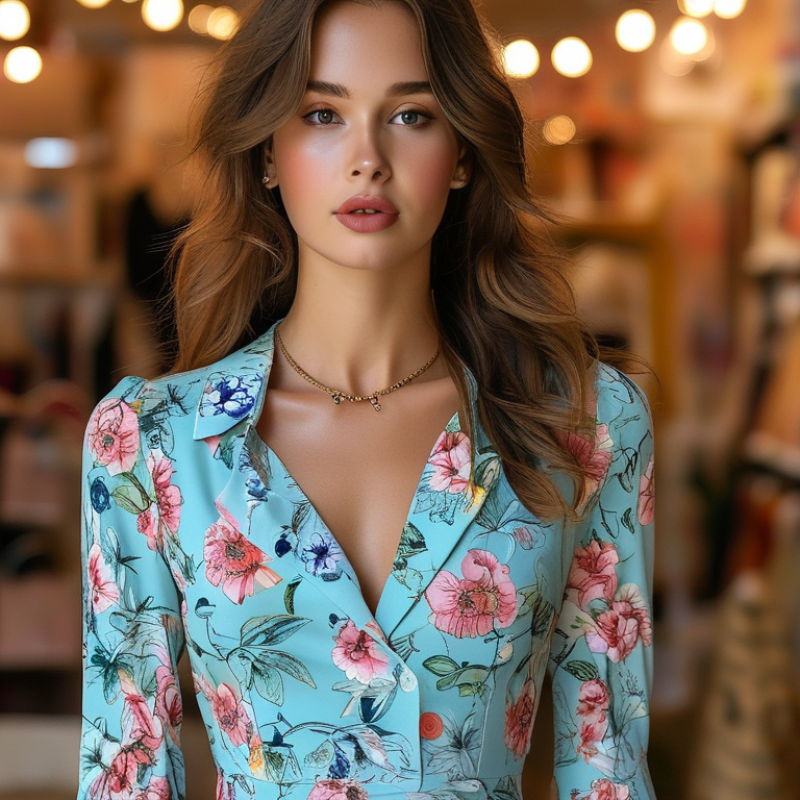
Women’s trendy dresses remain a flexible category for wholesale buyers, especially across online boutiques and seasonal retailers. Current demand favors wearable designs with a noticeable detail.
Popular options include ribbed knit dresses, relaxed shirt dresses, wrap silhouettes, satin styles, tiered midis, and lightweight maxi dresses. Midi lengths often work across several age groups. Neutral colors support repeat sales, while one vivid seasonal shade can create visual interest.
Wholesale buyers should study fabric weight, size distribution, and regional weather before placing larger orders. Soft jersey suits everyday demand, while structured cotton and satin fit occasion-focused collections.
Practical details matter. Pockets, adjustable straps, lining, and stable seams can improve customer satisfaction. In my experience, buyers often overestimate dramatic designs. A striking cut may photograph well but sell slowly in physical stores. Trend forecasting is never perfect.
Tips: Request samples before confirming bulk production. Check shrinkage after washing and inspect stitching around zippers. Compare measurements across sizes, not only the sample size. Track sell-through weekly and reorder proven shapes carefully. Keep some room for mistakes; even reliable market signals can change after a new season begins. Clean product photos, accurate fabric descriptions, and transparent delivery timelines also build trust with retail partners.
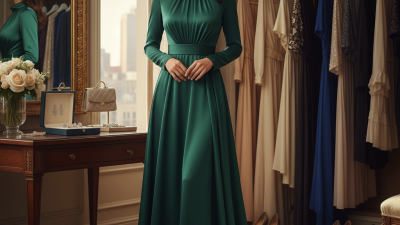
Wholesale buyers are watching ten dress styles shaping current women’s fashion trends. Slip dresses remain popular because their fluid satin-like lines suit evening events and layered daytime outfits. Midi dresses offer reliable coverage, while wrap dresses support adjustable fitting across varied body shapes. Shirt dresses bring polished structure, especially with crisp collars, waist ties, and practical front buttons. Maxi dresses continue to attract shoppers seeking movement, comfort, and dramatic length. Knit dresses add softness for transitional seasons, but fabric recovery must be tested carefully. Demand shifts quickly.
Puff-sleeve dresses create visible volume through gathered shoulders and defined cuffs. Denim dresses provide durability and casual appeal, especially in washed blue and ecru tones. Cutout dresses introduce a modern edge, although modest placement can improve wider market acceptance. Tiered dresses use layered skirts to create movement without complex styling.
In wholesale line reviews, I check seam strength, lining quality, size consistency, and color performance before judging appearance. A beautiful sample can still fail after repeated washing. Details matter.
Buyers should compare wholesale pricing with fabric weight, labor quality, and expected return risks. Trend reports help, but customer data offers stronger evidence. Some oversized silhouettes photograph well yet sell slowly in conservative markets. That mismatch deserves honest review. Stocking several lengths, neutral shades, and a few expressive colors can balance trend appeal with dependable turnover.
When selecting the 10 best trendy dresses for wholesale, fabric performance should guide the decision. Cotton blends offer breathability, while polyester blends often improve durability and wrinkle resistance. Viscose creates a soft drape but may shrink without proper finishing. Check fabric weight, stretch recovery, opacity, and colorfastness before placing a large order. Touch matters. So does testing.
Sizing must reflect the customers you intend to serve. Request a complete measurement chart, including bust, waist, hip, shoulder, and dress length. Compare those figures with samples from actual production, not only digital specifications. A two-centimeter difference can change the fit noticeably. I once approved a flattering sample that became restrictive after grading. That mistake was avoidable. Leave room for tolerance, and confirm whether measurements are taken flat or around the body.
Quality inspection should cover stitching, seam strength, hems, zippers, buttons, lining, and loose threads. Examine several pieces from different cartons, because one perfect sample proves little. Ask for pre-shipment inspection records and fabric test results when available. A practical standard includes consistent sizing, clean finishing, stable color, and secure trims. Still, no dress performs perfectly in every market. Trends shift, body proportions vary, and some fabrics feel different under store lighting. Recheck samples after washing. The result may challenge your first impression.
10 Best Women Trendy Dresses for Wholesale Buyers
For 2025, buyers should price trendy dresses for cautious demand. McKinsey’s The State of Fashion 2025 projects only 2–4% global fashion growth. This makes landed cost more important than a low factory price. For ten strong styles, consider slip dresses, linen midis, shirt dresses, wrap dresses, denim dresses, tiered maxis, knit dresses, tailored minis, cut-out dresses, and modest floral styles. Compare fabric, trims, packaging, freight, duties, and payment fees. A dress priced at $8 may reach $13 after delivery. That difference changes the margin quickly.
Minimum order quantities should match your sales evidence. Request 50–100 pieces per color for a trial order when possible. Negotiate mixed sizes instead of accepting one rigid size run. Ask for price breaks at 300, 500, and 1,000 units. Never judge a supplier from photographs alone. Request recent measurements, fabric composition, shrinkage results, colorfastness tests, and a pre-production sample. Use an inspection plan based on ISO 2859-1 or a clearly written AQL level. It is not perfect, but vague quality language is worse.
Supplier evaluation also needs delivery history. Ask for the last three production lead times and records of late shipments. The 2024 NRF and Happy Returns report estimated $890 billion in U.S. retail returns. Poor fit can become expensive stock. Review grading accuracy, measurement tolerance, replacement terms, and communication speed. I would score each supplier across price, MOQ, quality, lead time, and responsiveness. A spreadsheet helps. Still, a small test order can reveal what a polished sales call hides.
| Rank | Dress Style | Typical Wholesale Price per Unit (USD) | Common MOQ | Primary Fabric Options | Best Retail Positioning | Supplier Evaluation Criteria | Key Buying Considerations |
|---|---|---|---|---|---|---|---|
| 1 | Satin Slip Dress | $7–$18 | 50–100 units | Polyester satin, recycled polyester satin, viscose blends | Eveningwear, date-night, occasion collections | Check fabric sheen, lining quality, strap adjustment, seam finishing, and color consistency. | Confirm whether the fabric is opaque enough and request measurements for bust, waist, and hip ease. |
| 2 | Floral Midi Dress | $8–$20 | 50–150 units | Viscose, rayon, polyester crepe, cotton blends | Spring and summer casualwear, resort collections | Evaluate print registration, colorfastness, fabric drape, shrinkage control, and size grading. | Ask for wash-test results because lightweight rayon and viscose can shrink or distort if poorly finished. |
| 3 | Bodycon Ribbed Dress | $6–$15 | 50–100 units | Polyester-spandex, nylon-spandex, cotton-spandex rib knit | Clubwear, casual basics, social-media trend collections | Test stretch recovery, opacity, fabric weight, flat seams, and resistance to pilling. | Review the size chart carefully; high-stretch garments need consistent grading and reliable recovery. |
| 4 | Wrap Dress | $9–$22 | 50–120 units | Polyester crepe, viscose, jersey knit, woven blends | Workwear, smart casualwear, versatile day-to-evening clothing | Inspect tie length, neckline security, waist placement, print alignment, and finishing around the wrap edge. | Confirm whether the style is a true wrap or a faux-wrap design, as fit flexibility differs significantly. |
| 5 | Linen-Blend Shirt Dress | $10–$25 | 50–150 units | Linen-cotton, linen-viscose, cotton poplin | Resortwear, summer workwear, relaxed premium collections | Check fiber composition, button attachment, collar structure, stitch density, and dimensional stability. | Linen blends naturally wrinkle; buyers should verify the fabric blend and communicate care-label requirements. |
| 6 | Smocked Maxi Dress | $9–$21 | 50–120 units | Polyester chiffon, rayon, cotton voile, viscose | Bohemian, vacation, maternity-friendly, and resort collections | Evaluate smocking elasticity, lining coverage, seam strength, print placement, and colorfastness. | Measure the smocked panel at relaxed and extended widths to confirm comfortable fit across sizes. |
| 7 | Blazer Mini Dress | $12–$30 | 50–100 units | Polyester suiting, rayon blends, elastane-blended woven fabric | Partywear, office-to-evening, contemporary fashion collections | Inspect lapel shape, shoulder balance, lining, button security, pressing quality, and hem stability. | Request front, side, and back measurements because structured garments are less forgiving of fit errors. |
| 8 | Tiered Ruffle Dress | $8–$19 | 50–150 units | Polyester chiffon, cotton lawn, viscose, rayon | Young contemporary, festival, holiday, and summer collections | Check ruffle symmetry, seam bulk, hem finish, lining length, and fabric snag resistance. | Verify garment weight and packing method because multiple tiers can increase shipping volume. |
| 9 | Cutout Knit Dress | $8–$20 | 50–100 units | Rayon-nylon, polyester-spandex, viscose-spandex knit | Trend-led eveningwear, nightlife, and social-commerce collections | Test stretch recovery, cutout reinforcement, edge finishing, opacity, and resistance to snagging. | Check that cutout placement remains comfortable during movement and is consistent across sizes. |
| 10 | Denim Utility Dress | $11–$28 | 50–120 units | Cotton denim, cotton-elastane denim, Tencel denim | Casualwear, streetwear, transitional-season collections | Assess fabric weight, wash uniformity, zipper and snap quality, pocket reinforcement, and color transfer. | Confirm finished garment weight, washing instructions, and shrinkage tolerance before placing a bulk order. |
Wholesale buyers need more than attractive samples. They need a plan that protects cash flow and keeps shelves relevant. The ten strongest categories often include shirt dresses, wrap dresses, slip dresses, knit midi dresses, tailored dresses, denim dresses, tiered maxis, ribbed bodycon styles, relaxed linen dresses, and modest occasion dresses. Each category serves a different customer need and selling season.
Start with sales history, local climate, and customer sizing data. A balanced size curve is more reliable than ordering equal quantities. Request fabric details, measurement charts, care instructions, and production lead times before confirming an order. Small test quantities can measure demand without overloading storage. Check stitching, lining, zippers, and color consistency from actual samples. Trend reports help, but store-level evidence matters more.
Plan core colors in deeper quantities and seasonal shades more carefully. A bright color may attract attention but still sell slowly. Review sell-through weekly, not only at season’s end. Reorder proven shapes when lead times allow, while reducing weak styles early. Forecasts are never perfect. I have seen practical dresses outperform dramatic designs, even when the latter received stronger showroom reactions. Leave room for that lesson. Record supplier responses, delivery accuracy, and defect rates after every buying cycle. Reliable partnerships grow from evidence, not optimism.
Inventory Planning and Wholesale Buying Strategies for Retailers
This planning benchmark compares ten commercially relevant women's dress categories using a 0–100 wholesale demand index and recommended inventory allocation. Retailers can prioritize versatile styles while reserving smaller quantities for seasonal or occasion-led products.