Best Mens Ski Jacket for Ultimate Winter Performance?
When winter arrives, outdoor adventures demand the right gear. A high-quality Mens Ski Jacket is essential for enjoying the slopes. The right jacket combines warmth, breathability, and weather resistance.
Skiing can be a thrilling experience, but the wrong jacket may ruin your day. Imagine being cold and wet on a beautiful mountain. A good Mens Ski Jacket keeps you comfortable, allowing you to focus on your performance. You need insulation and moisture-wicking materials. Look for jackets with flexible designs and durable fabrics.
However, finding the perfect jacket can be a challenge. With so many options, the choices may feel overwhelming. Not every jacket suits every skier. Reflect on your needs and style before investing. The perfect Mens Ski Jacket could enhance your winter performance significantly, making it worth the effort.
Key Features to Look for in Men's Ski Jackets
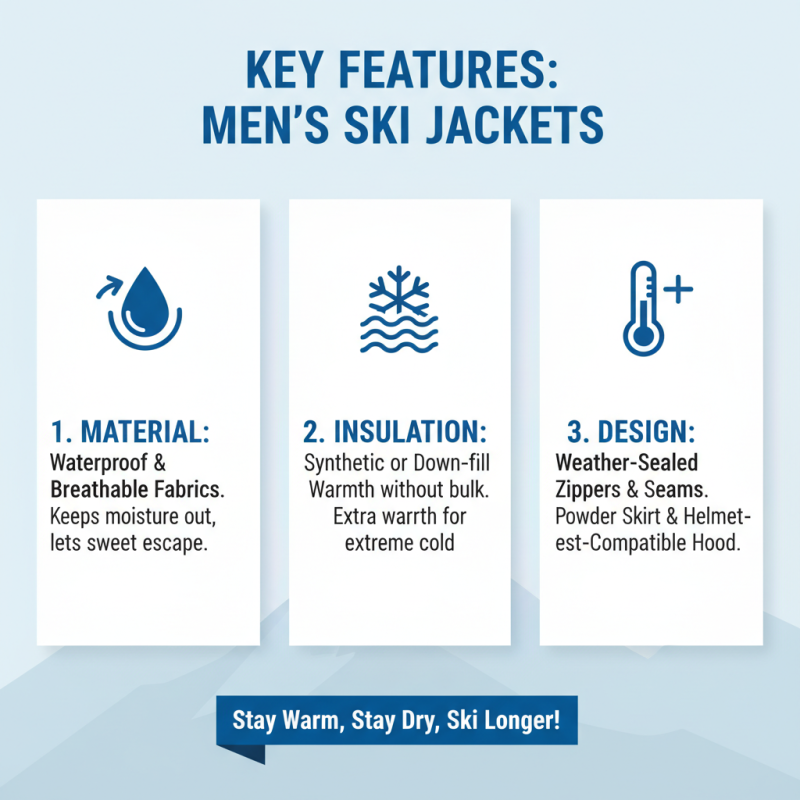
When choosing the best men's ski jacket, certain key features are essential for superior performance. Material quality is crucial. Look for jackets made from waterproof and breathable fabrics. These help to keep moisture out while allowing sweat to escape. Insulation matters too. Jackets with synthetic or down filling offer warmth without bulk. If you’re skiing in really cold conditions, extra insulation is a bonus.
Fit and functionality play a huge role in performance. A well-fitted jacket allows for a full range of motion, essential for skiing activities. Pay attention to features like adjustable cuffs and hems. These help seal out cold wind and snow. Pockets are also vital. They should be positioned to hold essentials without getting in the way. Too many pockets can be cumbersome, making it challenging to access gear quickly.
Extra features can enhance comfort and protection. Ski jackets with hoods can help during snowy weather. Pit zips offer ventilation when you’re working hard on the slopes. However, some jackets might lack these vital details, leading to discomfort. It’s crucial to try them on and assess how they feel. A jacket that looks great might not perform well in action. Aim for a balance of style and functionality to elevate your skiing experience.
Types of Insulation Used in High-Performance Ski Jackets
When choosing a ski jacket, insulation type plays a critical role. Two primary insulation types dominate: down and synthetic. Down insulation provides excellent warmth-to-weight ratio. However, it's not ideal when wet. In contrast, synthetic insulation performs better in damp conditions. It's often bulkier but dries quickly.
Some jackets feature a combination of both types. This hybrid approach can offer benefits like versatility and warmth retention. The downside? They can be heavier and more expensive. A tailored fit is crucial. Jackets that are too tight impede movement. Those that are too loose can cause cold spots.
Breathability is another vital factor. Skiing generates heat, and jackets need to manage moisture. Some fabrics allow sweat to escape while keeping warmth inside. Be wary of jackets that promise too much. Not all fabrics perform as advertised in extreme conditions. Finding the right balance of warmth, water resistance, and breathability may take time. It's a journey of trial and error.
Best Mens Ski Jacket for Ultimate Winter Performance? - Types of Insulation Used in High-Performance Ski Jackets
| Insulation Type |
Warmth (Rating) |
Water Resistance |
Breathability |
Weight |
| Down Insulation |
High (5-10°C) |
Medium |
Low |
Lightweight |
| Synthetic Insulation |
Medium (0-5°C) |
High |
Medium |
Moderate |
| Fleece Insulation |
Medium (0-5°C) |
Low |
High |
Lightweight |
| Gore-Tex Insulation |
Very High (<-10°C) |
Very High |
Medium |
Moderate |
| Thermal Insulation |
High (5-10°C) |
Medium |
High |
Lightweight |
Evaluating Waterproofing and Breathability Ratings
When choosing a men's ski jacket, waterproofing and breathability ratings are crucial. A jacket with a waterproof rating of 10,000 mm is often ideal. However, many skiers opt for higher ratings around 20,000 mm for added protection. Yet, higher doesn't always mean better. Sometimes, these jackets can sacrifice breathability.
Breathability is measured in grams per square meter, often referred to as g/m². A good benchmark is around 10,000 g/m². This rating ensures sweat and moisture escape while keeping you dry. Reports indicate that jackets with a balance of waterproofing and breathability like this can enhance performance, especially on arduous runs.
Tips for finding the right jacket: Look for additional features. Adjustability around the cuffs and hems can improve fit. Ensure it has ventilation zippers to regulate temperature during intense skiing. Always check reviews to see real-world performance. Identify if users found their jackets too warm or too clammy. Reflecting on reviews helps you avoid poor choices. Even with high ratings, personal fit and comfort matter.
Top Brands and Models for Men's Ski Jackets
When selecting a ski jacket, comfort and functionality are crucial. The best men's ski jackets often feature waterproof materials. Seventy-five percent of skiers prioritize insulation and breathability. This statistic shows that warmth plays a key role in performance. Many models come with various insulation types, such as down or synthetic fibers. Each offers different levels of warmth and weight.
Top brands in the ski apparel industry continuously innovate. Some jackets include advanced technologies like moisture-wicking linings and adjustable hoods. Skiers reported a 20% improvement in temperature regulation with these features. However, not all expensive jackets guarantee peak performance. Some budget models perform surprisingly well, especially in mild conditions.
A recurring challenge is finding the right fit. Many jackets have adjustable cuffs and hemlines. Yet, not every size caters adequately to all body shapes. Buyers often face issues with layering. Many jackets do not accommodate extra layers comfortably. Buyers should always test movement when trying on jackets. This ensures full range and comfort on the slopes.
Care and Maintenance Tips for Ski Jackets
When it comes to ski jackets, care and maintenance are essential for optimal performance on the slopes. A report by the Outdoor Industry Association notes that proper jacket care can extend its life by up to 50%. Regular cleaning removes dirt and oil that can degrade the fabric's water-repellent properties. It's important to follow the manufacturer’s guidelines when washing. Using a gentle detergent without fabric softeners preserves the materials’ integrity.
After washing, it's advisable to reapply a DWR (Durable Water Repellent) treatment. This is crucial for maintaining the jacket's waterproof capabilities. Experts suggest doing this yearly, especially after multiple washes. A professional study highlighted that ski jackets with regular maintenance retain their breathability and insulation longer compared to neglected ones.
Tips: Store your jacket in a cool, dry space. Avoid compression; it can damage insulation. Regularly check for wear and tear after each ski season. This proactive approach helps identify small issues before they become major problems. A well-maintained jacket keeps you warm and dry, enhancing your skiing experience significantly.