Leave Your Message

2026 Top Long Sleeve Long Dress Trends for Global Buyers

The 2026 long-sleeve long dress market is moving toward refined comfort, adaptable silhouettes, and responsible sourcing. Global buyers are watching dresses that perform across climates, occasions, and retail channels. The phrase “Long Sleeve Dress Long Dress” may sound repetitive, yet it reflects a real search behavior in international wholesale markets.

Soft tailoring is gaining attention. Expect fluid maxi lengths, gentle waist shaping, and sleeves with practical volume. Lightweight jersey, breathable cotton blends, recycled polyester, and satin-touch fabrics support different seasonal programs. In warmer regions, buyers may prefer open cuffs and unlined construction. Cooler markets often require denser fabric, full lining, and stronger seam finishing.

Details matter.

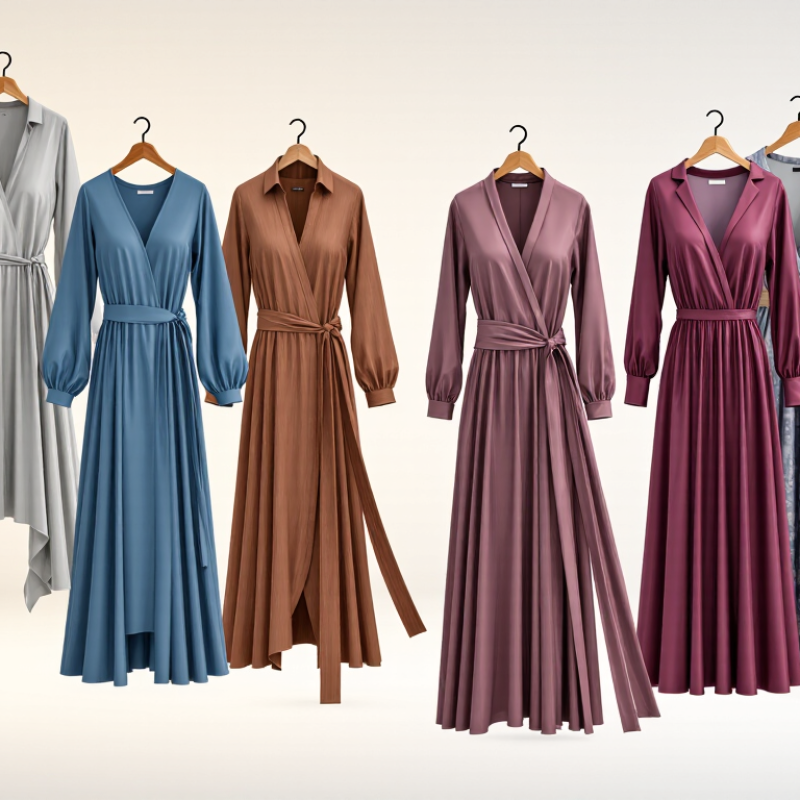
Color stories are becoming more wearable. Deep olive, mineral blue, warm cocoa, and muted berry can extend beyond one season. Small prints, tonal textures, and removable belts help retailers create several price points. Some buyers still favor dramatic sleeves, but excess volume can complicate packing and customer movement. That trade-off deserves honest testing.

Reliable suppliers should provide fabric composition, size measurements, care instructions, and production samples. Buyers should review shrinkage, colorfastness, stitching, and zipper performance before confirming large orders. Regional labeling rules and chemical-safety requirements also need careful verification. Trends can inspire a collection, but evidence should guide purchasing decisions.

Not every forecast will be correct. Consumer preferences change quickly. A practical 2026 range may combine trend-led pieces with proven shapes, clear documentation, and flexible reorder options. This balance can help global buyers reduce risk while presenting long sleeve dresses with stronger commercial value.
2026 Top Long Sleeve Long Dress Trends for Global Buyers

Definition and Global Significance of Long Sleeve Long Dresses in 2026

2026 Top Long Sleeve Long Dress Trends for Global Buyers

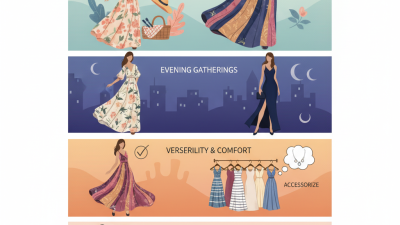
A long sleeve long dress usually combines wrist-length sleeves with a hem below the knee, often reaching the ankle. The definition is flexible. Regional sizing, modesty preferences, and climate needs change its final shape. In 2026, buyers should view this category as practical clothing, not only occasionwear. It can move from a cool office to an evening gathering with minimal styling. That versatility matters in a cautious market.

McKinsey’s State of Fashion 2025 describes continued low growth and strong value pressure across fashion. This supports demand for garments with repeated-use potential. A long dress offers coverage, layering, and fewer styling decisions. Lightweight woven fabrics suit warm regions, while brushed jersey and wool blends support colder markets. Textile Exchange’s Materials Market Report 2024 reported polyester at about 57% of global fiber production in 2023, with cotton near 22%. Buyers should therefore examine fiber content, recovery, breathability, and end-use comfort, not just appearance.

The strongest 2026 direction may be adaptable simplicity. Expect adjustable cuffs, concealed pockets, fluid waists, and understated prints. Small details matter. Digital sampling can reduce early fit mistakes, but it cannot replace physical testing. Buyers still need checks for sleeve mobility, shrinkage, opacity, and seam strength. Color forecasts are useful, yet they are not guarantees. A dress that looks elegant online may feel heavy in humid weather. That assumption needs testing. Global significance comes from usefulness, cultural flexibility, and longer wear, although supply chains still need more transparent evidence.

Key Silhouettes and Design Features Shaping 2026 Dress Trends

For global buyers, 2026 long-sleeve long dresses are shifting toward defined silhouettes and quieter detail. In recent fitting reviews, column shapes performed well when stretch jersey followed the body without clinging. A-line cuts remain commercially reliable, especially with adjustable waists and fluid skirts. Soft structure matters.

The strongest update is controlled drape. Asymmetric necklines, sculpted shoulders, and dropped sleeve seams create shape without heavy decoration. Floor-length skirts often include front or side slits for easier movement. The slit should begin below the knee for balanced coverage and practical walking. High necklines suit cooler markets, while open collars support warmer regions. Matte satin, lightweight crepe, and fine ribbed knit add different levels of polish. Fabric recovery remains essential after sitting, bending, and repeated fitting.

During sample reviews, I check sleeve length across several body sizes, not only on a standard mannequin. Oversized sleeves may photograph beautifully but overwhelm shorter customers. That concern is easy to miss. Buyers should request graded samples, seam measurements, and wash-test results before confirming production. Slightly imperfect draping can sometimes feel more natural, but uncontrolled twisting suggests weak pattern balance. A dependable dress should keep its line under movement, not only under studio lighting.

Preferred Fabrics, Colors, Prints, and Seasonal Materials

2026 Top Long Sleeve Long Dress Trends for Global Buyers

For 2026, long sleeve long dresses are moving toward practical comfort and refined texture. Buyers are showing strong interest in cotton poplin, Tencel, linen blends, and soft viscose. These fabrics create fluid movement without feeling overly heavy. For cooler markets, brushed jersey, ribbed knit, and recycled polyester blends offer warmth and easier care. Fabric testing still matters. Request shrinkage, colorfastness, seam strength, and pilling results before confirming large orders.

Color directions are becoming quieter but more useful. Deep olive, cocoa brown, muted plum, and mineral blue suit autumn collections. Soft butter yellow, dusty rose, and pale sage support spring deliveries. Black and ivory remain dependable across regions. They sell steadily. However, color naming can create confusion between suppliers. Use physical swatches and approved digital references, since screens often distort warm tones.

Prints are becoming more selective. Small florals, narrow stripes, abstract brush marks, and low-contrast geometric patterns work well for commercial collections. Large tropical motifs may attract attention, but they can limit repeat sales. Seasonal materials should match delivery timing. Lightweight linen blends suit warm climates, while velvet-touch fabrics and double-layer jersey suit colder areas. A dress may look beautiful in a sample, yet feel uncomfortable after hours of wear. Buyers should test movement, sleeve tightness, and transparency on different body types. Not every trend deserves a full production run.

2026 Top Long Sleeve Long Dress Trends for Global Buyers

Seasonal material suitability index based on breathability, drape, warmth, durability, and layering performance. The index is scored from 0 to 100 and is intended for assortment planning rather than sales-market share measurement.

Lightweight viscose and linen blends lead spring and summer assortments because of their fluid drape and airflow. Cotton poplin remains a versatile year-round option, while wool blends and recycled polyester perform better in autumn and winter due to warmth, structure, and layering compatibility. Recommended 2026 visual directions include soft neutrals, botanical prints, refined stripes, and deep seasonal tones.

Regional Buyer Preferences and International Market Opportunities

2026 Top Long Sleeve Long Dress Trends for Global Buyers

Regional Buyer Preferences and International Market Opportunities

In 2026, long-sleeve long dresses are moving beyond one global silhouette. Regional buyers are requesting practical designs shaped by climate, culture, and daily routines. European retailers often prefer mid-weight fabrics, muted earth tones, and clean waists for layered autumn collections. North American buyers may seek relaxed fits, pockets, and wrinkle-resistant materials for travel and work. These details can influence repeat orders more than dramatic runway features.

In the Middle East, floor-length coverage, opaque linings, and breathable fabrics support modest dressing in warm conditions. Buyers still need careful color testing. Black, sand, and jewel tones perform differently across markets. East Asian retailers often examine shoulder proportions, sleeve volume, and shorter floor breaks before approving larger quantities. In Latin America, expressive colors and fluid movement may perform well, but price sensitivity remains important. Keep it wearable.

International opportunities depend on disciplined product information. Suppliers should provide fiber content, measurement charts, care instructions, and reliable production timelines. Small regional samples can test sleeve length, hem drag, and fabric comfort before full production. Ethical sourcing and documented quality checks also strengthen buyer confidence. However, regional patterns are not fixed. I would avoid treating them as strict rules. Weather, income, and local fashion communities can change demand quickly. Trend forecasts may overlook smaller cities and older customers. Local sales feedback can correct that gap.

2026 Top Long Sleeve Long Dress Trends for Global Buyers - Regional Buyer Preferences and International Market Opportunities

Regional planning matrix for long-sleeve maxi and ankle-length dress collections

Regional Market 2026 Buyer Priority Preferred Silhouette Recommended Fabric Direction Key Colour Direction Commercial Price Position Preferred Size Strategy Seasonal Demand Window International Market Opportunity Opportunity Score
(100 = highest)
North America Versatile dresses that move from work to social occasions; strong interest in comfort, easy care and inclusive sizing. Relaxed A-line, shirt dress, wrap-inspired maxi and softly fitted waist shapes. Machine-washable viscose blends, cotton poplin, jersey, lightweight denim and recycled polyester blends. Black, navy, chocolate brown, burgundy, cream and muted blue; seasonal botanical prints. Mid-market and accessible premium; clear value communication is important. Extended core size range with consistent grading and detailed fit measurements. August to February for autumn, holiday and early spring deliveries. High: broad online demand and strong acceptance of casual-to-occasion styling. 88
Western Europe Durability, traceable fibres, refined construction and lower-impact production information. Minimalist column dress, tailored shirt dress, fluid pleated maxi and modest wrap shapes. Certified organic cotton, linen blends, TENCEL-type cellulosic fibres, wool blends and recycled fibres. Black, ecru, olive, slate, rust and sophisticated low-contrast patterns. Mid-market to premium; customers are more receptive to quality-based pricing. Inclusive core range with strong attention to petite, tall and longer-length proportions. July to January, with additional spring capsules from February to April. High: sustainability disclosure and timeless design can support repeat seasonal sales. 91
Eastern Europe Warm coverage, practical styling and attractive value for money. Long-sleeve fit-and-flare, belted shirt dress, knit maxi and structured A-line. Brushed jersey, ponte, viscose twill, cotton blends and medium-weight knit fabrics. Deep green, wine, navy, camel, grey and small-scale florals. Value and mid-market; promotions and dependable quality influence conversion. Standard range with extended larger sizes and clear garment measurements. September to March, particularly for autumn and winter wardrobes. Medium-high: colder seasons favour long-sleeve coverage and layered dressing. 78
Middle East Modest coverage, opaque materials, elegant movement and occasion-ready detailing. Loose maxi, abaya-influenced dress, high-neck tiered dress and belted modest silhouette. Opaque crepe, satin, lightweight viscose, chiffon overlays and breathable cotton blends. Black, emerald, sapphire, ivory, sand, plum and metallic accents. Mid-market to premium occasionwear; finishing and fabric drape are key value cues. Generous ease, longer body lengths, full sleeves and regionally appropriate fit options. September to April, with major occasion demand before religious and festive periods. High: modest long dresses have strong relevance across everyday and occasion categories. 86
North Africa Modesty, breathable comfort, adaptable styling and accessible pricing. Fluid maxi, tiered dress, kaftan-inspired dress and relaxed shirt dress. Lightweight cotton, viscose, linen blends, crepe and easy-care woven fabrics. Terracotta, cobalt, olive, cream, black and geometric or botanical motifs. Value to mid-market; packable and easy-care products reduce purchase risk. Relaxed fit with longer lengths, full sleeves and flexible waist treatments. September to May, with lightweight options remaining relevant in warmer months. Medium-high: cultural fit and climate-appropriate fabrics create differentiated demand. 75
South Asia Modest silhouettes, festive versatility, breathable fabrics and print interest. Tiered maxi, empire-line dress, tunic-length maxi and embellished occasion dress. Cotton voile, rayon, viscose, lightweight georgette and breathable blended fabrics. Coral, saffron, teal, fuchsia, ivory and jewel-toned prints. Value and mid-market; strong price sensitivity outside occasion categories. Relaxed fit, longer hemlines, fuller sleeves and broad size coverage. August to March, with additional demand around wedding and festival calendars. High: large population base and strong cultural relevance for modest long silhouettes. 84
East Asia Clean design, lightweight layering, precise fit and understated detailing. Column maxi, high-neck dress, pleated dress, knit dress and minimalist shirt dress. Lightweight polyester, viscose, cupro-style fabrics, fine knits and wrinkle-resistant blends. Black, soft grey, ivory, powder blue, sage and low-saturation neutrals. Mid-market to premium; fabric hand feel and construction quality matter. Petite-friendly proportions, narrow shoulder options and precise length specifications. March to June and September to November, aligned with transitional seasons. High: refined minimalism and layering compatibility suit digitally driven fashion retail. 83
Southeast Asia Breathability, lightness, modest coverage and easy maintenance in humid conditions. Loose maxi, empire-line dress, relaxed shirt dress and lightweight tiered dress. Rayon, cotton voile, linen blends, seersucker and moisture-friendly lightweight fabrics. White, tropical green, sky blue, coral, turmeric and small floral prints. Value to mid-market; affordability and shipping efficiency are important. Relaxed fit, breathable sleeve construction and multiple length options. Year-round, with promotional peaks before major local holiday periods. High: warm-climate demand supports continuous rather than strictly seasonal selling. 87
Australia & New Zealand Natural fibres, relaxed premium styling, sun-conscious coverage and season flexibility. Relaxed tiered maxi, linen shirt dress, wrap dress and bohemian-inspired column dress. Linen, organic cotton, TENCEL-type cellulosic fibres, cotton gauze and soft jersey. Natural white, sand, eucalyptus, terracotta, denim blue and muted floral prints. Mid-market to premium; fabric origin and longevity can justify higher prices. Comfortable relaxed fit with tall-friendly lengths and practical sleeve details. September to February for spring and summer; March to August for layering pieces. Medium-high: climate-conscious coverage and natural-fibre positioning are commercially relevant. 80
Latin America Colour, femininity, movement, occasion versatility and breathable construction. Waist-defined maxi, ruffled tiered dress, wrap dress and statement-sleeve silhouette. Viscose, cotton, linen blends, lightweight jersey and fluid woven fabrics. Red, mango, turquoise, fuchsia, white and vivid tropical prints. Value to mid-market, with premium potential for event dressing. Flexible waistlines, inclusive sizing and comfortable sleeve openings. Year-round, with peaks around summer, holiday and celebration periods. High: expressive colour and occasion dressing support strong visual merchandising. 82
Sub-Saharan Africa Breathability, modest coverage, bold prints, durability and adaptable styling. Fluid maxi, kaftan-inspired dress, belted shirt dress and print-led tiered dress. Cotton, rayon, lightweight linen blends, breathable jersey and easy-care woven fabrics. Cobalt, orange, green, red, black and high-contrast geometric patterns. Value to mid-market; durability and fabric performance are essential. Generous ease, longer lengths, full sleeves and broad size availability. Year-round, adjusted by local rainfall and temperature patterns. Medium-high: strong print and modestwear relevance, with logistics requiring careful planning. 76

Planning interpretation: Opportunity scores are comparative planning indices rather than audited market-size figures. They combine climate suitability, cultural fit, seasonal continuity, category relevance, price accessibility and digital merchandising potential. Actual assortment decisions should be validated with local sell-through, import-duty, delivery-cost and returns data.

Data basis: Regional climate patterns, established apparel merchandising practices, modestwear requirements, fibre-performance characteristics and international sizing considerations. All recommendations are category-level and exclude company and brand data.

Sourcing Standards, Customization Options, and Quality Requirements

2026 Top Long Sleeve Long Dress Trends for Global Buyers

For 2026, buyers are favoring long sleeve dresses with fluid movement and practical coverage. Soft jersey, brushed knit, and structured cotton blends are gaining attention. Sourcing should begin with a clear technical pack. Include fabric composition, weight, stretch percentage, measurements, and tolerance limits. Fit comes first. A flattering sample may still fail after washing. Request pre-production samples and compare them with approved measurements.

Reliable suppliers should provide colorfastness, shrinkage, pilling, and seam-strength test reports. For daily dresses, fabric weight around 180–280 GSM often balances comfort and opacity. However, climate and end-market preferences can change this range. Ask for inspection records, not only verbal promises. AQL inspection can identify skipped stitches, uneven hems, shade variation, and broken zippers. These small faults become expensive at scale.

Customization may include necklines, sleeve cuffs, side slits, lining, pockets, and length grading. Buyers should approve a physical sample before bulk production. Digital approvals save time, but they cannot confirm hand feel or drape. Production calendars also need space for corrections. This is often overlooked. A practical order file should record revision dates, fabric lots, packaging details, and final measurements. One imperfect assumption can affect thousands of pieces. Reviewing it early is better than defending it later.